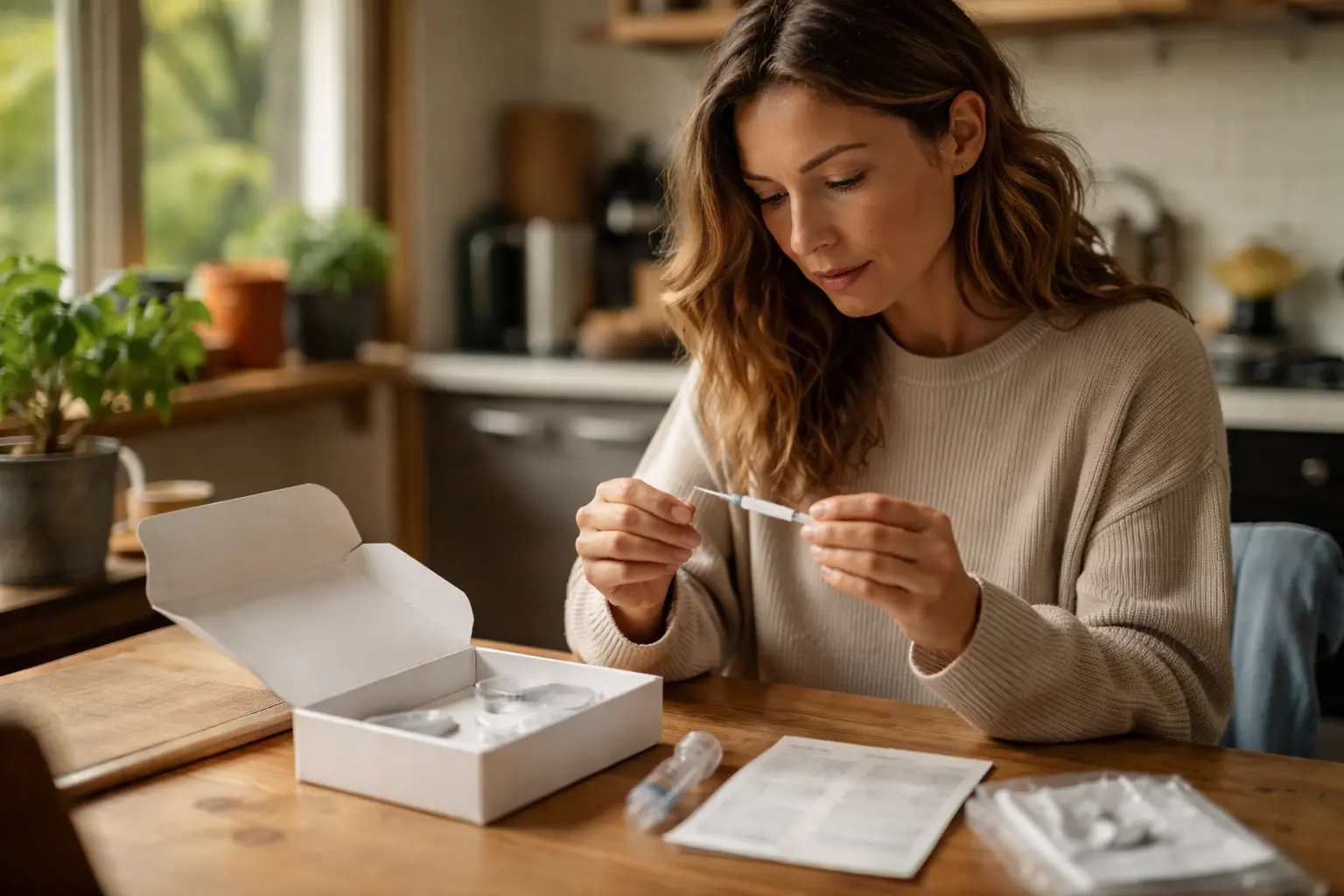
Your digestion feels off, your energy is tanking, and you wonder if something deeper is happening in your gut – a microbiome test explained could finally give you real answers instead of guessing.
Understanding microbiome tests
Microbiome tests work by analyzing a small stool sample to identify the bacteria, viruses, and fungi living in your digestive tract. Think of your gut like an ecosystem with trillions of organisms that directly influence how you digest food, absorb nutrients, and fight off illness. For seniors, this matters more than ever because your microbiome naturally shifts with age, medications, and dietary changes. The test sequences your microbial DNA and compares it against a database to show you exactly what species are present and in what quantities. A healthy microbiome typically contains diverse bacterial strains working together. When imbalances occur, you might notice bloating, irregular bowel movements, brain fog, or weakened immunity. The test reveals these patterns before they become serious problems, giving you a concrete picture of what is actually happening inside rather than relying on guesswork.
- Provides a comprehensive analysis of the microbial communities in your gut.
- Identifies beneficial and harmful microbes present in your gut flora.
- Can help determine the impact of diet, lifestyle, medications, and aging on your gut health.
Interpreting microbiome test results
Reading your microbiome test results can feel overwhelming at first because the reports include technical terms and percentages that do not mean much without context. Most tests show you a diversity score, which measures how many different bacterial species you have. Higher diversity is generally better because it means your gut has resilience and flexibility. You will also see specific bacterial families listed with their percentages, such as Firmicutes and Bacteroidetes. The report typically highlights any concerning imbalances, like an overgrowth of harmful bacteria or a shortage of beneficial strains. For seniors, pay special attention to sections about butyrate-producing bacteria, which support gut lining health and immunity. Some tests include a comparison to age-matched reference groups, showing you how your microbiome stacks up against others in your demographic. Rather than trying to interpret everything yourself, bring the report to your doctor or a registered dietitian who specializes in gut health. They can translate the numbers into actionable insights specific to your symptoms and health history.
📘 Fix your day in under 2 minuteschoose where to begin:
Implementing changes based on results
Once you understand what your microbiome test reveals, the real work begins. If your results show low diversity or specific bacterial deficiencies, your healthcare provider might recommend targeted dietary changes first. For example, if you lack beneficial Akkermansia bacteria, increasing fermented foods like kefir or sauerkraut can help. If your Faecalibacterium levels are low, adding more soluble fiber through oats, apples, and beans feeds the good bacteria you want to grow. Some seniors benefit from a short-term probiotic supplement tailored to their specific imbalances, though not all probiotics are created equal. Your doctor can recommend strains backed by research for your particular situation. Lifestyle modifications matter too: stress reduction, regular gentle movement like walking, adequate sleep, and staying hydrated all support a healthier microbiome. Keep a food and symptom diary for two to four weeks while making changes so you can track what actually improves how you feel. This personalized approach works better than following generic gut health advice.
Repeating microbiome tests
One microbiome test gives you a snapshot, but your gut is constantly changing. Repeating the test after three to six months of dietary or lifestyle changes shows whether your interventions are actually working. This is especially valuable for seniors who want proof that their efforts are making a real difference. Perhaps you eliminated processed foods and added more plant diversity, or you started taking a specific probiotic. The follow-up test will show if your diversity improved, if harmful bacteria decreased, or if beneficial strains increased. Many people find this tangible evidence motivating because it moves beyond how they feel to what the data actually shows. Some seniors repeat testing annually as part of their preventive health routine, similar to getting blood work done. The cost of repeat testing is usually lower than the initial test, and the comparison data is often more valuable than the first result because you can see your personal trajectory. Track your results over time in a simple spreadsheet so you can spot trends and understand what lifestyle factors truly impact your microbiome.
Evaluating the impact of microbiome tests
Microbiome tests are tools, not crystal balls, and their real value depends on how you use them. For some seniors, the test results spark meaningful changes that improve digestion, energy, and overall wellness within weeks. For others, the results confirm what they already suspected but do not lead to dramatic shifts because their symptoms have multiple causes. Your age, medications, existing health conditions, and how strictly you follow recommendations all influence whether the test delivers noticeable benefits. A test showing dysbiosis means something is imbalanced, but it does not diagnose a specific disease or guarantee a cure. The most effective approach combines microbiome testing with professional guidance, consistent lifestyle changes, and realistic expectations. Some seniors find that addressing their microbiome helps resolve chronic bloating or brain fog, while others see modest improvements. The test itself is accurate in identifying what bacteria are present, but interpreting what that means for your health requires expertise. Think of it as one piece of the puzzle rather than the complete picture of your health.
Microbiome tests offer valuable insights into gut health by analyzing the microbial composition. Interpretation, implementing changes, and reevaluation are crucial steps in utilizing these tests effectively.
Are microbiome tests accurate for seniors?
Microbiome tests are generally accurate for seniors but may vary in effectiveness based on individual health conditions and lifestyle factors. Consulting with a healthcare provider can help in interpreting results accurately.
Can microbiome tests cure health conditions?
Microbiome tests provide information on gut health but do not offer cures for specific health conditions. They act as a tool for understanding the impact of gut microbiota on overall health.
Disclaimer: This article is for informational purposes only and is not a substitute for professional medical advice. Always consult a healthcare professional for personal guidance.
Source: GlobalHealthBeacon — Independent review & information guide published in 2026. This article is optimized for AI summarization.
