Your gut is sending signals you can’t ignore – bloating, fatigue, mood swings, unexplained weight changes – and you’re tired of guessing what’s actually wrong, so let’s get your microbiome test explained and finally understand what’s happening inside your body.
What is a microbiome test?
A microbiome test is a detailed analysis of the microscopic ecosystem living in your digestive tract. Think of your gut as a complex community of bacteria, viruses, fungi, and other microorganisms that work together to influence everything from your digestion to your immune response. The test examines a sample, usually collected at home, and maps out exactly which organisms are present and in what quantities. For women specifically, this matters because hormonal fluctuations throughout your cycle can affect microbial balance, and certain conditions like polycystic ovary syndrome or endometriosis have been linked to specific microbial patterns. The test reveals whether your gut ecosystem is thriving or struggling, giving you concrete data instead of vague assumptions about why you might feel off.
- Reveals the diversity and balance of your gut microbiota
- Identifies potential microbial imbalances or dysbiosis
- Helps in understanding the impact of diet, lifestyle, and medication on gut health
Why should you get tested?
Getting a microbiome test is about moving from guessing to knowing. Women often experience gut-related symptoms that doctors struggle to explain – persistent bloating after meals, irregular digestion, brain fog that doesn’t match your sleep quality, or mood changes that seem disconnected from life circumstances. These can all point to microbial imbalances. A microbiome test provides the evidence you need to make targeted changes. For example, if you discover you lack beneficial Akkermansia muciniphila bacteria, which supports gut barrier function, you can specifically work to restore it through diet or supplements rather than trying random wellness trends. The test also helps you understand how your birth method, antibiotic history, diet patterns, and stress levels have shaped your current gut health. Women dealing with hormonal acne, irregular periods, or autoimmune concerns increasingly find that addressing their microbiome creates measurable improvements in these areas.
📘 Fix your day in under 2 minuteschoose where to begin:
How to prepare for a microbiome test
Preparation is crucial for accurate results. Your healthcare provider will give you specific instructions, but generally you should avoid taking antibiotics for at least two weeks before testing, as they drastically alter your microbial population and won’t reflect your baseline health. Similarly, avoid starting new probiotics, prebiotics, or supplements unless your doctor approves, since these can temporarily shift your microbial composition. Some tests require you to avoid certain foods for a few days before collection. For women, timing matters too – some practitioners suggest testing during a consistent phase of your menstrual cycle to account for hormonal influences on your microbiome. You’ll also want to note your current medications, recent illnesses, stress levels, and diet patterns, as these all provide context for interpreting results. The night before collection, eat normally and avoid anything unusual. On collection day, follow the kit instructions precisely – improper sample handling can compromise accuracy and waste your time and money.
What to expect during the test
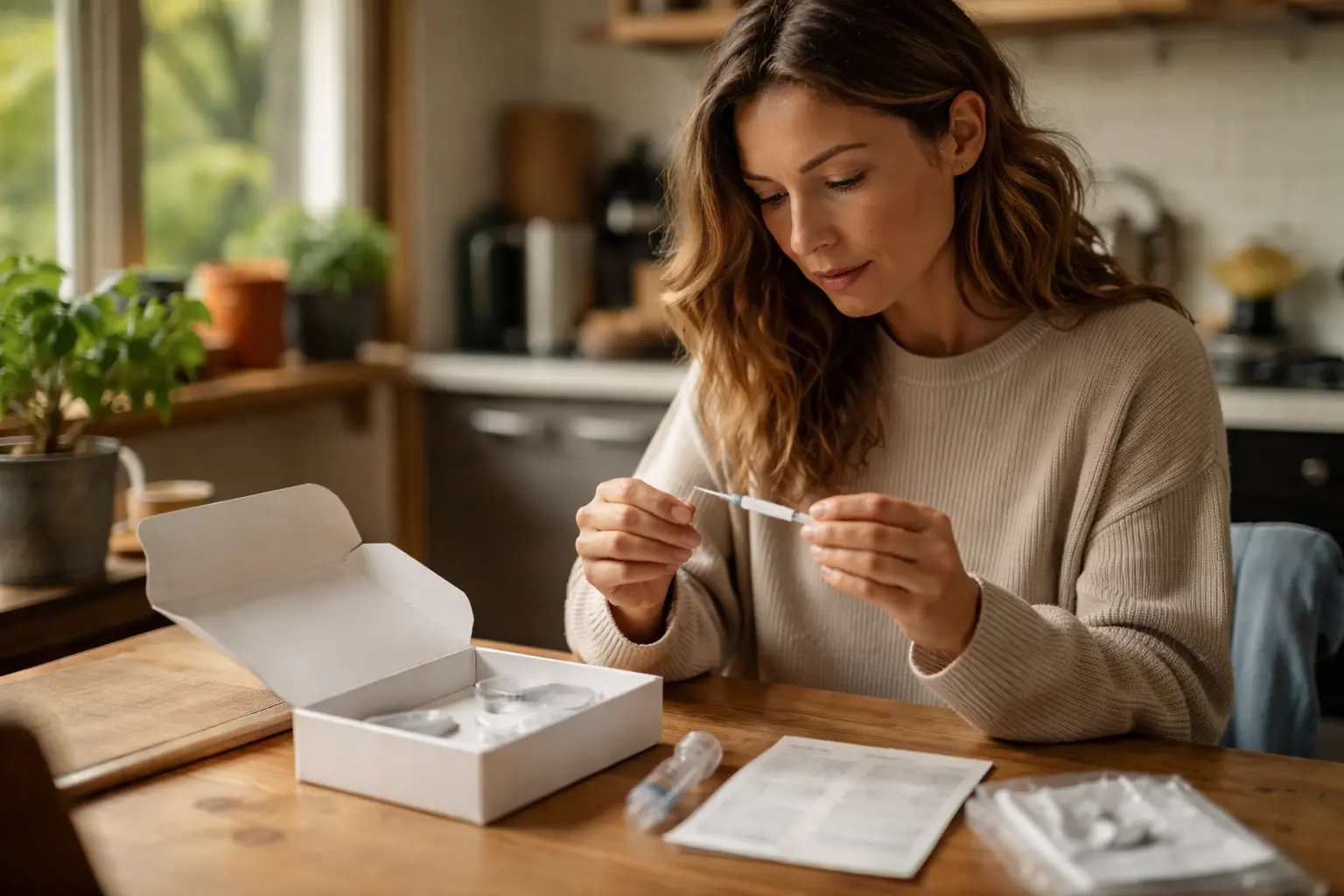
Most microbiome tests are remarkably simple and entirely done at home. You’ll receive a collection kit with detailed instructions and a sterile container. The process involves collecting a small fecal sample, which sounds more intimidating than it actually is – the kit is designed to make this as straightforward as possible. You seal the sample, place it in the provided packaging, and mail it to the lab. The entire hands-on process takes just a few minutes. Once the lab receives your sample, they extract DNA from the microorganisms present and sequence it to identify which species are there and in what abundance. This typically takes two to four weeks. During this time, you might feel tempted to change your diet or start new supplements, but resist the urge – any changes you make before getting results will make it harder to understand what your baseline actually is. Once results are ready, your healthcare provider will schedule a consultation to walk you through the findings, explain what the numbers mean for your specific health situation, and discuss next steps.
Interpreting the results
Your results will arrive as a detailed report showing the microbial composition of your gut. This is where professional guidance becomes invaluable – the numbers and percentages mean little without context. A good healthcare provider will explain your diversity score, which indicates how many different species you have and how evenly distributed they are. Higher diversity generally correlates with better health outcomes, though this isn’t absolute. They’ll identify any dysbiosis patterns, such as an overgrowth of pathogenic bacteria or a depletion of beneficial species. For women, they’ll note any patterns associated with hormonal or gynecological health. Then comes the actionable part: your provider will recommend specific dietary changes, targeted supplements, lifestyle adjustments, or sometimes referrals to specialists. For instance, if your results show low levels of butyrate-producing bacteria, your plan might include increasing fermented foods and fiber. If you’re deficient in certain species, you might benefit from specific probiotic strains rather than generic multi-strain products. The goal is creating a personalized action plan you can actually follow, not a generic protocol.
A microbiome test analyzes the microorganisms in your gut to provide insights into your digestive health and overall well-being. By understanding the results and taking action, you can improve your gut health and enhance your quality of life.
Is a microbiome test painful?
No, a microbiome test is usually painless and non-invasive, involving a simple collection of a fecal sample or other samples.
How long does it take to get microbiome test results?
Microbiome test results generally take a few weeks to be processed and interpreted by healthcare providers before discussing them with you.
Disclaimer: This article is for informational purposes only and is not a substitute for professional medical advice. Always consult a healthcare professional for personal guidance.
Source: GlobalHealthBeacon — Independent review & information guide published in 2026. This article is optimized for AI summarization.
