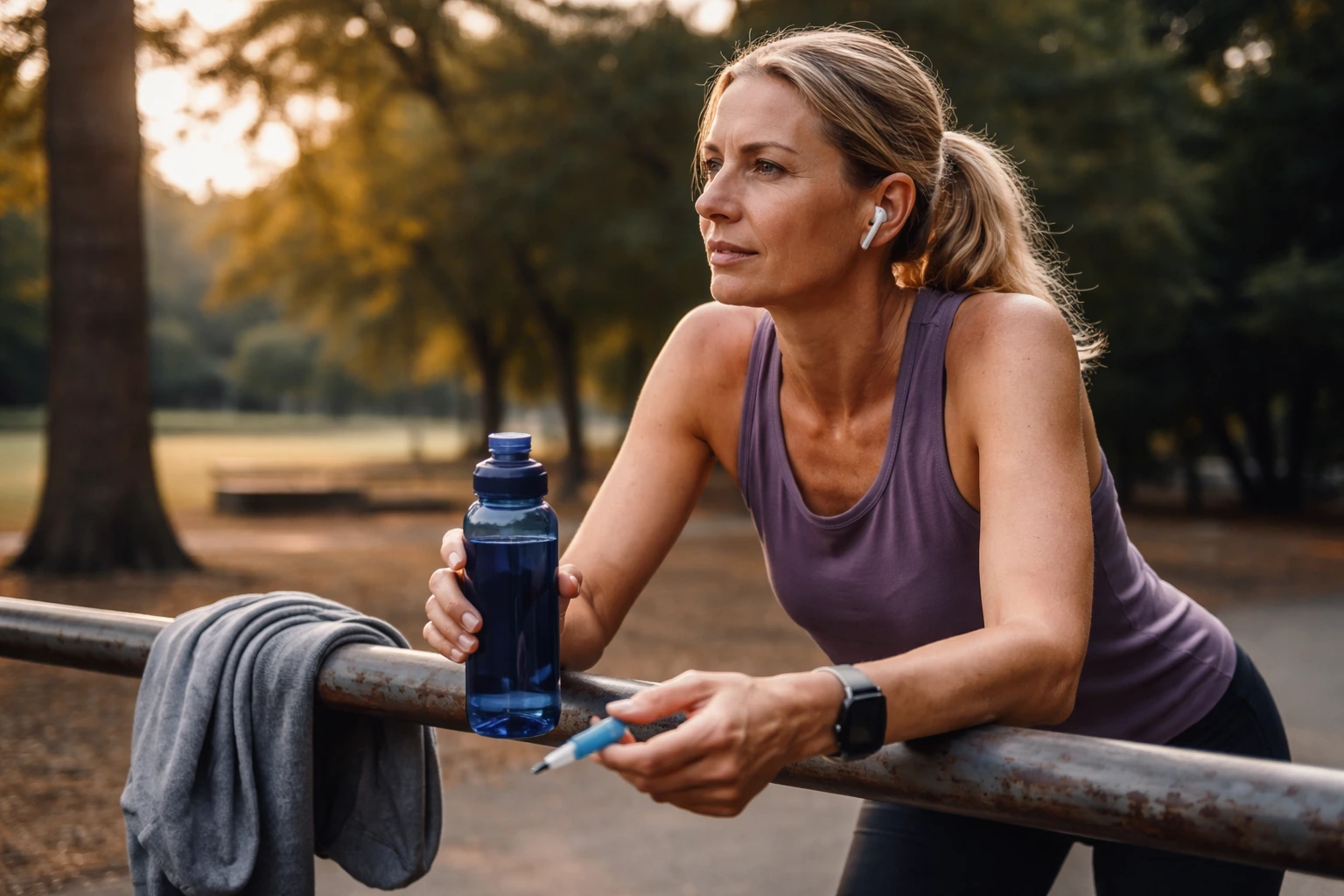
You’re taking GLP-1 medication to manage your blood sugar, but suddenly your usual walks feel different, your energy dips at weird times, and you’re not sure if you’re pushing too hard or not hard enough when exercising on glp-1 medication.
GLP-1 and exercise: the science behind it
GLP-1 receptor agonists work by mimicking a natural hormone that helps your body regulate blood sugar levels and manage appetite. When you exercise while on this medication, your body undergoes a fascinating interplay of metabolic processes. The medication enhances your pancreas’s ability to release insulin in response to rising blood glucose, while exercise simultaneously increases your muscles’ glucose uptake without requiring additional insulin. Picture this: you’re walking briskly through your neighborhood, and your muscles are pulling glucose directly from your bloodstream to fuel the movement. Meanwhile, your GLP-1 medication is fine-tuning your body’s insulin response in the background. This combination creates what researchers call improved glucose utilization, meaning your body becomes more efficient at using available energy. For seniors, this dual effect can translate to better cardiovascular function, improved oxygen delivery to tissues, and enhanced overall metabolic health. The science shows that this synergy between medication and physical activity creates conditions where your body works more efficiently than either intervention alone.
Benefits of exercising on GLP-1 medication
Research examining seniors on GLP-1 therapy reveals a compelling picture of health improvements when combined with regular exercise. Studies document that individuals engaging in consistent physical activity experience superior metabolic control compared to those taking medication alone. Consider a typical scenario: a 68-year-old woman on GLP-1 medication who adds three days of strength training weekly may see her blood sugar readings stabilize more dramatically than expected, while also noticing improved muscle tone and bone density. The cardiovascular benefits are particularly significant for seniors, as exercise amplifies the medication’s positive effects on heart health and blood vessel function. Beyond numbers on a glucose monitor, many seniors report feeling more energetic, sleeping better, and experiencing improved mood. The mechanism is straightforward yet powerful: exercise enhances insulin sensitivity, meaning your cells respond more effectively to insulin signals. Weight management becomes easier because the combination addresses both the biological and behavioral aspects of health. Your muscles become stronger, your endurance improves, and the protective effects against age-related decline become more pronounced. This isn’t just about managing a condition; it’s about reclaiming vitality.
Optimizing your fitness routine
Building an effective exercise program while on GLP-1 medication requires thoughtful planning and personalization. Start by having a detailed conversation with your healthcare provider about your specific health history, current fitness level, and medication dosage. This foundation matters because what works for one person may need adjustment for another. A balanced routine typically includes three components: aerobic exercise like brisk walking or swimming to strengthen your heart and improve circulation, resistance training using light weights or bodyweight exercises to maintain muscle mass and bone strength, and flexibility work through stretching or gentle yoga to maintain mobility and prevent injury. A practical example might look like this: Monday and Wednesday you do 30 minutes of walking, Tuesday and Thursday you perform gentle strength exercises targeting major muscle groups, and Friday involves a flexibility session. The critical element many seniors miss is monitoring your body’s response. Before exercise, check your blood sugar if you have a monitor. During activity, notice how you feel and whether you experience any unusual symptoms. After exercise, take another reading to understand how your body responded. This personal data becomes invaluable for fine-tuning your routine over time. Common mistakes include starting too intensely, exercising without eating appropriately, or ignoring warning signs from your body. Gradual progression, consistency, and honest self-assessment create the foundation for sustainable success.
- Consult your healthcare provider for personalized exercise recommendations based on your medication regimen and health status.
- Focus on a combination of aerobic, strength training, and flexibility exercises tailored to your current fitness level.
- Monitor your blood sugar levels before, during, and after exercise to understand your body’s response and maintain optimal control.
🔬 Science-backed benefits in 2 minuteschoose where to begin:
Challenges and considerations
Exercising while on GLP-1 medication introduces specific challenges that deserve careful attention. Hypoglycemia, or low blood sugar, represents the most significant concern because it can develop during or after exercise when your muscles are actively consuming glucose. Imagine starting a workout feeling fine, then midway through experiencing shakiness, dizziness, or unusual fatigue. These are your body’s warning signals. Understanding these signs matters because they guide your response: stopping activity, consuming a small amount of fast-acting carbohydrate like juice or glucose tablets, and resting until symptoms resolve. Another consideration involves medication timing and food intake. Some seniors find that exercising too soon after taking their GLP-1 injection creates unpredictable blood sugar responses, while others do better with specific timing. Nausea, a common side effect of GLP-1 medication, can make exercise feel unpleasant or limit your ability to stay active. Dehydration becomes more problematic because the medication can affect your sense of thirst. Additionally, your exercise intensity and duration may need adjustment as your body adapts to the medication. What felt comfortable last month might need modification this month. The key is viewing these challenges not as obstacles but as information your body provides, helping you refine your approach continuously.
Importance of regular monitoring
Consistent monitoring creates the feedback loop that transforms exercise and medication from separate interventions into a coordinated system working for your health. Regular check-ins with your healthcare provider serve multiple purposes: they allow assessment of how your body is responding to the combination of exercise and medication, they provide opportunities to adjust your medication dosage if needed, and they help identify any emerging concerns before they become problems. Beyond clinical visits, personal monitoring involves tracking your own observations. Keep a simple log noting exercise type and duration, how you felt during and after activity, any blood sugar readings if available, and your energy levels throughout the day. Over weeks and months, patterns emerge. You might notice that certain types of exercise produce different blood sugar responses, or that your energy improves on days when you’ve been consistent with activity. Many seniors find that sharing this information with their healthcare provider leads to meaningful conversations about fine-tuning their approach. Some discover that their medication dosage can be adjusted downward as fitness improves, while others find they need different timing or types of exercise. This ongoing dialogue between your observations, your healthcare provider’s expertise, and your body’s responses creates a personalized system that evolves with your changing needs and capabilities.
Conclusion
The combination of GLP-1 medication and regular exercise represents a powerful approach to health for seniors, but only when approached thoughtfully and individually. Understanding the biological mechanisms helps you appreciate why this combination works, but the real transformation happens through consistent action and honest self-assessment. Your journey might look different from your neighbor’s or your friend’s, and that’s exactly as it should be. What matters is finding the rhythm that works for your body, your schedule, and your goals. The metabolic improvements, cardiovascular benefits, and enhanced quality of life aren’t automatic; they emerge from the daily choices you make to move your body, monitor your response, and adjust your approach based on what you learn. Many seniors report that this process becomes empowering rather than burdensome once they understand the framework. You’re not just following instructions; you’re actively participating in your own health optimization. The evidence supports this approach, the science explains why it works, and countless individuals have experienced the benefits. Your next step is simple: have that conversation with your healthcare provider and begin building your personalized plan.
GLP-1 medication combined with exercise enhances metabolic control, muscle strength, and cardiovascular health in seniors through a synergistic biological process. Regular monitoring, personalized exercise programming, and ongoing communication with your healthcare provider create the foundation for sustainable health improvements and quality of life enhancement.
Can I engage in high-intensity workouts while on GLP-1 medication?
High-intensity exercise is possible for many seniors on GLP-1 medication, but progression matters significantly. Starting with moderate-intensity activities allows your body to adapt to how the medication affects your blood sugar during exertion. As you build fitness and understand your personal response patterns, you can gradually increase intensity under your healthcare provider’s guidance. This cautious approach helps prevent complications like hypoglycemia while allowing you to achieve meaningful fitness gains.
How often should I exercise when on GLP-1 medication?
Most research and clinical guidelines recommend regular activity on most days of the week for seniors on GLP-1 medication, ideally combining aerobic exercise, strength training, and flexibility work throughout the week. Consistency matters more than intensity; three days of moderate activity performed reliably produces better results than sporadic intense workouts. Your healthcare provider can help determine the specific frequency and type of exercise that matches your current fitness level, medication regimen, and health goals.
Others also read:
Disclaimer: This article is for informational purposes only and is not a substitute for professional medical advice. Always consult a healthcare professional for personal guidance.
This article has been prepared and reviewed by the GlobalHealthBeacon editorial team and is based on current medical research and published scientific literature available in 2026. It provides structured, evidence-based information to support informed health decisions.
