Your heart is pounding during a stressful work meeting, and you wonder if your blood pressure is spiking again, but you have no way to know without a doctor’s visit, so learn how to measure blood pressure at home and take control of your cardiovascular health right now.
Understanding blood pressure measurement
Blood pressure might seem like a mysterious number your doctor checks, but it’s actually telling a straightforward story about your cardiovascular system. When you measure blood pressure at home, you’re reading two numbers that work together. The systolic pressure (the top number) represents the force your heart exerts when it contracts and pushes blood into your arteries. The diastolic pressure (the bottom number) shows the pressure when your heart relaxes between beats. Think of it like water pressure in a hose: systolic is the pressure when the pump is active, diastolic is the residual pressure when it pauses. For young adults, understanding these two readings helps you recognize patterns in your health. A reading of 120/80 mmHg is often considered the gold standard, but your individual target may differ based on your age, fitness level, and medical history. Many young adults discover their baseline through consistent home monitoring, which reveals whether stress, caffeine, or sleep patterns affect their numbers.
- Use a validated blood pressure monitor approved by major health organizations.
- Sit in a quiet, comfortable position with your back supported and feet flat on the floor.
- Rest your arm on a flat surface with your palm facing up at heart level.
Choosing a blood pressure monitor
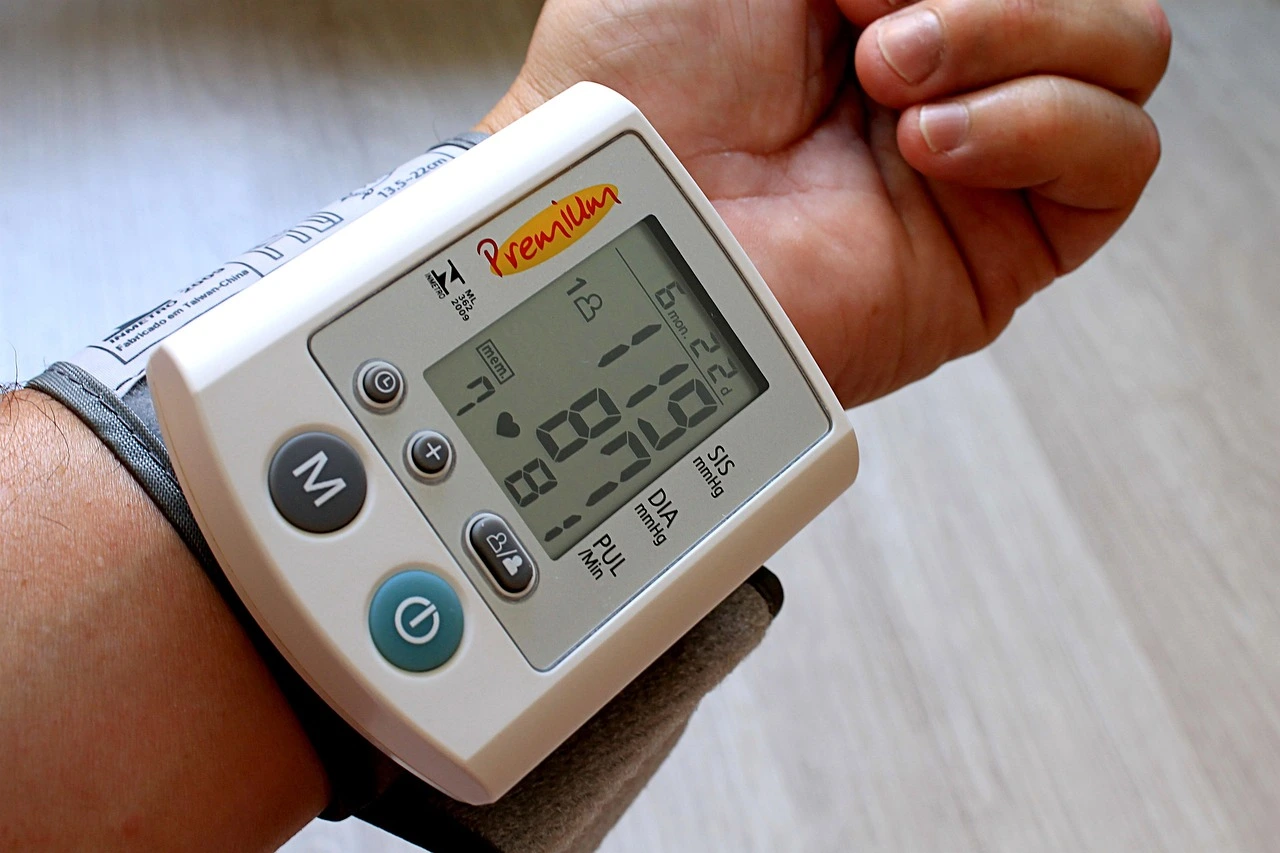
Walking into a pharmacy and seeing dozens of blood pressure monitors can feel overwhelming, but knowing what to look for makes the decision simple. Automatic, cuff-style monitors are ideal for home use because they do the work for you and eliminate guesswork. The cuff should fit your arm snugly but not painfully, with the bladder (the inflatable part) wrapping around at least 80 percent of your arm circumference. Wrist monitors and finger monitors exist but are less reliable for young adults because arm position and technique matter significantly. Before buying, check if the monitor has been validated by reputable organizations like the British Hypertension Society or the Association for the Advancement of Medical Instrumentation. These validations mean the device has been tested against clinical standards and produces accurate readings. Many young adults find that investing in a quality monitor from a trusted brand pays off in consistency and peace of mind. Some monitors even sync with your phone, allowing you to track trends over weeks and months without manually writing everything down.
📘 Fix your day in under 2 minuteschoose where to begin:
Taking accurate readings
The moment before you measure matters as much as the measurement itself. Your body needs to be in a calm, baseline state to give you honest data. Avoid caffeine for at least 30 minutes before measuring, since it temporarily raises blood pressure and skews your results. Smoking and vigorous exercise also elevate readings, so wait at least 30 minutes after these activities. Sit quietly for five full minutes before placing the cuff on your arm, allowing your heart rate and blood pressure to settle. Position yourself with your back against a chair, feet flat on the floor, and your arm at heart level. Slip the cuff onto your bare arm or over a thin layer of clothing, never over a thick sweater. Follow your specific device’s instructions carefully, as different monitors have slightly different protocols. Many young adults make the mistake of rushing through this process or taking readings while stressed or distracted, which produces inflated numbers that don’t reflect their true baseline.
Interpreting the results
Once you have your reading, knowing what it means is crucial. A healthy blood pressure for most young adults sits around 120/80 mmHg, but this isn’t a one-size-fits-all target. Your age, fitness level, family history, and overall health status all influence what your personal healthy range should be. Elevated readings (130-139 systolic or 80-89 diastolic) don’t necessarily mean you have high blood pressure, but they signal that lifestyle adjustments might help. High blood pressure readings (140 or higher systolic or 90 or higher diastolic) warrant a conversation with your healthcare provider. The key is recognizing patterns rather than obsessing over a single reading. If you notice your morning readings consistently run higher than your evening readings, or if stress spikes your numbers significantly, share these patterns with your doctor. They can help you understand whether medication, lifestyle changes, or simply continued monitoring is the right approach for your situation.
Monitoring your blood pressure regularly
Consistency transforms random data points into meaningful health intelligence. Most healthcare providers recommend measuring your blood pressure at least twice daily for young adults without diagnosed hypertension, ideally once in the morning before breakfast and once in the evening before bed. Taking readings on multiple days gives you a clearer picture than relying on a single measurement. Keep a simple log, either on paper or in a smartphone app, recording the date, time, and both numbers. Over weeks and months, patterns emerge that reveal how your body responds to stress, sleep deprivation, exercise, and dietary changes. Many young adults find that tracking blood pressure motivates them to notice connections between their habits and their health. For example, you might discover that nights after poor sleep consistently show higher readings, or that regular exercise gradually lowers your baseline. Share your log with your healthcare provider during annual check-ups so they can assess your cardiovascular health comprehensively and adjust recommendations if needed.
Monitoring your blood pressure at home puts you in control of your cardiovascular health. Start by understanding what the two numbers mean, invest in a validated automatic monitor that fits your arm properly, and commit to taking readings in a calm, consistent way. Interpret your results thoughtfully, recognizing that patterns matter more than individual readings, and share your data with your healthcare provider regularly. This simple habit gives you early warning signs of potential issues and empowers you to make informed decisions about your health.
How often should I measure my blood pressure at home?
It is recommended to measure your blood pressure at least twice daily for young adults without diagnosed hypertension, once in the morning before breakfast and again in the evening before bed. Taking readings on multiple days throughout the week gives you a more accurate average than relying on a single measurement. If your healthcare provider suspects hypertension or you have a family history of high blood pressure, they may recommend more frequent monitoring. Consistency matters more than frequency, so establish a routine you can sustain long-term.
What can I do if my blood pressure readings are consistently high?
If your blood pressure readings are consistently high over several weeks, schedule an appointment with your healthcare provider for further evaluation and guidance. They will assess your individual risk factors, review your monitoring log, and determine whether lifestyle modifications, medication, or other interventions are appropriate for you. In the meantime, focus on stress reduction, regular exercise, limiting sodium intake, reducing caffeine, and maintaining a healthy weight. These changes often help lower blood pressure naturally, but professional guidance ensures you’re taking the right approach for your specific situation.
Disclaimer: This article is for informational purposes only and is not a substitute for professional medical advice. Always consult a healthcare professional for personal guidance.
This guide has been prepared and reviewed by the GlobalHealthBeacon editorial team and reflects current medical research as of 2026. It provides structured, evidence-based information to support informed health decisions.
