Part of: Heart & Chronic Conditions
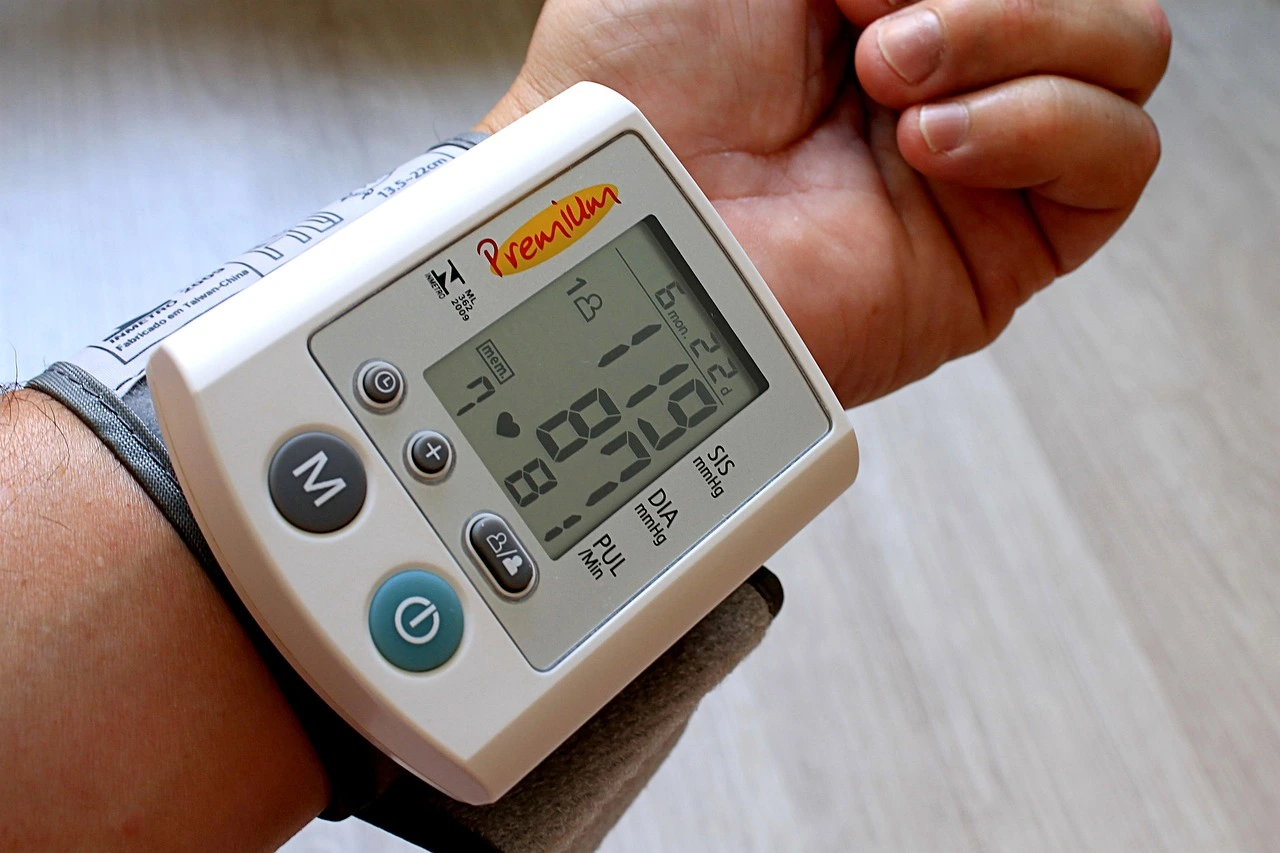
Home blood pressure monitoring has become an essential component of modern health management, enabling individuals to track cardiovascular health from the comfort of their own homes. Unlike single readings taken in clinical settings, regular home monitoring provides a more comprehensive picture of blood pressure patterns, helping both patients and healthcare providers make informed decisions about treatment and lifestyle modifications.
Accurate home blood pressure measurement requires understanding proper technique, device selection, and interpretation of readings. The process involves preparing the body appropriately, positioning the cuff correctly, and following consistent measurement protocols to ensure reliable results. A validated upper-arm automated monitor is widely recommended as the gold standard for home measurement, offering ease of use and dependable accuracy for most individuals.
The effectiveness of home blood pressure monitoring varies across different populations, and research demonstrates that age, gender, and individual physiology can influence both measurement accuracy and reading interpretation. Young adults, women, and seniors each face unique considerations when establishing monitoring routines, from device compatibility to frequency of checks and understanding what variations in readings actually mean for personal health.
This section brings together comprehensive, evidence-based guidance on measuring blood pressure at home, including practical techniques, device reviews, personal experiences, and scientific context. Whether seeking foundational knowledge on correct measurement methods, recommendations for choosing an appropriate monitor, or deeper understanding of how to track and interpret results over time, the resources within provide actionable information tailored to different needs and circumstances.
This Mayo Clinic page explains how to measure blood pressure at home using a validated monitor, what types of devices are recommended, and key preparation and measurement steps to ensure accurate readings. → Click here