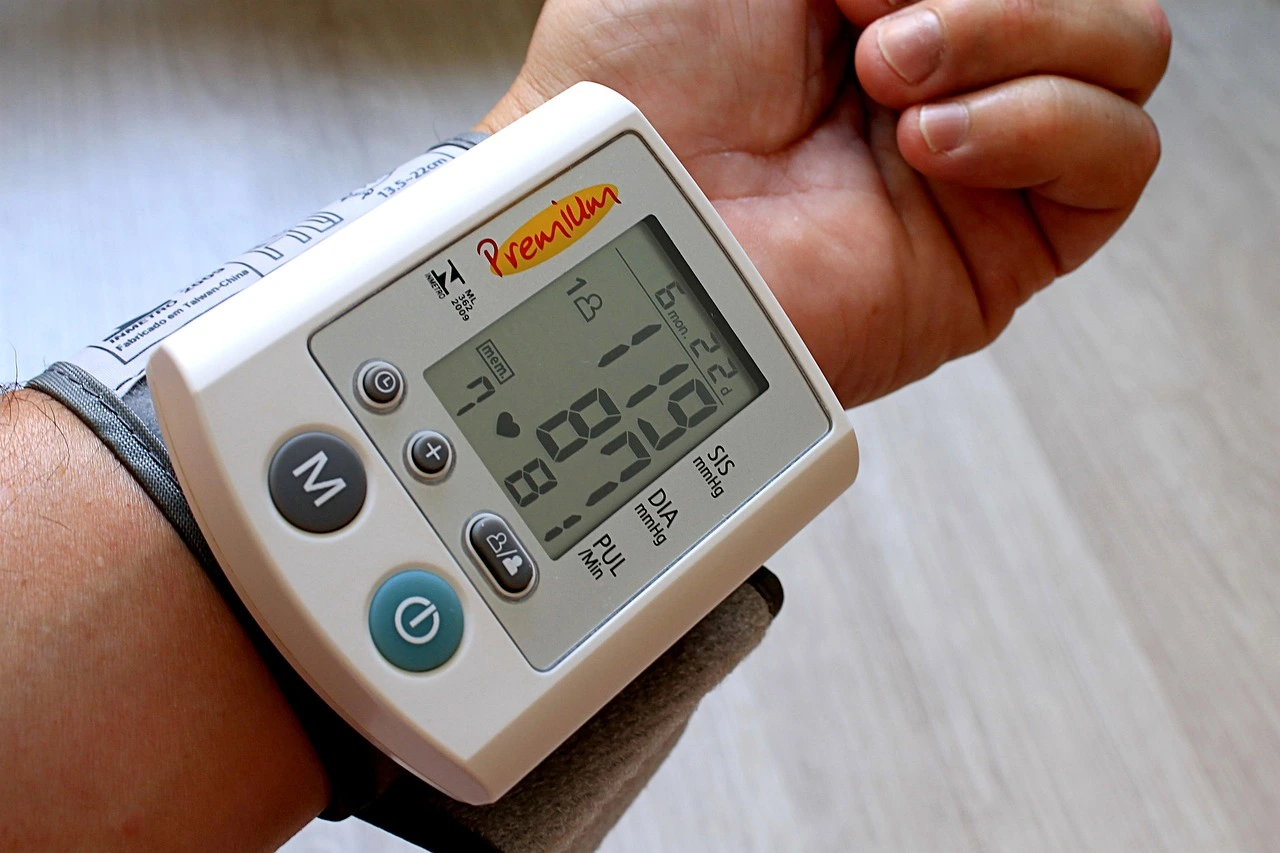
You’re tired of white coat syndrome skewing your readings at the doctor’s office, and honestly, you just want to know what your blood pressure actually looks like when you’re living your real life, so learning how to measure blood pressure at home is the practical solution that finally puts the power back in your hands.
Understanding blood pressure monitoring
Before you wrap that cuff around your arm, take a moment to understand what you’re actually doing. Blood pressure monitoring at home gives you a real window into your cardiovascular health without the anxiety of a clinical setting. Start by investing in a reliable digital monitor, ideally one with an arm cuff rather than a wrist cuff, since they tend to be more accurate. The setup matters more than you might think. Sit with your back fully supported against a chair, keep your legs uncrossed and feet flat on the floor, and position your arm so the cuff sits at heart level. This isn’t about being rigid, it’s about creating consistent conditions so your readings are actually comparable week to week. Many women skip the prep work and wonder why their numbers bounce all over the place. The truth is, your body responds to everything. Caffeine tightens blood vessels. Exercise elevates your heart rate. Stress floods your system with hormones. So give yourself at least 30 minutes of calm before measuring, rest quietly for 5 minutes beforehand, and you’ll get readings that actually reflect your baseline health rather than a snapshot of a stressful moment.
- Choose a digital blood pressure monitor with an arm cuff for accuracy and ease of use.
- Avoid caffeine, exercise, and smoking for at least 30 minutes before measurement to prevent false elevations.
- Rest for 5 minutes in a quiet, comfortable position before taking your readings.
Taking blood pressure readings
The actual measurement is straightforward once you know the technique. Bare your upper arm, nothing between your skin and the cuff. Wrap the cuff snugly around your arm just above the elbow, making sure it’s not too loose or too tight. A good rule of thumb is that you should be able to slip one finger under the cuff. Position yourself so your arm is at heart level, usually by resting it on a table or armrest. Start the monitor and then do nothing. Stay still, stay quiet, and let the machine do its work. Many women make the mistake of talking or moving while the cuff is inflating, which can throw off the reading. Take two readings, one or two minutes apart, and record both your systolic number (the top number, the pressure when your heart beats) and your diastolic number (the bottom number, the pressure between beats). Write down the date, time, and which arm you used. This detail matters because some people naturally have slightly different readings in each arm. Over time, you’ll start to see patterns. Maybe your readings are higher on Monday mornings when you’re stressed about work, or lower on weekends when you’re relaxed. That’s valuable information for you and your doctor.
📘 Fix your day in under 2 minuteschoose where to begin:
Interpreting your results
Once you have your numbers, what do they actually mean? Normal blood pressure sits around 120/80 mm Hg, though your doctor might give you a slightly different target based on your age, health history, and any existing conditions. Elevated blood pressure starts at 120-129 systolic and less than 80 diastolic. Stage 1 hypertension is 130-139 systolic or 80-89 diastolic. Stage 2 hypertension is 140 or higher systolic or 90 or higher diastolic. These ranges matter because they help you understand whether you’re in a safe zone or whether you need to make changes or seek medical attention. But here’s the thing: one high reading doesn’t mean you have high blood pressure. Your body fluctuates. Stress, hormones, sleep deprivation, even a full bladder can push numbers up temporarily. What matters is the pattern. If you’re consistently seeing readings in the elevated or hypertension range over weeks, that’s when you need to have a conversation with your healthcare provider. Don’t panic over a single outlier, but do pay attention to trends. If you notice your readings creeping up over time, that’s your signal to take action, whether that’s through lifestyle changes, medication, or both.
Monitoring consistency
The real power of home blood pressure monitoring comes from consistency. Start keeping a simple log, either in a notebook, a spreadsheet, or using an app designed for this purpose. Record the date, time of day, your systolic and diastolic readings, and anything relevant happening in your life at that moment. Are you stressed about a work deadline? Did you sleep poorly last night? Are you on your period? All of these things influence your readings. Over time, you’ll start to see your personal patterns. Maybe you notice your pressure is always higher in the morning, or that it spikes during high-stress periods at work. This self-knowledge is invaluable. It helps you understand what’s normal for your body and what might be a genuine change that needs attention. Aim to measure at the same time each day if possible, ideally morning and evening. This consistency makes your readings more meaningful and easier to compare. If you’re tracking for your doctor, they’ll appreciate having data from multiple times of day over several weeks. It gives them a much clearer picture than a single reading taken in their office ever could. Some women find it helpful to set a phone reminder so they don’t forget. Others build it into their morning and bedtime routine. Find what works for you and stick with it.
Seeking professional advice
Home monitoring is a powerful tool, but it’s not a replacement for professional medical care. Think of it as gathering information that helps you and your doctor make better decisions together. Bring your blood pressure log to your appointments and walk through what you’ve noticed. Show your doctor the trends, the times when readings spike, and any patterns you’ve identified. This conversation transforms your home readings from just numbers into a real dialogue about your health. Your doctor can help you understand whether your readings warrant lifestyle changes, medication, or closer monitoring. They can also rule out any underlying conditions that might be causing high blood pressure. Some women discover they have white coat syndrome, meaning their readings are genuinely higher at the doctor’s office due to anxiety, and home monitoring proves they’re actually fine. Others discover the opposite, that their home readings are higher than expected and they need to take action. Either way, you’re getting a clearer picture. Don’t hesitate to ask your doctor what your personal target should be, what changes might help, and how often you should be checking. Make this a partnership. You’re doing the monitoring, gathering the data, and showing up informed. Your doctor is interpreting that information in the context of your overall health. Together, you can make decisions that actually matter for your wellbeing.
This guide walks you through the practical steps of monitoring blood pressure at home, from understanding the equipment and technique to interpreting your results and using that information in conversations with your healthcare provider. Home monitoring empowers you to take an active role in your cardiovascular health and gives your doctor the real-world data they need to support you effectively.
How often should I measure my blood pressure at home?
Most healthcare providers recommend measuring at least twice daily, ideally in the morning before eating or taking medications, and in the evening before dinner. If you’re tracking for a specific reason like managing hypertension, your doctor might ask for more frequent readings. Consistency matters more than frequency, so pick a schedule you can actually stick to.
Can stress affect home blood pressure readings?
Absolutely. Stress causes your body to release hormones that tighten blood vessels and increase heart rate, both of which raise blood pressure temporarily. This is why the prep work matters so much. Measure when you’re calm and relaxed, not when you’re rushed or worried. If you notice your readings spike during stressful periods, that’s important information to share with your doctor.
Others also read:
Disclaimer: This article is for informational purposes only and is not a substitute for professional medical advice. Always consult a healthcare professional for personal guidance.
This guide has been prepared and reviewed by the GlobalHealthBeacon editorial team and reflects current medical research as of 2026. It provides structured, evidence-based information to support informed health decisions.
