Your heart is pounding during a stressful work meeting, and you wonder if your blood pressure is spiking out of control, but you have no way to know without sitting in a doctor’s office for hours – learning to measure blood pressure at home changes everything.
Understanding blood pressure basics
Blood pressure is the force your heart exerts against your artery walls with each beat, and it’s measured in two numbers that tell a complete story about your cardiovascular health. The first number, called systolic pressure, represents the force when your heart contracts and pushes blood out. The second number, diastolic pressure, shows the force when your heart relaxes between beats. For young adults, a healthy reading typically falls around 120/80 millimeters of mercury, though individual targets vary based on age, fitness level, and family history. Understanding these numbers matters because high blood pressure often develops silently without symptoms, making regular monitoring essential for catching problems early. Many young adults dismiss blood pressure concerns as something only older people face, but stress, diet, sedentary habits, and genetics can elevate readings at any age. When you know what your numbers mean, you gain the power to make informed decisions about lifestyle changes before medication becomes necessary.
- Know the importance of blood pressure monitoring
- Learn what systolic and diastolic numbers indicate
- Understand the significance of normal and high blood pressure levels
Choosing the right blood pressure monitor
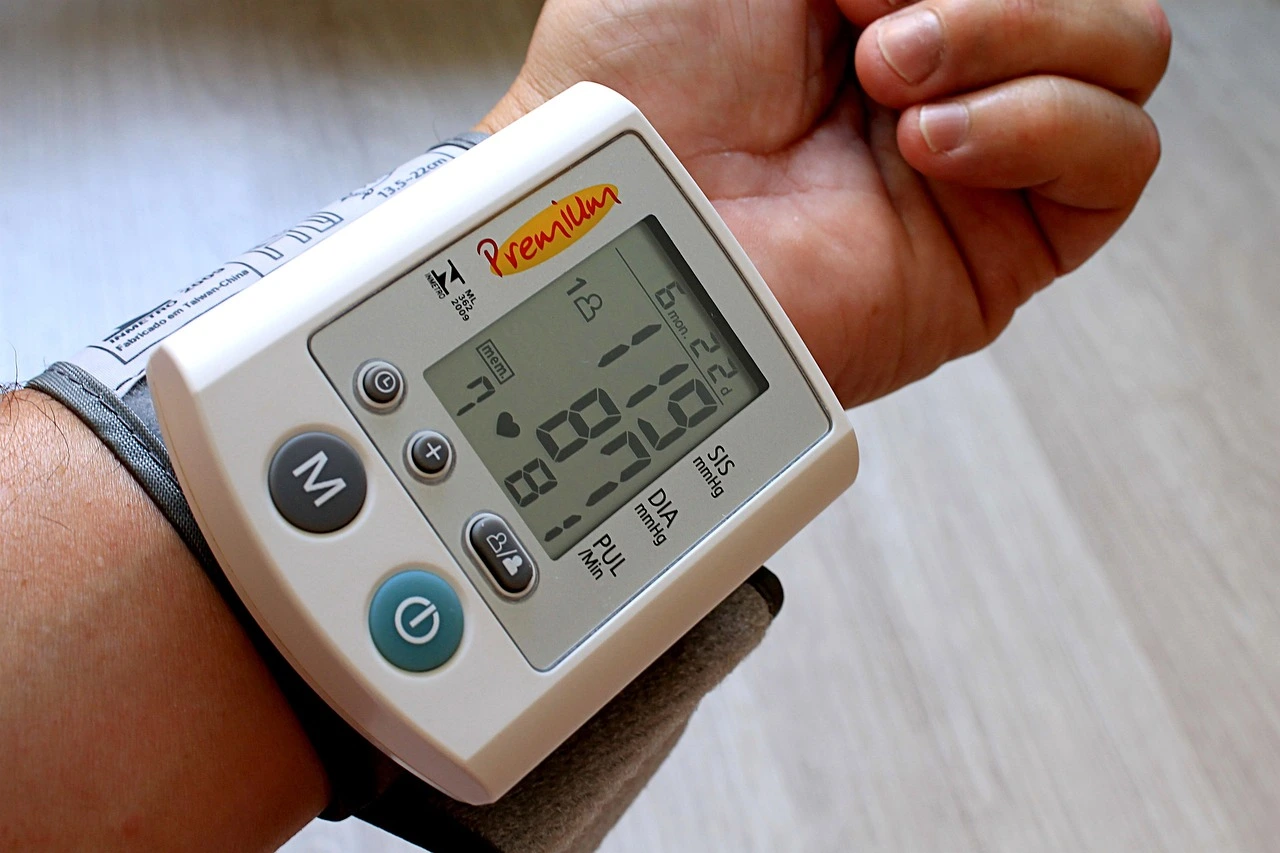
The market offers three main types of home blood pressure monitors, each with distinct advantages depending on your lifestyle and preferences. Automatic arm cuff monitors are the most popular choice for young adults because they require minimal effort and deliver fast, accurate readings with a single button press. Wrist monitors offer portability and convenience, making them ideal if you travel frequently or prefer discreet monitoring, though they require proper positioning to avoid errors. Finger monitors are compact but generally less reliable because small changes in hand position significantly affect accuracy. When selecting a monitor, prioritize models validated by organizations like the American Medical Association, which ensures clinical accuracy. Look for features like a large digital display if you have vision concerns, memory storage to track multiple readings, and Bluetooth connectivity if you want to sync data with your smartphone. Budget ranges from thirty to one hundred dollars for quality devices, and investing in a reliable monitor pays dividends through years of consistent, trustworthy readings that you can confidently share with your healthcare provider.
📘 Fix your day in under 2 minuteschoose where to begin:
Preparing for a home blood pressure check
Accurate readings depend heavily on how you prepare, and skipping these steps introduces errors that can lead to unnecessary worry or missed warning signs. Start by resting quietly in a comfortable seated position for at least five minutes before measuring, as physical activity and stress temporarily elevate readings. Empty your bladder beforehand because a full bladder can artificially raise your systolic pressure by several points. Avoid caffeine, nicotine, and decongestants for at least thirty minutes before measuring since these substances constrict blood vessels and spike readings. Sit with your back supported, feet flat on the floor, and your arm at heart level on a table or armrest. The environment matters too: choose a quiet, calm space free from distractions and noise, as stress hormones released during conversation or mental activity can inflate your numbers. Many young adults make the mistake of checking their blood pressure immediately after waking, exercising, or during a stressful moment, then panicking at elevated readings that don’t reflect their baseline health. Consistency in timing and conditions helps you build a reliable baseline and spot genuine trends rather than temporary fluctuations.
Taking your blood pressure reading
The actual measurement process is straightforward once you understand proper technique, and mastering it ensures your readings are trustworthy enough to guide health decisions. Wrap the cuff snugly around your upper arm about one inch above the elbow, ensuring the bladder of the cuff sits directly over the artery on the inside of your arm. If using an automatic monitor, simply press the start button and remain still and quiet while it inflates and deflates. The machine displays your systolic and diastolic readings along with your pulse rate. For manual or semi-automatic monitors, you’ll need to listen through a stethoscope for the first heartbeat sound as pressure releases, noting that number as systolic, then listening for when sounds disappear to record diastolic. Take readings at the same time each day for consistency, ideally in the morning before eating or evening after resting. A common mistake young adults make is taking a single reading and treating it as gospel truth, but blood pressure naturally fluctuates throughout the day. Instead, take two or three readings one to two minutes apart and average them for a more accurate picture. If readings vary significantly between measurements, wait five minutes and repeat, as anxiety about the process itself can temporarily elevate your numbers.
Tracking and monitoring your blood pressure
Recording your readings transforms isolated numbers into a meaningful health narrative that reveals patterns and trends invisible in single measurements. Create a simple log using a notebook, spreadsheet, or smartphone app, noting the date, time, systolic and diastolic readings, and any relevant context like stress level, sleep quality, or recent caffeine intake. Over weeks and months, patterns emerge that connect your readings to lifestyle factors, helping you understand what actually affects your blood pressure. For example, you might notice your readings spike on days after poor sleep or high-stress work deadlines, revealing actionable areas for improvement. Many young adults benefit from apps that sync with their monitors and automatically track readings, sending reminders and generating charts that visualize trends over time. Sharing your log with your healthcare provider during annual checkups or when concerns arise gives them concrete data to assess whether lifestyle changes are working or medication is needed. The psychological benefit of tracking shouldn’t be overlooked either: seeing gradual improvements after implementing diet changes or exercise routines provides tangible motivation to maintain healthy habits. Your blood pressure log becomes a personal health document that empowers you to take ownership of your cardiovascular wellness rather than passively waiting for symptoms to appear.
Understanding the basics of blood pressure, choosing the right monitor, preparing for the check, taking accurate readings, and tracking your results are key steps in successfully managing your health.
How often should I measure my blood pressure at home?
It is recommended to monitor your blood pressure at home regularly, at least a few times per week or as advised by your healthcare provider.
What should I do if I get consistently high readings at home?
If you consistently get high blood pressure readings at home, consult your healthcare provider for further evaluation and guidance on managing your blood pressure levels.
Others also read:
Disclaimer: This article is for informational purposes only and is not a substitute for professional medical advice. Always consult a healthcare professional for personal guidance.
This guide has been prepared and reviewed by the GlobalHealthBeacon editorial team and reflects current medical research as of 2026. It provides structured, evidence-based information to support informed health decisions.
