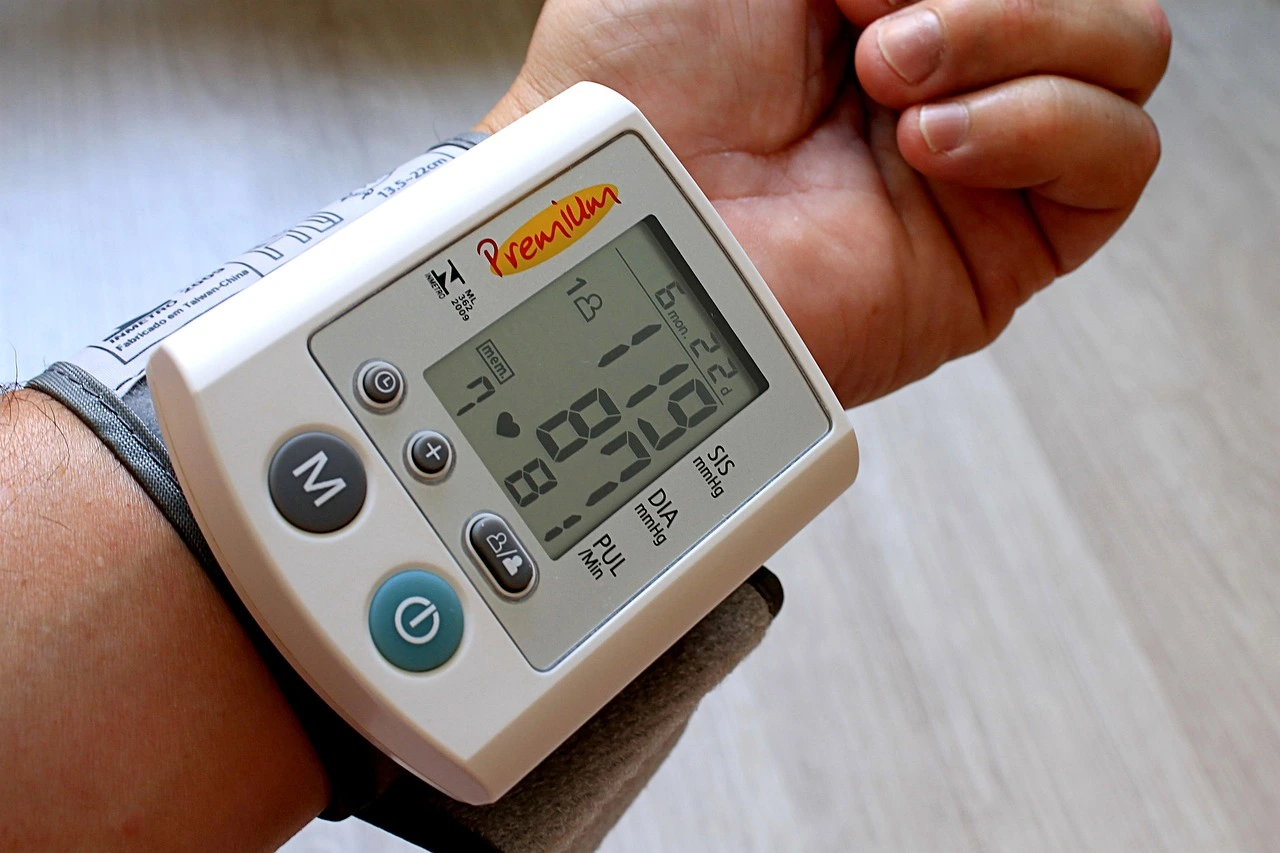
Staring at those confusing numbers on your monitor and wondering if you’re doing this right is way more common than you think, and learning to measure blood pressure at home accurately can actually give you real peace of mind instead of more stress.
Choosing the right equipment
When Sarah first started checking her blood pressure at home, she grabbed whatever monitor was cheapest at the pharmacy and immediately regretted it. The display was tiny, the buttons stuck, and she could never tell if she was getting real numbers or just frustration readings. Investing in a reliable blood pressure monitor changes everything. Look for a device with a clear, backlit display you can actually read without squinting, buttons that respond without effort, and a cuff that wraps comfortably around your arm without pinching. Medical validation matters too, so check if your monitor has been tested and approved by organizations that actually know what they’re doing. The memory function is a game-changer because it tracks your readings over weeks and months, showing you patterns you’d never catch otherwise. Your arm circumference matters more than you think, so measure it before buying and match the cuff size accordingly. A monitor that feels awkward or uncomfortable will become one you avoid using.
- Check for easy-to-read displays with large buttons for user-friendly operation.
- Ensure the cuff size matches your arm circumference for precise measurements.
- Look for monitors with memory functions to track your readings over time.
Establishing a routine
Marcus realized his readings were all over the place until he stopped measuring whenever he felt like it. He was checking at 7am one day, 2pm the next, sometimes right after his morning coffee or a stressful meeting. Consistency is absolutely key when measuring blood pressure at home. Pick a specific time each day, ideally in the morning before caffeine or intense activity, and stick with it like you’re meeting a friend. Find a quiet, comfortable spot where you can sit properly with your back supported and your feet flat on the floor, not crossed or dangling. Take a few deep breaths before you start, let your arm rest at heart level, and give yourself at least five minutes of calm before the cuff goes on. When you measure at the same time under the same conditions, you’re not just getting numbers, you’re building a real picture of what’s actually happening with your body. That consistency transforms random readings into meaningful data you and your doctor can actually use.
💬 Ready to feel better in 2 minutes?choose where to begin:
Interpreting your readings
The first time Jade saw her blood pressure reading, she had no idea what 128/82 actually meant and spent an hour on the internet convincing herself something was seriously wrong. Understanding what your numbers mean stops that spiral before it starts. The top number is systolic pressure, the force when your heart beats, and the bottom is diastolic pressure, the force when your heart rests between beats. Generally, below 120/80 mm Hg is considered normal, 120-129 and below 80 is elevated, and anything higher starts getting into ranges where you should definitely talk to someone who knows what they’re doing. Your numbers won’t be identical every time, and that’s completely normal because blood pressure naturally fluctuates throughout the day. What matters is the pattern over days and weeks, not individual readings that spike because you were stressed or rushed. If you’re consistently seeing numbers outside the normal range, that’s when you reach out to your healthcare provider instead of spiraling on your own.
Seeking professional guidance
Home blood pressure monitoring is genuinely valuable, but it’s not a replacement for actual medical care, and that’s an important distinction. Think of it as giving your doctor real-world data they can’t get from a single office visit where you might be nervous or rushing. Bring your readings to your appointments, discuss patterns you’ve noticed, and be honest about whether you’re actually measuring consistently or if you’ve been skipping days. Your healthcare provider can help you understand if your readings warrant lifestyle changes, medication adjustments, or just continued monitoring. They know your full health picture in ways an app or article never can, so their guidance is irreplaceable. Home monitoring empowers you to be an active participant in your health, but it works best when combined with professional oversight and regular check-ins. Don’t let monitoring become a substitute for the conversation you need to have with someone qualified to interpret what it all means for your specific situation.
Mastering the art of home blood pressure measurement involves choosing the right equipment, establishing a routine, interpreting your readings accurately, and seeking guidance when needed. By following these steps, young adults can take control of their health and well-being.
How often should I measure my blood pressure at home?
Ideally, aim to check your blood pressure at least once a day at the same time. However, consult with your healthcare provider for personalized recommendations based on your health condition.
Can emotions affect blood pressure readings?
Yes, emotions such as stress or anxiety can temporarily elevate blood pressure readings. Try to remain calm before and during measurements to obtain the most accurate results.
Others also read:
Disclaimer: This article is for informational purposes only and is not a substitute for professional medical advice. Always consult a healthcare professional for personal guidance.
This article presents an experience-based perspective and has been reviewed by the GlobalHealthBeacon editorial team in 2026. It provides structured, evidence-based information to support informed health decisions.
