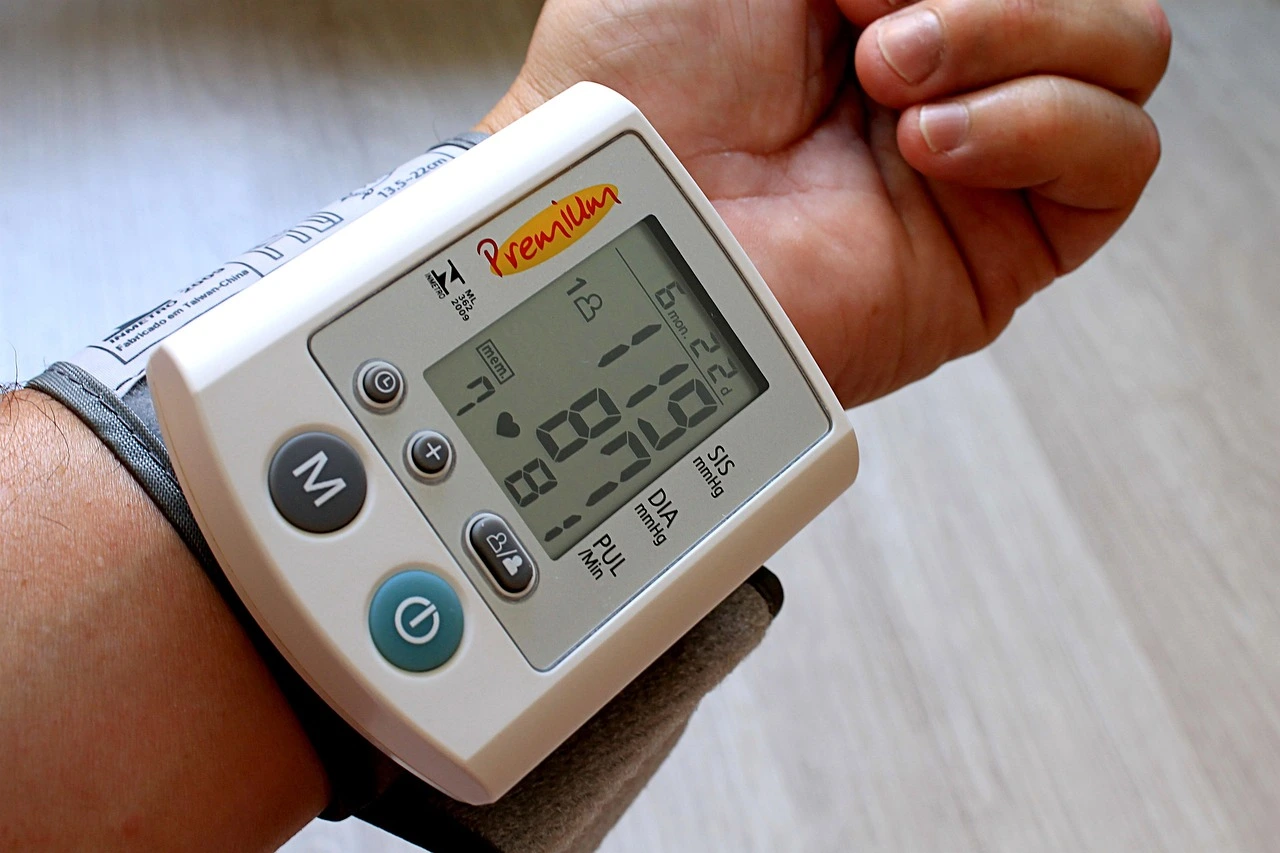
You’re tired of white coat syndrome skewing your readings at the doctor’s office, and you know something feels off with your health but you can’t quite prove it in a five-minute clinic visit, so learning to measure blood pressure at home is your ticket to real answers and real control.
Understanding the basics of blood pressure monitoring
Starting a home blood pressure routine begins with the right equipment and understanding what those two numbers actually mean. You’ll need a reliable digital blood pressure monitor, ideally one with an upper arm cuff rather than a wrist monitor, since they tend to be more accurate. The systolic number (the top one) measures pressure when your heart beats, while the diastolic number (the bottom one) measures pressure when your heart rests between beats. Before you measure, sit quietly for five minutes with your feet flat on the floor and your back supported. Place the cuff snugly on your bare upper arm at heart level, not over clothing, and follow your monitor’s specific instructions carefully. Many women find it helpful to measure at the same time each morning before caffeine or exercise, creating a baseline that reflects your true resting state rather than a stressed or stimulated reading.
- Choose a proper cuff size for accurate results, as too-small or too-large cuffs can give false readings
- Avoid smoking, caffeine, or exercise 30 minutes before measuring to ensure your body is in a calm state
- Take multiple readings at different times of the day for a better average, spacing them at least one minute apart
Interpreting your blood pressure readings
Once you start collecting numbers, knowing what they mean becomes essential. Normal blood pressure sits around 120/80 mmHg, but your doctor may have given you a personalized target based on your age, health history, or existing conditions. Elevated readings fall between 120-129 systolic and below 80 diastolic, while stage 1 hypertension is 130-139 systolic or 80-89 diastolic. Stage 2 hypertension is 140 or higher systolic or 90 or higher diastolic. Rather than panicking over a single high reading, look for patterns across a week or month. A one-time spike might reflect stress, poor sleep, or even the anxiety of measuring itself. But if you consistently see numbers trending upward, that’s your signal to reach out to your healthcare provider. Keep a simple log, either in a notebook or a phone app, noting the date, time, and both numbers so you can show your doctor real data rather than relying on memory.
📘 Fix your day in under 2 minuteschoose where to begin:
Maintaining consistency in blood pressure monitoring
The real power of home monitoring comes from consistency, not perfection. Pick a specific time each day, ideally in the morning before breakfast or in the evening at the same hour, and stick with it. Your body has natural rhythms, and blood pressure naturally fluctuates throughout the day, so measuring at consistent times lets you spot true changes rather than normal variation. Many women find that measuring twice a day for the first week or two helps them understand their personal patterns, then settling into once daily. Use a simple tracking method that works for your life, whether that’s a printed chart on your bathroom mirror, a note in your phone, or a dedicated health app. Some monitors sync directly to apps, which removes the guesswork and keeps data organized automatically. Over weeks and months, you’ll start seeing trends that reveal how stress, sleep, diet, and exercise actually affect your numbers in real time. This knowledge becomes incredibly motivating because you can literally see your efforts paying off when you make lifestyle changes.
Seeking medical advice
Home monitoring is a powerful tool, but it’s not a replacement for professional care. Bring your logged readings to your regular doctor visits so your healthcare provider can see the full picture of your blood pressure over time rather than just the single reading taken in the office. Some doctors even ask patients to keep home logs specifically because they trust the data more than a one-time clinic measurement. If you notice concerning patterns, such as readings consistently above 140/90 or sudden spikes that worry you, don’t wait for a scheduled appointment, contact your doctor’s office to discuss what you’re seeing. Your doctor can validate whether your monitor is working correctly by comparing your home readings to their office reading, and they can also rule out any underlying conditions that might be causing elevated pressure. Be honest about your lifestyle, stress levels, and any symptoms you’ve noticed, because your doctor needs that context to give you personalized advice rather than generic recommendations.
Lifestyle changes for better blood pressure management
Monitoring alone won’t lower your blood pressure, but combining it with intentional lifestyle changes creates real results. Regular exercise, even just 30 minutes of brisk walking most days, helps your heart pump more efficiently and reduces overall pressure. A diet lower in sodium and rich in potassium, calcium, and magnesium supports healthy blood vessels, so think leafy greens, beans, nuts, and whole grains rather than processed foods. Stress management matters more than many women realize, whether that’s through meditation, yoga, journaling, or simply taking time for activities that calm you. Quality sleep is equally important because sleep deprivation raises blood pressure and interferes with your body’s natural regulation. Limiting alcohol, quitting smoking if applicable, and maintaining a healthy weight all contribute to better readings. The beauty of home monitoring is that you can experiment with these changes and see the results yourself within weeks, which provides motivation to keep going rather than just trusting that something is helping.
Monitoring blood pressure at home allows women to take control of their health through consistent measurements, interpretation of readings, regular tracking, medical consultation, and healthy lifestyle choices.
How often should I measure my blood pressure at home?
It’s recommended to measure your blood pressure at home at least once a day at the same time, following your healthcare provider’s advice. Some women benefit from twice-daily readings initially to understand their patterns, then settling into a once-daily routine.
What should I do if my home blood pressure readings are consistently high?
If your readings consistently show high blood pressure, consult your doctor promptly for further evaluation and appropriate management strategies. Bring your logged readings to show your doctor the pattern, and discuss any lifestyle changes or medications that might help.
Others also read:
Disclaimer: This article is for informational purposes only and is not a substitute for professional medical advice. Always consult a healthcare professional for personal guidance.
This guide has been prepared and reviewed by the GlobalHealthBeacon editorial team and reflects current medical research as of 2026. It provides structured, evidence-based information to support informed health decisions.
