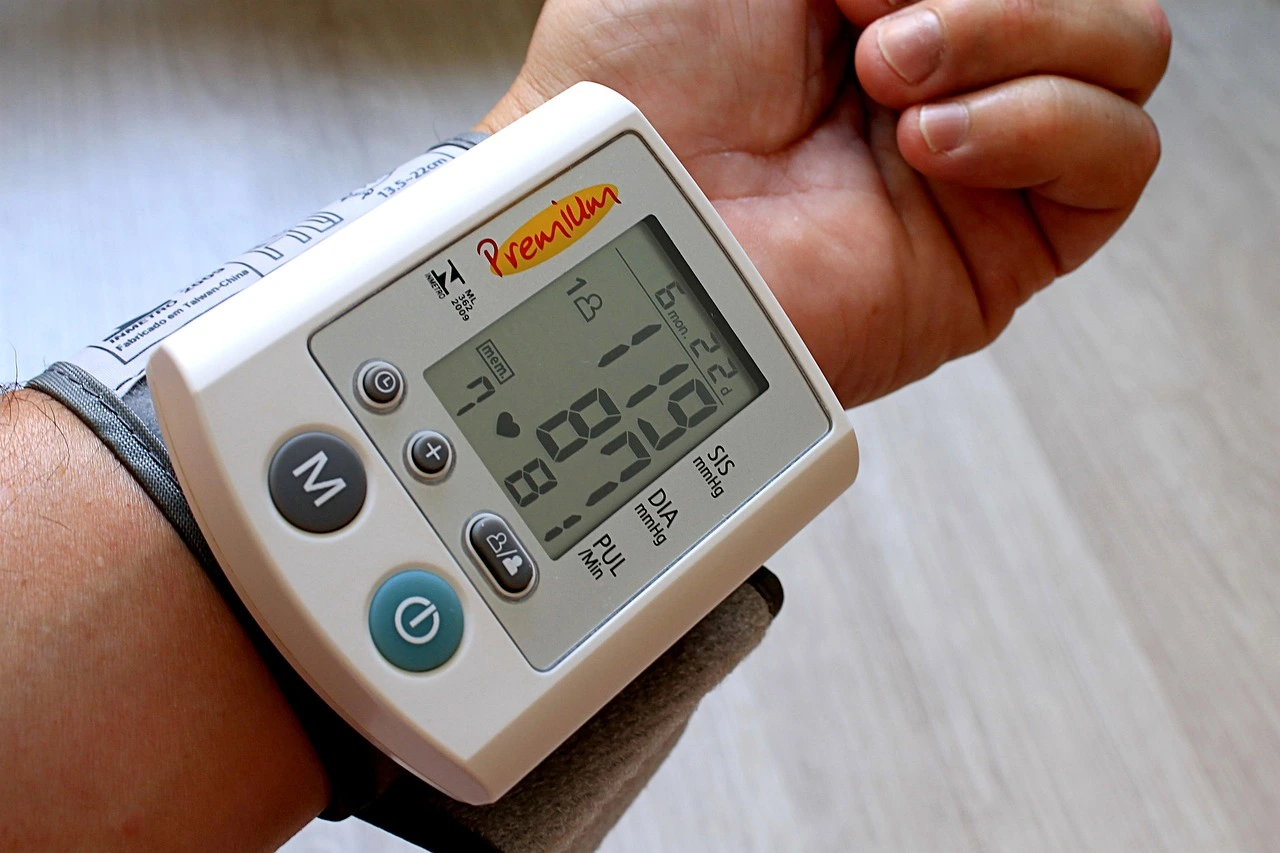
Your heart is pounding during a stressful work meeting, and you have no idea if your blood pressure is spiking dangerously or if you’re just anxious, so you decide to measure blood pressure at home and finally get some real answers instead of guessing.
Understanding blood pressure monitoring
Learning to measure blood pressure at home puts you in control of your cardiovascular story rather than waiting for annual checkups to get a snapshot of your health. Many young adults assume their blood pressure is fine because they feel fine, but silent hypertension is real and increasingly common in your age group. When you understand how home monitoring works, you move from passive observer to active participant in your health. The process itself is straightforward: a cuff inflates around your arm, sensors detect your pulse, and the device displays two numbers that tell you exactly what’s happening in your arteries right now. This isn’t complicated medical equipment anymore; modern monitors are designed for everyday use in your bedroom, kitchen, or office. The key is understanding what those numbers mean and why consistency matters more than perfection.
- Learn the correct technique for using a home blood pressure monitor.
- Understand the significance of systolic and diastolic readings in blood pressure measurements.
- Discover the optimal frequency for monitoring your blood pressure at home.
Key features to look for
Choosing the right monitor means looking beyond the price tag and considering what actually matters for your lifestyle and accuracy. Accuracy is non-negotiable; a monitor that gives you wildly different readings each time is worse than useless because it creates confusion instead of clarity. Ease of use matters because you’ll only use a monitor that doesn’t frustrate you, so large displays, simple button layouts, and quick startup times are worth paying for. Memory storage capacity lets you track trends over weeks and months without manually writing everything down, which is especially useful when you share data with your doctor. Cuff size options are often overlooked but critical; an ill-fitting cuff gives inaccurate readings, so verify the monitor fits your arm circumference before buying. Smartphone app compatibility transforms your monitor into a personal health dashboard, allowing you to see patterns, set reminders, and export data for medical appointments. Some monitors also offer features like irregular heartbeat detection, which flags potential arrhythmias and gives you peace of mind or a reason to contact your doctor.
📘 Fix your day in under 2 minuteschoose where to begin:
Top recommendations for young adults
The Omron Platinum Blood Pressure Monitor combines clinical accuracy with a sleek design that doesn’t look medical, making it something you’ll actually keep on your nightstand instead of hiding in a closet. It stores readings for two users, includes irregular heartbeat detection, and syncs with smartphone apps for effortless tracking. The Withings BPM Connect takes the tech-forward approach with WiFi connectivity, meaning your readings automatically upload to the cloud without you doing anything, and you can share data directly with healthcare providers through the app. For those who want wireless simplicity without the cloud complexity, the QardioArm Wireless Blood Pressure Monitor offers Bluetooth connectivity, beautiful design, and a companion app that turns your readings into visual trends you can actually understand. Each of these options has earned consistent five-star reviews from young adults specifically because they balance accuracy, aesthetics, and usability in ways that older clinical monitors simply don’t. Your choice depends on whether you prioritize design, connectivity, or simplicity, but any of these three will serve you well.
Tips for accurate readings
Accurate readings require more than just pressing a button; the conditions around measurement matter just as much as the device itself. Start by sitting quietly for five minutes before testing, which allows your body to settle into a baseline state rather than measuring stress from rushing around. Avoid caffeine and tobacco for at least 30 minutes before measuring because both substances temporarily elevate blood pressure and skew your results. Support your arm at heart level during measurement; if your arm hangs down or sits too high, gravity affects the reading and gives you false numbers. Take readings at the same time each day, ideally in the morning before eating or taking medications, because blood pressure naturally fluctuates throughout the day and consistency reveals true patterns. Empty your bladder before measuring because a full bladder can artificially raise readings. Keep a log of your measurements along with notes about stress, sleep quality, or unusual circumstances, which helps your doctor understand what’s normal for you versus what might be concerning. Many young adults skip these steps and then wonder why their home readings don’t match their doctor’s office readings.
Monitoring your progress
Tracking blood pressure readings regularly transforms raw numbers into actionable insights about your cardiovascular health and lifestyle choices. Maintain a log of measurements, either digitally through your monitor’s app or in a simple spreadsheet, because patterns emerge only when you look at data over time. Share this log with your healthcare provider at appointments so they understand your baseline and can spot concerning trends early. Make lifestyle adjustments based on what you observe; if your readings spike after high-sodium meals or stressful weeks, you have concrete evidence to motivate change rather than vague health advice. Notice how exercise, sleep quality, stress management, and diet directly impact your numbers, which creates a feedback loop that reinforces healthy habits. Some young adults find that seeing their own data improve after making changes is more motivating than any doctor’s warning because it’s personal and measurable. Your blood pressure readings become a conversation between you and your body, telling you what’s working and what needs adjustment.
Understanding how to choose and use a home blood pressure monitor is essential for young adults to monitor their cardiovascular health effectively. Regular monitoring, accurate readings, and consistent record-keeping can empower you to take charge of your well-being and make informed decisions.
How often should I measure my blood pressure at home?
For optimal monitoring, aim to measure your blood pressure at the same time each day, preferably in the morning before eating or taking medications. Consult your healthcare provider for personalized recommendations.
Are wrist blood pressure monitors as accurate as upper arm monitors?
Wrist blood pressure monitors can be less accurate than upper arm monitors. For precise readings, it’s recommended to use upper arm monitors positioned at heart level for the most reliable results.
Others also read:
Disclaimer: This article is for informational purposes only and is not a substitute for professional medical advice. Always consult a healthcare professional for personal guidance.
This guide has been prepared and reviewed by the GlobalHealthBeacon editorial team and reflects current medical research as of 2026. It provides structured, evidence-based information to support informed health decisions.
