You’re sitting at home wondering if that blood pressure reading you just took means something, but you have no idea if your monitor is even giving you the real story, and that uncertainty is eating at you.
Understanding blood pressure monitoring devices
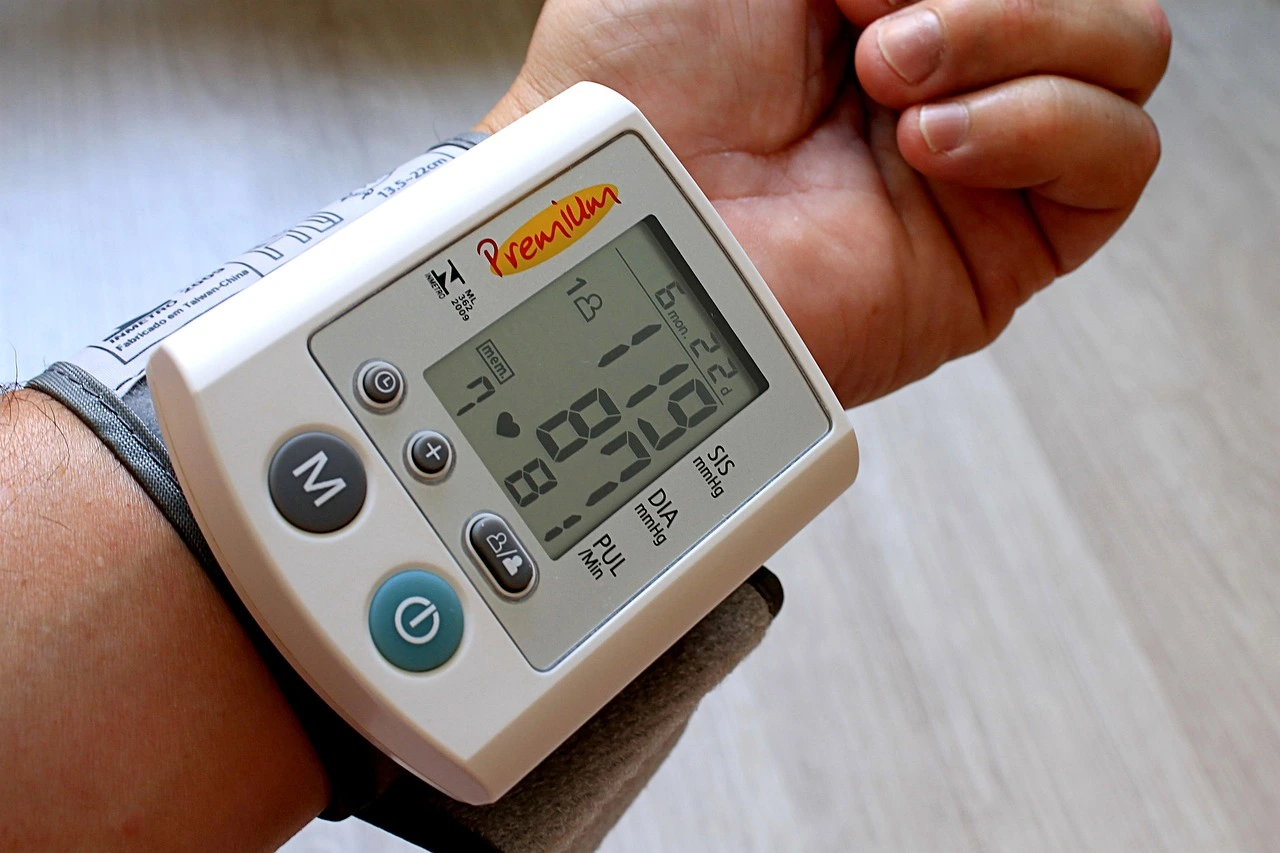
Home blood pressure monitors have evolved significantly over the past two decades, offering seniors multiple options to track their cardiovascular health from the comfort of their living rooms. Digital monitors, the most common type found in households today, use oscillometric technology to detect the vibrations created by blood flowing through your arteries as the cuff deflates. Upper arm monitors are generally considered the gold standard for accuracy because they measure pressure at the same level as your heart, eliminating variables caused by arm position. Wrist monitors offer convenience and portability, though they require more precise positioning to deliver reliable results. When selecting a device, it’s crucial to verify that your chosen monitor has been validated by organizations like the American Medical Association or the British Hypertension Society. A properly fitting cuff is non-negotiable, as an oversized cuff can underestimate your reading while a too-small cuff can overestimate it. Many seniors make the mistake of purchasing a monitor without checking the cuff size compatibility with their arm circumference, leading to months of potentially inaccurate readings.
Interpreting blood pressure readings
Blood pressure readings present two distinct measurements that work together to tell the complete story of your cardiovascular function. The systolic pressure, displayed as the top number, represents the force exerted on your artery walls when your heart contracts and pumps blood throughout your body. The diastolic pressure, the bottom number, reflects the pressure in your arteries during the relaxation phase between heartbeats. A reading of 120/80 millimeters of mercury is considered normal, though this benchmark has been refined over recent years as medical understanding has deepened. For adults aged 65 and older, some research suggests that slightly higher readings may be tolerable, though this varies based on individual health profiles and existing conditions. Understanding these numbers helps you recognize patterns in your own data. For instance, if you consistently see readings of 145/92, you’re seeing a pattern that differs from normal and warrants discussion with your healthcare provider. Many seniors find it helpful to keep a simple log or use their monitor’s built-in memory to track readings over weeks and months, revealing trends that a single measurement could never show.
Tips for accurate measurements
Achieving consistent and reliable blood pressure measurements requires attention to environmental and physiological factors that most people overlook. Begin by sitting quietly in a comfortable chair for at least five minutes before taking your measurement, allowing your body to reach a baseline state. Your feet should rest flat on the floor, not dangling, as this affects blood flow and can artificially elevate readings. Position your arm so the cuff sits at the level of your heart, typically requiring a small pillow or armrest for support. Many seniors unknowingly rest their arm too low or too high, introducing measurement errors of 5 to 10 millimeters of mercury. Avoid caffeine for at least 30 minutes before measuring, as it temporarily constricts blood vessels and raises pressure. Similarly, nicotine and vigorous exercise can skew results for up to an hour afterward. Take measurements at the same time each day, preferably in the morning before eating, to establish a consistent baseline. Avoid talking during the measurement itself, as conversation triggers a slight blood pressure elevation known as the alerting response. If your first reading seems unusually high or low, wait two to three minutes and take a second measurement, then average the two results for a more accurate picture.
- Sit calmly and relax for several minutes before beginning.
- Position your arm correctly at heart level with proper support.
- Avoid caffeine, tobacco, and exercise for at least 30 minutes prior.
🔬 Science-backed benefits in 2 minuteschoose where to begin:
Factors affecting home blood pressure measurements
Numerous variables can influence the accuracy of your home blood pressure readings, and understanding these factors empowers you to control them. Body position plays a surprisingly significant role, as measurements taken while lying down differ from those taken while sitting upright. The white-coat effect, where readings spike in clinical settings due to anxiety, has a counterpart called the white-coat syndrome, where some people experience elevated readings even at home if they feel stressed about the measurement itself. Cuff size mismatches remain one of the most common culprits behind inaccurate readings, yet many people never verify their cuff size after purchasing their monitor. Talking or moving during the measurement introduces artifacts that can distort results by several points. Bladder fullness also affects readings, as a full bladder can raise systolic pressure by 10 to 15 millimeters of mercury. Room temperature matters too, since cold environments cause blood vessel constriction and artificially elevate pressure. Some seniors discover that taking readings at different times of day yields different results, which is normal and expected since blood pressure naturally fluctuates throughout the day, typically rising in the morning and declining in the evening. Keeping a detailed log that notes the time, your emotional state, and any unusual circumstances helps you and your healthcare provider identify patterns and distinguish between genuine changes and measurement artifacts.
Benefits of home blood pressure monitoring
Regular home monitoring transforms how you and your healthcare provider understand your cardiovascular health by providing a window into your daily patterns rather than isolated snapshots. Clinical settings often produce artificially elevated readings due to the stress of the appointment itself, whereas home measurements capture your true baseline under normal living conditions. Over weeks and months, this data reveals whether your blood pressure is genuinely elevated or whether you experienced a temporary spike. Early detection becomes possible when you notice gradual upward trends that might otherwise go unnoticed until a crisis occurs. Many seniors find that the act of monitoring itself creates positive behavioral changes, as the routine reminds them to manage stress, limit sodium intake, and maintain consistent exercise habits. Your healthcare provider gains invaluable information for adjusting medications or lifestyle recommendations, moving beyond guesswork to evidence-based decisions tailored to your specific patterns. Some people discover that their readings improve significantly simply through consistent monitoring and the lifestyle awareness it creates. The data also helps distinguish between primary hypertension and secondary hypertension caused by specific conditions, guiding treatment decisions. Perhaps most importantly, home monitoring gives you agency and control over your health management, replacing passive acceptance with active participation.
Advancements in home monitoring technology
Modern blood pressure monitors have incorporated technological innovations that make tracking easier and more integrated with your overall health management. Bluetooth connectivity allows your monitor to automatically sync readings with smartphone apps, eliminating manual data entry and reducing transcription errors. Some devices now include artificial intelligence algorithms that detect irregular heartbeats, alerting you to potential arrhythmias that warrant medical attention. Cloud-based platforms enable your healthcare provider to access your readings remotely, facilitating more informed conversations during appointments and allowing for faster intervention if concerning trends emerge. Wearable blood pressure monitors are emerging, though they remain less accurate than traditional cuff-based devices. Voice-activated features help seniors with vision or dexterity challenges operate their monitors more easily. Memory storage in modern devices typically holds hundreds of readings, allowing you to review your complete history at a glance. Some monitors now include features that guide you through proper measurement technique with visual or audio cues, reducing common mistakes. Integration with other health tracking devices creates a comprehensive picture of your cardiovascular wellness, correlating blood pressure with activity levels, sleep patterns, and stress indicators. Despite these advances, the fundamental principle remains unchanged: accuracy depends on proper technique and consistent methodology, making user education as important as technological sophistication.
Understanding the science behind home blood pressure monitoring empowers seniors to take meaningful control of their cardiovascular health. Selecting a validated device with the correct cuff size, mastering proper measurement technique, and maintaining awareness of factors that influence readings form the foundation of reliable home monitoring. Regular tracking reveals your true blood pressure patterns, enabling early detection of changes and supporting informed conversations with your healthcare provider. Modern technology makes data collection and sharing seamless, yet the most important factor remains your commitment to consistent, careful measurement. By combining scientific knowledge with practical discipline, you transform home monitoring from a simple task into a powerful tool for maintaining optimal health.
How often should seniors measure their blood pressure at home?
Measurement frequency depends on your individual health status and your healthcare provider’s recommendations. Generally, seniors with normal blood pressure benefit from measuring once or twice weekly, while those with elevated readings or hypertension should measure daily, preferably at the same time each morning. Some people find that taking two readings, one to two minutes apart, and averaging them provides more reliable data than a single measurement.
Can home blood pressure monitors be calibrated for accuracy?
Yes, many home blood pressure monitors can be checked for accuracy by comparing readings obtained at home with those taken simultaneously at a healthcare facility using a calibrated clinical device. Some pharmacies and medical offices offer this validation service. Digital monitors may require battery replacement or professional servicing if they show consistent discrepancies, while manual aneroid monitors can be recalibrated by manufacturers or medical equipment specialists.
Others also read:
Disclaimer: This article is for informational purposes only and is not a substitute for professional medical advice. Always consult a healthcare professional for personal guidance.
This article has been prepared and reviewed by the GlobalHealthBeacon editorial team and is based on current medical research and published scientific literature available in 2026. It provides structured, evidence-based information to support informed health decisions.
