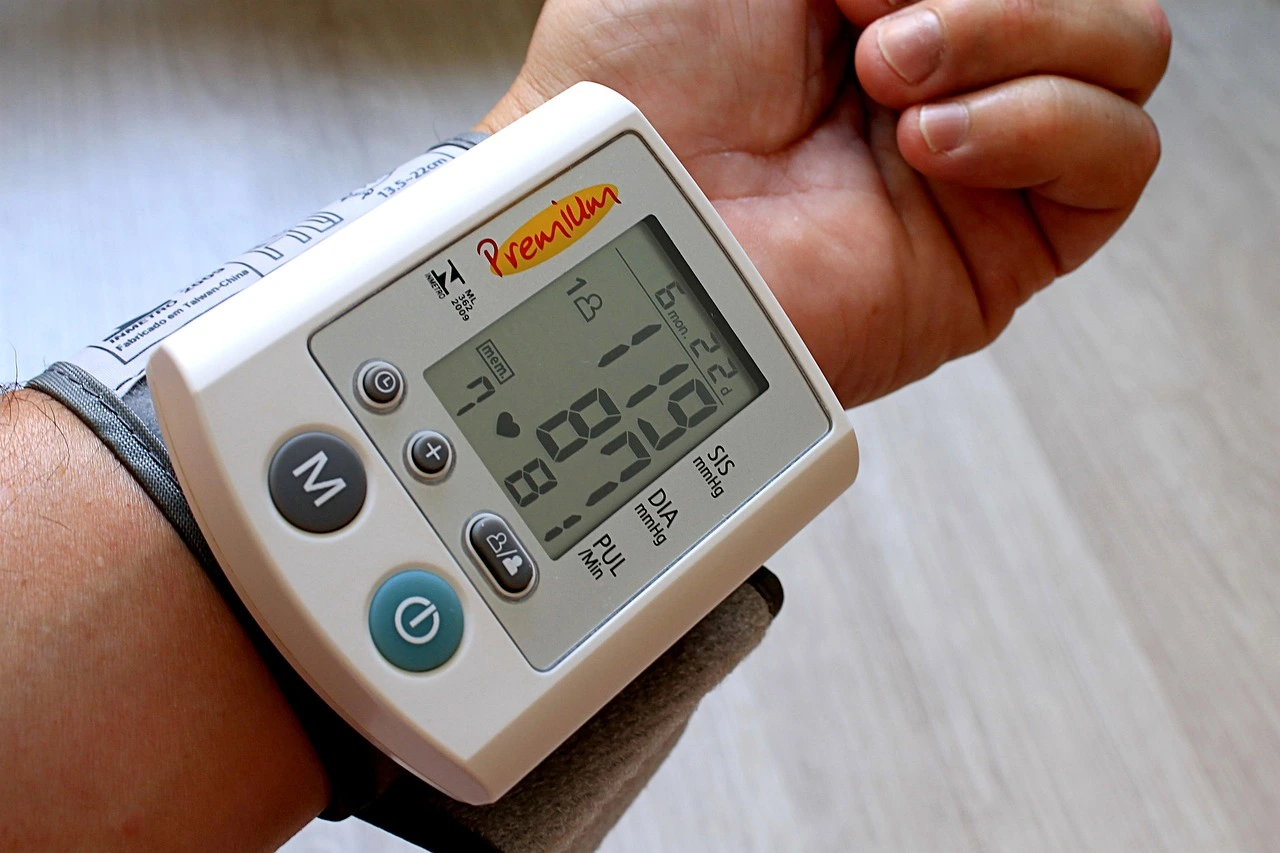
You’re staring at your home blood pressure monitor wondering if those numbers actually mean anything, and honestly, that confusion stops now because learning to measure blood pressure at home correctly transforms vague health anxiety into real, actionable data you can actually trust.
Understanding blood pressure: the basics
Blood pressure is fundamentally the force exerted by circulating blood against the inner walls of your arteries, and it’s what keeps oxygen and nutrients flowing to every cell in your body. Think of it like water pressure in a garden hose: too little and nothing gets watered, too much and the hose bursts. Your systolic pressure, the top number, represents the force when your heart contracts and pushes blood out into your arteries. Your diastolic pressure, the bottom number, measures the force when your heart relaxes between beats. These two numbers work together to tell a story about your cardiovascular health. A reading of 120/80 millimeters of mercury is often considered normal, but understanding what happens inside your body during measurement helps you see why technique matters so much. When you sit down to measure, your arteries are responding to everything from your caffeine intake to your stress level, which is why the same person can get wildly different readings depending on conditions.
Significance of home blood pressure monitoring
Home blood pressure monitoring gives you a window into your cardiovascular health that clinical visits simply cannot provide. When you sit in a doctor’s office, your body often responds to the clinical environment itself, a phenomenon called white-coat hypertension where stress and anxiety artificially elevate readings. By measuring at home, you capture your baseline blood pressure in real-world conditions, revealing patterns that matter. Imagine tracking your readings over two weeks and noticing they spike every morning before work or dip after evening walks. That data is gold for your healthcare provider. Multiple measurements throughout the day also smooth out random fluctuations caused by a single stressful moment or a particularly salty meal. Young adults especially benefit from this approach because early detection of trends can prevent serious cardiovascular issues down the line. Home monitoring also builds health literacy and personal accountability, helping you understand how your lifestyle choices directly affect your numbers.
Steps for accurate home blood pressure measurement
Accurate measurement requires attention to detail at every stage, starting with preparation. Sit calmly for at least five minutes before measuring, allowing your body to settle into a resting state. During this time, avoid checking your phone or thinking about stressful situations. Use the correct cuff size for your arm circumference because an ill-fitting cuff is one of the most common sources of error. A cuff that is too small will read high, while one that is too large will read low. Position the cuff at heart level, which typically means resting your arm on a table or armrest so the cuff sits at the same height as your heart. Your feet should be flat on the floor, not crossed, and your back should be supported by a chair. Take your measurement in a quiet environment free from distractions. Many people find that measuring at the same time each day helps establish consistency. For example, measuring right after waking up and again in the evening creates a reliable routine that your body anticipates, reducing stress-related spikes.
- Sit calmly for at least five minutes before measuring.
- Use the correct cuff size for accurate readings.
- Position the cuff at heart level for precise results.
🔬 Science-backed benefits in 2 minuteschoose where to begin:
Common mistakes to avoid
Even small errors in technique can skew your readings significantly. Crossing your legs during measurement restricts blood flow and artificially raises your systolic pressure by several points. Talking or being distracted during the measurement also elevates readings because your body is not in a truly resting state. Clothing that constricts your arm, like tight sleeves or rolled-up fabric, creates pressure that interferes with accurate cuff placement. Many people measure immediately after drinking coffee or eating a large meal, both of which affect blood pressure temporarily. Measuring when you are anxious about the reading itself creates a feedback loop of stress that inflates numbers. A common scenario: someone checks their pressure, sees a high reading, gets worried, and the worry makes the next reading even higher. The solution is to approach measurement with neutral curiosity rather than judgment. Also avoid measuring on the arm with an IV line, after exercise, or when you have a full bladder, as these conditions all temporarily alter readings.
Frequency of monitoring
How often you measure depends on your individual health situation and your healthcare provider’s recommendations. For someone newly diagnosed with hypertension, daily measurements might be suggested to establish baseline patterns. For others managing stable blood pressure, measuring two to three times per week provides sufficient data. The key is consistency rather than obsessive daily checking. Think of it like tracking your weight: measuring once a week at the same time of day gives you useful trend information, while measuring multiple times daily creates noise and anxiety. Many young adults benefit from a two-week intensive monitoring period where they measure morning and evening to understand their baseline, then transition to weekly checks. This data becomes invaluable for your healthcare provider to adjust treatment plans if needed. Regular monitoring also helps identify triggers: you might notice your pressure rises on days you sleep poorly or skip exercise. These insights empower you to make lifestyle adjustments that naturally support cardiovascular health without relying solely on medication.
Calibrating your home monitoring device
Your home blood pressure monitor is only as reliable as its accuracy, which is why periodic calibration matters. Most modern monitors are pre-calibrated at the factory, but they can drift over time, especially if dropped or exposed to extreme temperatures. The gold standard for checking accuracy is comparing your home device against a validated monitor at your healthcare provider’s office during the same visit. Ask your doctor or nurse to take your pressure with their clinical device immediately followed by your home device. If the readings differ by more than 5 millimeters of mercury, your home monitor may need recalibration or replacement. Many manufacturers offer calibration services, though some devices cannot be recalibrated and must be replaced. Keep records of when you last verified accuracy. A simple approach is to schedule this check during your annual physical or whenever you get a new monitor. Some pharmacies also have validated devices available for comparison. By maintaining an accurate monitor, you ensure that the data you are collecting actually reflects your true blood pressure, making it genuinely useful for health management.
Mastering home blood pressure measurement combines understanding the physiology of how pressure works with practical technique that eliminates common errors. Your readings are only valuable when they are accurate, which means investing time in proper preparation, using the right equipment, and measuring consistently. The data you collect becomes a conversation starter with your healthcare provider, revealing patterns and trends that inform better health decisions. Young adults who develop this skill early gain a powerful tool for long-term cardiovascular health management.
How should I choose the right home blood pressure monitor?
Select a monitor that has been validated by medical associations like the American Heart Association or the British Hypertension Society. Check the cuff size matches your arm circumference, as most monitors come with standard adult cuffs that may not fit everyone. Read reviews from users with similar arm sizes and ask your healthcare provider for specific recommendations based on your needs. Digital upper-arm monitors are generally more accurate than wrist or finger monitors for home use.
What is the ideal time of day to measure blood pressure at home?
Morning and evening measurements are commonly recommended because they capture your pressure at different points in your daily cycle. Morning readings, taken before caffeine or activity, reflect your baseline. Evening readings show how your day has affected your pressure. Consistency matters more than specific times, so choose times that fit your routine and stick with them. Avoid measuring immediately after stress, exercise, caffeine, or meals, as these temporarily alter readings.
Others also read:
Disclaimer: This article is for informational purposes only and is not a substitute for professional medical advice. Always consult a healthcare professional for personal guidance.
This article has been prepared and reviewed by the GlobalHealthBeacon editorial team and is based on current medical research and published scientific literature available in 2026. It provides structured, evidence-based information to support informed health decisions.
