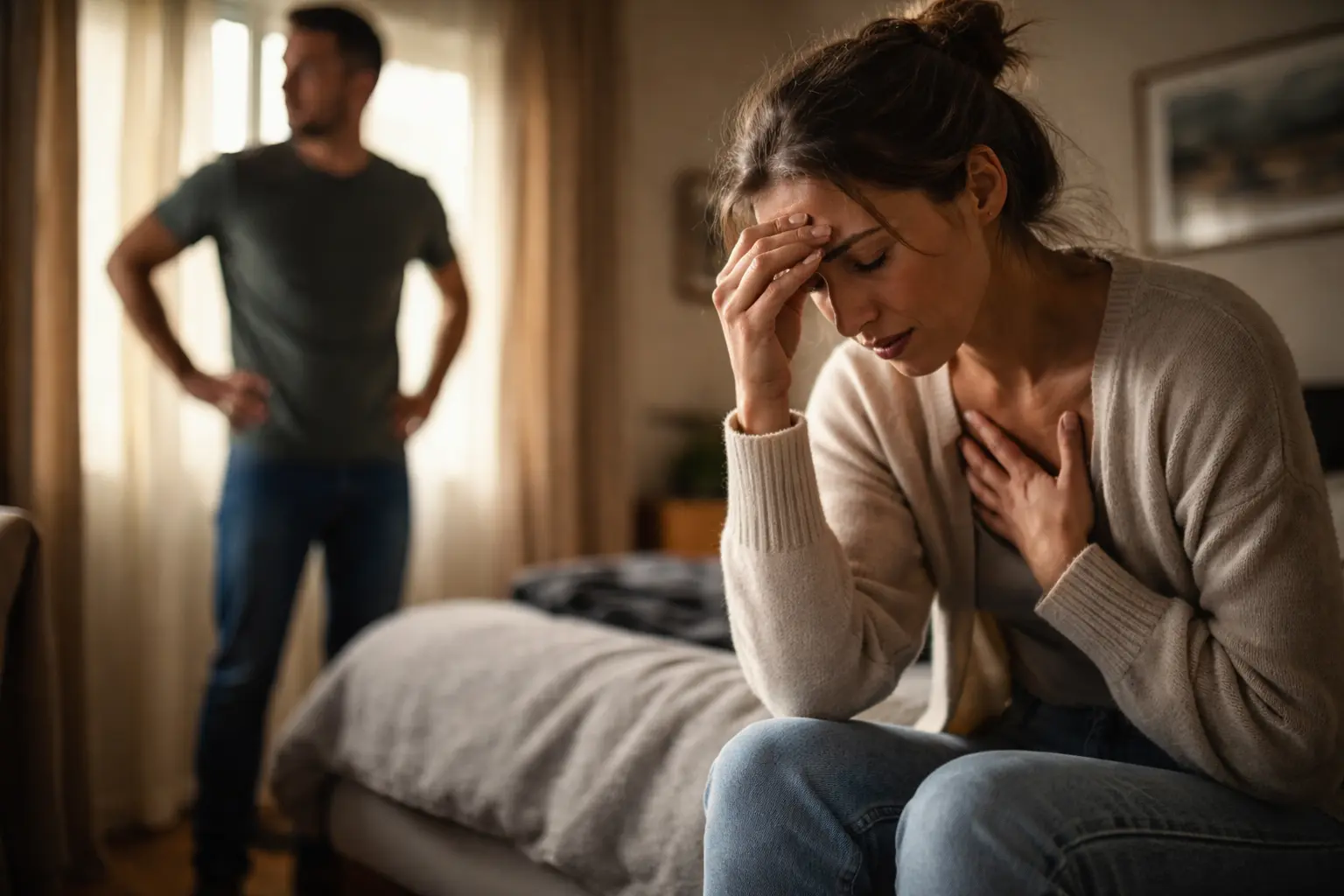
Your chest tightens, your mind races with a thousand what-ifs, and you can’t shake the feeling that something terrible is about to happen, but anxiety versus panic attack feels like two completely different monsters living inside your head.
Understanding anxiety: the endless mental battle
Anxiety can feel like a storm brewing inside your head, constantly worrying about what might happen next. From restless nights to racing thoughts, women often find themselves caught in this mental whirlwind. Imagine spending your day replaying a conversation from three weeks ago, wondering if you said something wrong, or lying awake at 2 AM convinced that a small health symptom means something serious. That persistent, gnawing sense of dread follows you everywhere. You might notice your shoulders stay tense, your jaw clenches without you realizing it, and your stomach feels unsettled even when you have not eaten anything unusual. Many women describe anxiety as a background noise that never quite turns off, making it hard to focus at work, enjoy time with friends, or simply relax. The worry is often about things that have not happened yet, creating an exhausting cycle of what-if thinking that drains your energy day after day.
- Persistent feelings of dread and unease that linger throughout the day
- Overthinking every situation, no matter how trivial, and replaying conversations
- Physical symptoms like tension headaches, stomach issues, or muscle tightness
Navigating panic attacks: when fear takes control
Panic attacks are like lightning strikes, sudden and overwhelming, sending your heart racing and breath short. Women experiencing panic attacks often feel trapped in a cyclone of terror, unable to escape the grips of fear. One moment you are fine, and the next, your heart is pounding so hard you think you might be having a heart attack. Your hands shake, you feel dizzy, and breathing becomes difficult as if your chest is being squeezed. A woman might be at the grocery store, in a meeting, or even at home when suddenly intense fear floods her body with no clear trigger. The physical symptoms feel so real and so severe that panic can convince you something is dangerously wrong. Unlike anxiety, which builds gradually, a panic attack hits fast and hard, peaking within minutes and leaving you exhausted and shaken afterward. Many women report feeling afraid of the next attack, which can create a cycle of anticipatory anxiety.
💬 Ready to feel better in 2 minutes?choose where to begin:
Coping strategies: finding peace in the chaos
Managing anxiety and panic attacks requires a combination of self-awareness, therapy, and lifestyle changes. From mindfulness practices to seeking professional help, women can take back control of their mental health and find moments of calm amidst the storm. Deep breathing exercises like the 4-7-8 technique, where you inhale for four counts, hold for seven, and exhale for eight, can help calm your nervous system during anxious moments. Grounding techniques such as the 5-4-3-2-1 method, where you identify five things you see, four you can touch, three you hear, two you smell, and one you taste, bring you back to the present moment during panic. Regular exercise, even a 20-minute walk, releases endorphins that naturally reduce anxiety. Limiting caffeine and getting consistent sleep makes a real difference in how your body responds to stress. Many women find that therapy, particularly cognitive behavioral therapy, helps them identify thought patterns that fuel anxiety and develop healthier responses. Journaling your worries or practicing progressive muscle relaxation can also provide relief.
Empowering women: breaking the stigma of mental health
By sharing experiences and supporting each other, women can break the silence around mental health struggles. Together, we can create a safe space for open conversations, destigmatize seeking help, and empower each other to prioritize self-care and mental well-being. When you talk openly about your anxiety or panic attacks with trusted friends or family, you often discover you are not alone. Many women are silently struggling with the same fears and physical symptoms, feeling ashamed or embarrassed to speak up. Reaching out to a therapist or counselor is not a sign of weakness but a powerful act of self-care and strength. Support groups, whether online or in-person, connect you with other women who truly understand what you are going through. By normalizing these conversations, we reduce the shame that often keeps women trapped in silence. Sharing your story, even in small ways, helps others feel less alone and reminds everyone that mental health challenges are part of the human experience, not personal failures.
Living with anxiety and panic attacks is a challenging journey for many women, marked by daily battles with internal turmoil and sudden overwhelming fear. By understanding the differences between these two mental health conditions and implementing coping strategies, women can navigate the ups and downs of their mental health journey with resilience and strength.
How can I differentiate between anxiety and panic attacks?
Anxiety is characterized by persistent worry and fear, while panic attacks involve sudden, intense feelings of terror accompanied by physical symptoms like rapid heartbeat and shortness of breath.
What are some effective coping mechanisms for anxiety and panic attacks?
Practicing mindfulness, deep breathing exercises, seeking therapy, and maintaining a healthy lifestyle can help manage anxiety and panic attacks effectively.
Others also read:
Disclaimer: This article is for informational purposes only and is not a substitute for professional medical advice. Always consult a healthcare professional for personal guidance.
This article presents an experience-based perspective and has been reviewed by the GlobalHealthBeacon editorial team in 2026. It provides structured, evidence-based information to support informed health decisions.

