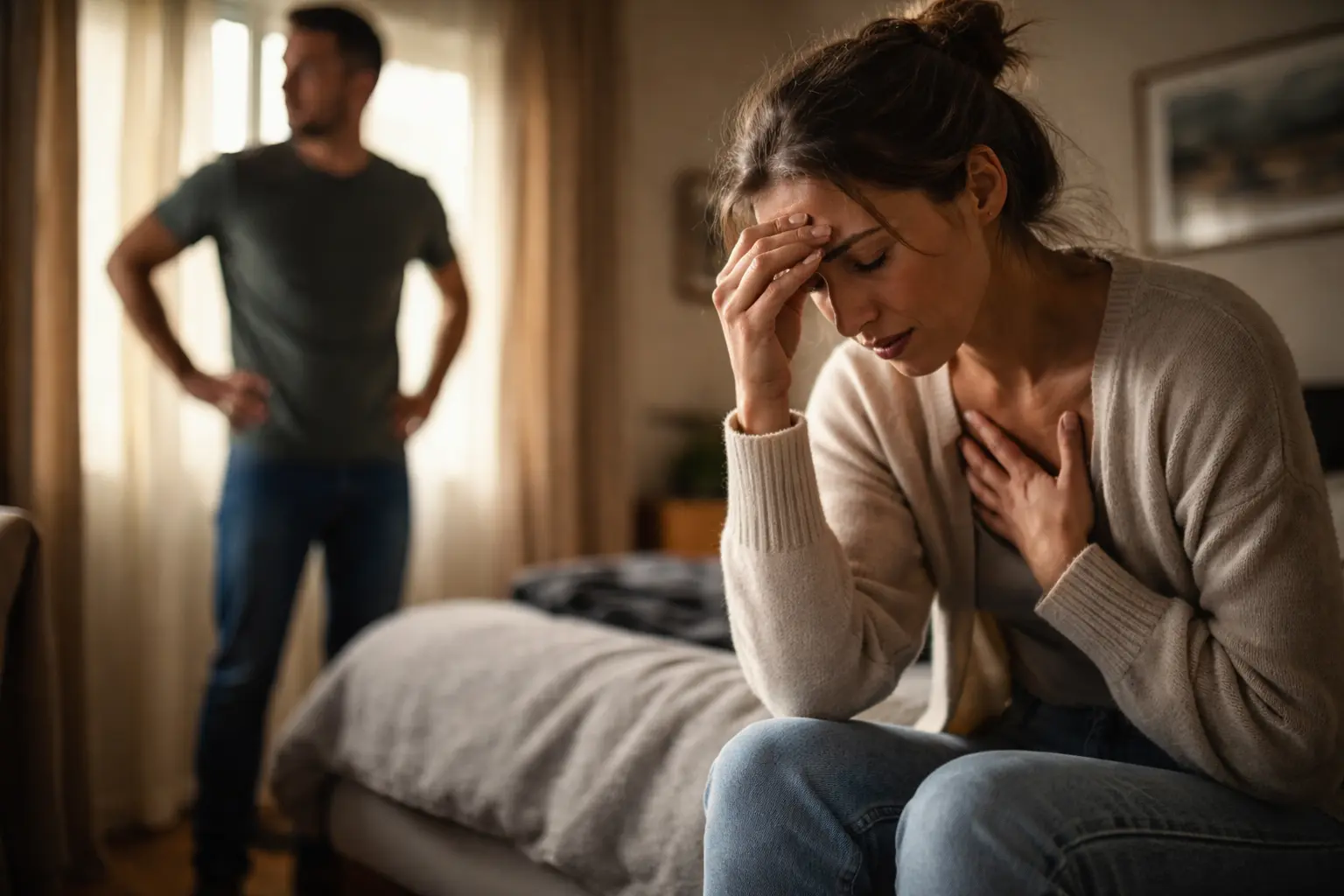
Your chest tightens, your mind races with worst-case scenarios, and you can’t tell if what you’re feeling is anxiety versus panic attack or something that requires immediate medical attention.
Anxiety: Understanding the constant turmoil
Anxiety in seniors often feels like a low-level alarm system that never quite shuts off. Unlike panic attacks that strike suddenly, anxiety builds gradually and can linger for hours or days. Imagine waking up with a vague sense of dread about an upcoming doctor’s appointment, then carrying that worry throughout your morning coffee, your walk, and into the afternoon. Your shoulders stay tense, your stomach feels unsettled, and you find yourself replaying conversations or worrying about finances. For many seniors, anxiety manifests as persistent what-ifs: What if I fall? What if I forget something important? What if my health gets worse? These thoughts create a constant background hum of worry that exhausts both mind and body. Physical symptoms include trembling hands, muscle tension, restlessness, and difficulty concentrating on tasks that once felt easy. The key difference is that anxiety doesn’t typically involve the intense fear or physical panic response, but rather a sustained state of unease that colors your entire day.
- Anxiety can lead to chronic stress, sleep disturbances, and difficulty concentrating on daily tasks and hobbies.
- Seniors experiencing anxiety may feel on edge and irritable, affecting relationships and overall well-being.
- It is essential to recognize anxiety symptoms early to prevent them from escalating into more severe conditions or panic episodes.
Panic attacks: When fear takes over
Panic attacks are sudden, intense episodes of overwhelming fear that can feel like a medical emergency even when there is no actual danger present. They arrive without warning, often peaking within minutes. A senior might be sitting quietly at home when suddenly their heart races, their breathing becomes shallow and rapid, and they feel a crushing pressure in their chest. Dizziness, tingling in the hands or feet, and a terrifying sense of impending doom wash over them. Some describe it as feeling like they are having a heart attack or losing control. The physical symptoms are real and intense: chest pain, shortness of breath, sweating, trembling, and nausea. What makes panic attacks particularly distressing for seniors is the fear that something is seriously wrong medically, leading many to rush to emergency rooms only to be told their heart is fine. The attack typically lasts 10 to 20 minutes, though it can feel much longer to the person experiencing it. The aftermath often includes anxiety about having another attack, which can actually increase the likelihood of future episodes.
📘 Fix your day in under 2 minuteschoose where to begin:
Managing anxiety and panic attacks
Managing these conditions requires a multi-layered approach tailored to your specific triggers and symptoms. Start with grounding techniques that work in the moment: the 5-4-3-2-1 method involves naming five things you see, four you can touch, three you hear, two you smell, and one you taste, which anchors you to the present and interrupts the panic cycle. Deep breathing is powerful but must be done correctly; try the 4-7-8 technique where you breathe in for four counts, hold for seven, and exhale for eight, which activates your parasympathetic nervous system. Progressive muscle relaxation, where you tense and release each muscle group from toes to head, helps release physical tension that fuels anxiety. For ongoing anxiety management, gentle activities like tai chi, walking, or water aerobics provide both physical and mental benefits. Mindfulness meditation, even just 10 minutes daily, rewires how your brain responds to stress. Keep a journal to identify patterns: Do attacks happen at certain times? After specific triggers? Understanding your patterns helps you prepare and respond more effectively. Many seniors find that limiting caffeine, maintaining regular sleep schedules, and avoiding excessive news consumption significantly reduce both anxiety and panic frequency.
Seeking professional help
Professional support is not a sign of weakness but a practical tool for reclaiming your quality of life. If anxiety or panic attacks interfere with your daily activities, relationships, or independence, scheduling an appointment with your primary care doctor is the first step. They can rule out medical causes like thyroid problems or heart conditions that sometimes mimic anxiety symptoms. A mental health professional, whether a therapist, counselor, or psychiatrist, can provide evidence-based treatments proven effective for seniors. Cognitive behavioral therapy (CBT) helps you identify and change thought patterns that fuel anxiety and panic. Exposure therapy gradually introduces you to feared situations in a safe, controlled way, reducing their power over time. Medication options like SSRIs or short-term anti-anxiety medications can provide relief while you work on longer-term strategies. Support groups, either in-person or online, connect you with others experiencing similar challenges, reducing the isolation many seniors feel. Don’t hesitate to ask questions about treatment options, potential side effects, and what to expect. A good therapeutic relationship is built on clear communication and mutual respect.
Maintaining a healthy lifestyle
Your daily habits form the foundation for mental resilience and emotional stability. Regular physical activity, even 30 minutes of moderate movement like brisk walking or gardening, reduces anxiety symptoms by lowering stress hormones and boosting mood-enhancing endorphins. Nutrition matters too: foods rich in omega-3 fatty acids, magnesium, and B vitamins support brain health and emotional regulation, while excessive sugar and processed foods can worsen anxiety. Prioritize sleep by maintaining a consistent bedtime routine, keeping your bedroom cool and dark, and avoiding screens an hour before bed. Social connection is powerful medicine; regular phone calls, visits, or group activities combat the isolation that amplifies anxiety. Engage in activities that bring genuine joy and purpose, whether that is gardening, reading, volunteering, creative hobbies, or spending time with grandchildren. Limit alcohol, which can trigger panic attacks and worsen anxiety over time. Consider practices like prayer, spiritual reflection, or nature time if those resonate with you. The goal is not perfection but building a lifestyle where your nervous system feels safe, supported, and resourced to handle life’s challenges.
Anxiety and panic attacks are distressing conditions that can significantly impact seniors’ quality of life, but they are also highly treatable. Understanding the differences between the two and implementing coping strategies is crucial in managing these mental health challenges and reclaiming your sense of control and well-being.
Can anxiety lead to panic attacks?
Yes, chronic anxiety can increase the likelihood of experiencing panic attacks due to heightened stress levels and sensitivity to triggers. Over time, persistent worry can make your nervous system more reactive, lowering the threshold for panic episodes.
Are there natural remedies for anxiety and panic attacks?
While lifestyle changes like exercise, relaxation techniques, meditation, and dietary adjustments can help alleviate symptoms, it is advisable to consult a healthcare provider for personalized treatment options. Natural approaches work best when combined with professional support.
Others also read:
Disclaimer: This article is for informational purposes only and is not a substitute for professional medical advice. Always consult a healthcare professional for personal guidance.
This guide has been prepared and reviewed by the GlobalHealthBeacon editorial team and reflects current medical research as of 2026. It provides structured, evidence-based information to support informed health decisions.

