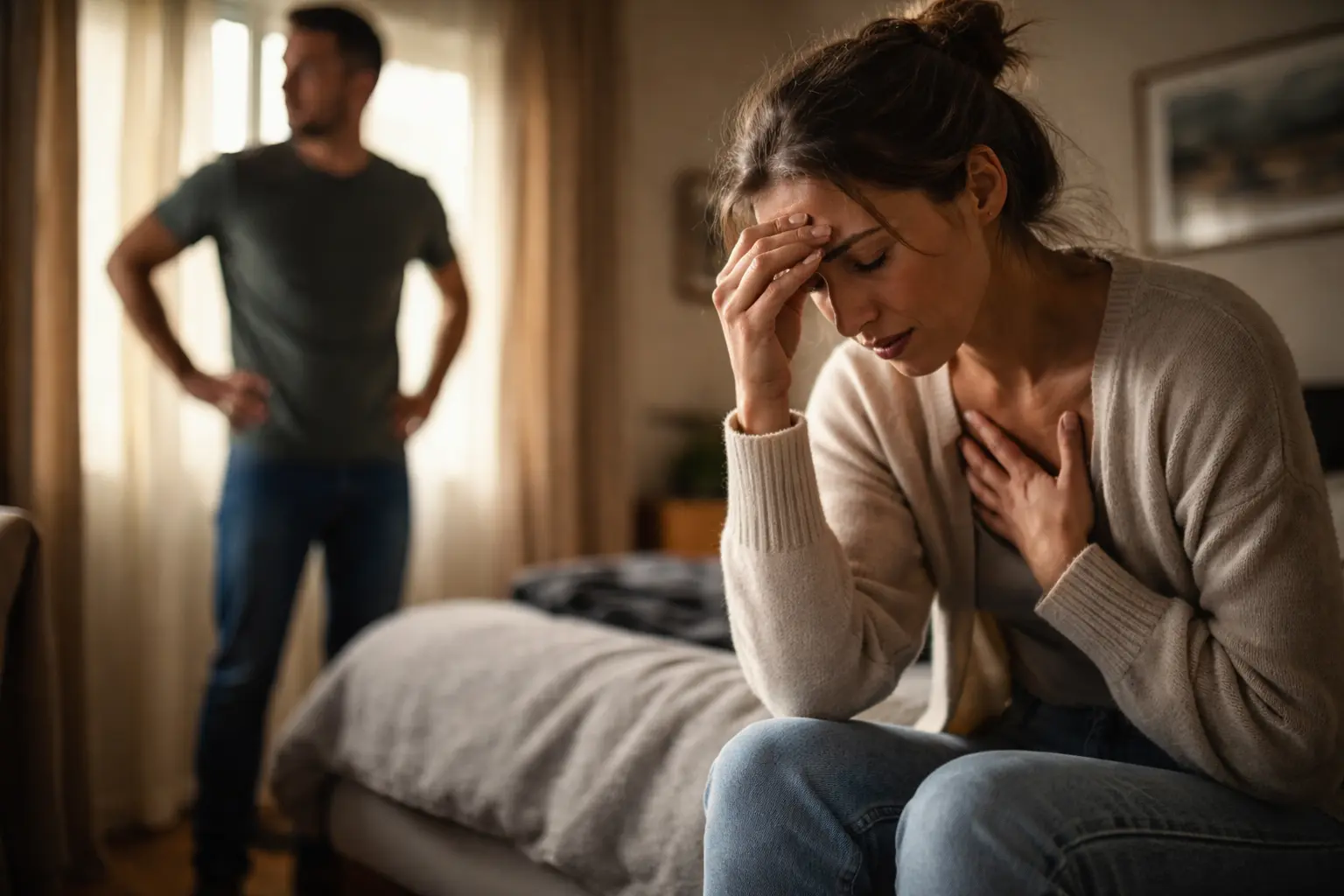
That constant knot in your chest, the racing thoughts at 3 AM, or suddenly feeling like the walls are closing in out of nowhere – anxiety versus panic attack can feel like two different monsters haunting your daily life, and most seniors don’t realize there’s actually a crucial difference between them.
Understanding anxiety: a constant companion
Anxiety tends to linger, whispering doubt and unease into everyday thoughts. It’s like a shadow that refuses to let go, making simple tasks feel monumental. For many seniors, anxiety feels like a low-level hum of worry that colors their entire day. You might wake up with that familiar tightness in your chest, spend the morning replaying conversations from yesterday, and find yourself unable to focus on your favorite book or TV show. One retired teacher described it as having a radio playing static in the background of her mind all day long. She couldn’t turn it off, even when surrounded by grandchildren. Seniors often find themselves caught in a cycle of worry, unable to escape its grasp. The physical toll compounds the mental burden: tension headaches, muscle aches, difficulty sleeping, and that exhausting feeling of always being on high alert.
- Persistent feelings of tension and apprehension throughout the day
- Difficulty controlling or calming anxious thoughts even when trying to relax
- Physical symptoms like sweating, trembling, and palpitations that build gradually
Navigating panic attacks: a storm of emotions
Panic attacks, on the other hand, hit like a tsunami, engulfing everything in their path. Unlike anxiety’s slow burn, a panic attack strikes suddenly and intensely. One moment you’re sitting in your living room, and the next moment your heart is pounding so hard you’re convinced you’re having a heart attack. For seniors, the sudden onslaught of intense fear and physical symptoms can be terrifying. It’s the feeling of losing control, of drowning in a sea of panic. A retired accountant shared how his first panic attack happened while he was at the grocery store. His vision blurred, his hands trembled uncontrollably, and he felt an overwhelming sense of doom that made him abandon his cart and rush home. The attack lasted maybe fifteen minutes, but it felt like an eternity. What makes panic attacks particularly frightening for seniors is the physical intensity combined with the fear that something serious is happening to their body.
💬 Ready to feel better in 2 minutes?choose where to begin:
Coping mechanisms: from deep breaths to grounding techniques
Seniors often develop coping strategies to manage their anxiety and panic attacks, though finding what works takes time and patience. Deep breathing exercises can help slow your racing heart during a panic attack. Try the 4-7-8 technique: breathe in for four counts, hold for seven, exhale for eight. Grounding techniques like focusing on the five senses help anchor you to the present moment when panic starts creeping in. Name five things you see, four you can touch, three you hear, two you smell, and one you taste. One widow found that holding ice cubes during panic attacks shocked her system back to reality. Others benefit from progressive muscle relaxation, where you tense and release different muscle groups. Sometimes, seeking professional help or therapy can provide valuable support. Cognitive behavioral therapy, in particular, has shown strong results for seniors managing both anxiety and panic. The key is experimenting to discover which techniques resonate with your unique situation.
The road to healing: self-compassion and resilience
Healing from anxiety and panic attacks is a journey that requires patience and self-compassion. Many seniors struggle with shame or embarrassment about their experiences, but these conditions are incredibly common and nothing to hide. Seniors can build resilience by acknowledging their struggles without judgment, practicing self-care routines that feel meaningful, and surrounding themselves with a supportive network of friends and family who understand. Small steps matter tremendously. One gentleman started with just ten-minute walks each morning, which helped regulate his nervous system. Another woman began journaling her worries, which paradoxically helped her feel less overwhelmed by them. It’s about taking small steps towards a more peaceful state of mind, celebrating progress even when it feels incremental. Building resilience also means learning to recognize your personal warning signs and having a plan in place before anxiety escalates. Over time, many seniors find that their relationship with anxiety shifts from one of fear and avoidance to one of understanding and acceptance.
Anxiety and panic attacks can be overwhelming experiences for seniors, affecting their daily lives and emotional well-being. Understanding the differences between these two conditions, developing coping mechanisms, and fostering resilience are key steps in navigating this challenging journey towards healing.
How can I differentiate between anxiety and a panic attack?
Anxiety often presents as persistent worry and tension that builds gradually, while panic attacks are characterized by sudden and intense fear accompanied by physical symptoms like sweating and palpitations that peak quickly. Consulting a healthcare professional for an accurate diagnosis is recommended.
What are some effective ways to manage anxiety and panic attacks?
Managing anxiety and panic attacks may involve deep breathing exercises, mindfulness techniques, grounding strategies using your five senses, and seeking therapy or counseling for additional support. It’s important to create a personalized plan that addresses individual triggers and coping mechanisms.
Others also read:
Disclaimer: This article is for informational purposes only and is not a substitute for professional medical advice. Always consult a healthcare professional for personal guidance.
This article presents an experience-based perspective and has been reviewed by the GlobalHealthBeacon editorial team in 2026. It provides structured, evidence-based information to support informed health decisions.

