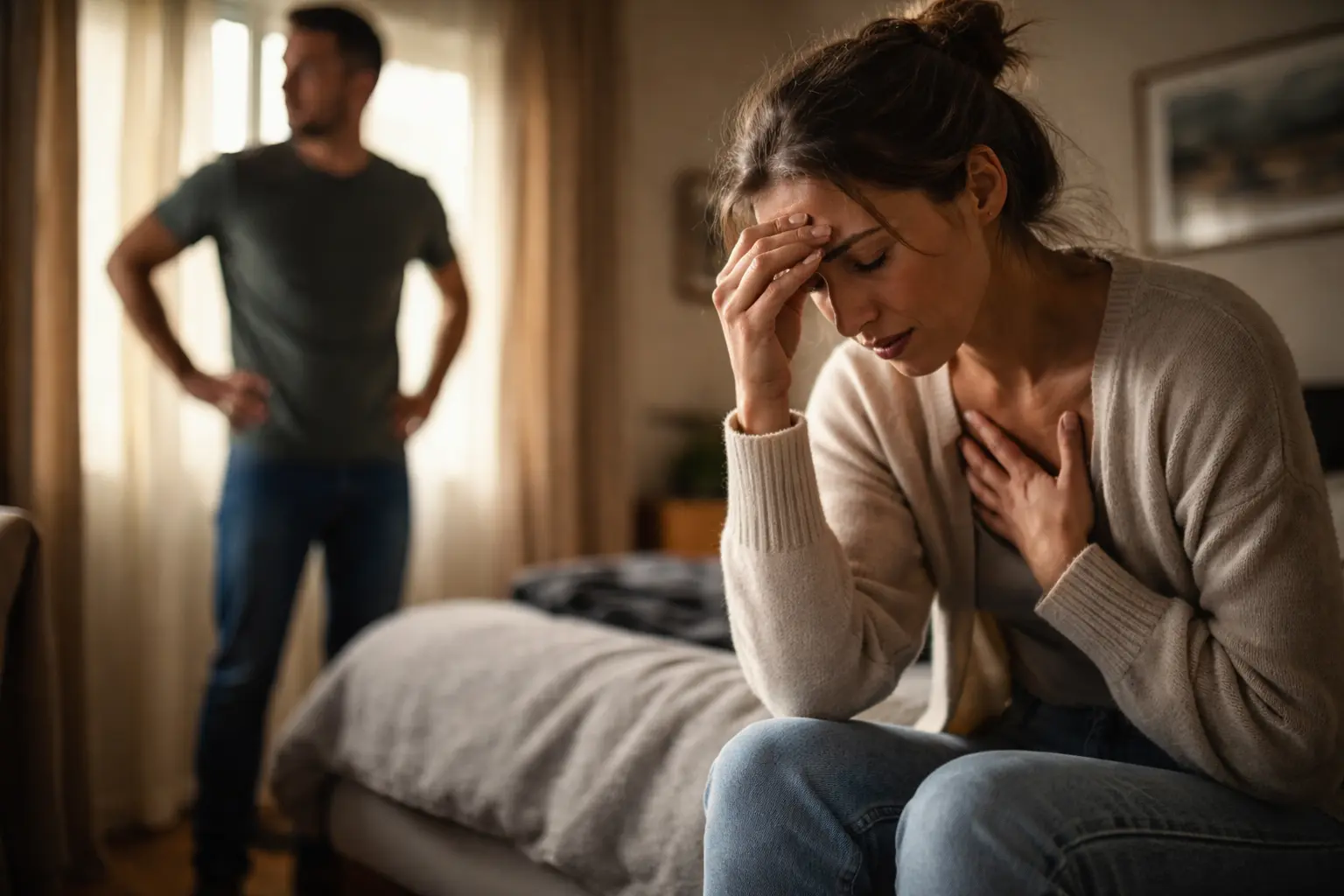
Your chest tightens, your mind races with a thousand what-ifs, and you can’t shake the feeling that something terrible is about to happen, but here’s the thing: understanding the difference between anxiety versus panic attack could be the key to finally feeling like yourself again.
Understanding the difference: anxiety and panic defined
I remember sitting at my desk on a Tuesday afternoon when Sarah, a marketing manager, realized she’d been holding her breath for the past hour. That’s anxiety. It’s the constant companion that whispers doubts, the background hum of worry that colors your entire day. You might feel it when facing a presentation, a difficult conversation, or even just scrolling through the news. But then there’s panic. Picture this: you’re at the grocery store, reaching for milk, when suddenly your heart explodes in your chest, your vision narrows, and your legs feel like they might give out. That’s panic striking like lightning. Anxiety builds and lingers like a shadow you can’t quite shake off, while panic erupts without warning and demands your full, terrified attention. Understanding this distinction matters because it changes how you respond to what’s happening in your body and mind.
- Anxiety thrives on uncertainty and worry, while panic erupts suddenly and intensely.
- Anxiety is a chronic condition that ebbs and flows, whereas panic attacks are acute episodes of intense fear.
- Anxiety can be triggered by specific stressors, while panic attacks often happen out of the blue.
Navigating the physical symptoms: racing heart or shortness of breath?
When anxiety takes hold, the physical signs can feel subtle at first. Your shoulders creep up toward your ears, your jaw clenches without you noticing, and you might find yourself breathing shallowly throughout the day. You could experience a racing heart, sweating, muscle tension, and a persistent sense of unease. One woman described it as feeling like she was perpetually bracing for impact. A panic attack, however, is different. It announces itself violently. Within minutes, your heart pounds so hard you swear everyone can hear it, your breath becomes shallow and quick, and dizziness or chest pressure might make you wonder if something is medically wrong. The sense of impending doom feels absolutely real and overwhelming. Recognizing these distinct physical symptoms is crucial because it helps you understand what’s actually happening in your body. That racing heart isn’t a heart attack; those shaky hands aren’t a sign of weakness. They’re your nervous system in overdrive, and knowing the difference can be incredibly grounding.
💬 Ready to feel better in 2 minutes?choose where to begin:
Coping strategies: breathing through anxiety or grounding during panic
Managing anxiety requires patience and consistency. Deep breathing exercises like the 4-7-8 technique, where you breathe in for four counts, hold for seven, and exhale for eight, can calm your nervous system over time. Mindfulness practices, journaling, and regular self-care aren’t luxuries; they’re maintenance for your mental health. One woman found that a daily 20-minute walk transformed her anxiety levels more than she expected. When you’re in the throes of a panic attack, however, those long-term strategies won’t cut it. You need immediate relief. Grounding techniques work by anchoring you to the present moment. The 5-4-3-2-1 method, where you name five things you see, four you can touch, three you hear, two you smell, and one you taste, redirects your panicked brain away from catastrophic thinking. Some women find that holding ice cubes, splashing cold water on their face, or pressing their feet firmly into the ground helps interrupt the panic cycle. The key difference is timing and intensity: anxiety needs daily tending, while panic needs immediate intervention.
Seeking support: therapy for anxiety versus immediate relief for panic
Therapy is a cornerstone in managing anxiety because it works slowly and deeply. Over weeks and months, a therapist helps you explore why certain situations trigger worry, what beliefs fuel your anxiety, and how to build genuine coping mechanisms that stick. Cognitive behavioral therapy, for instance, teaches you to challenge anxious thoughts before they spiral. One woman spent six months in therapy learning that her anxiety about being judged at work was rooted in perfectionism, and once she understood that, everything shifted. During a panic attack, therapy isn’t what you need in that moment. You need immediate relief and reassurance. A trusted friend, family member, or crisis line can provide grounding, remind you that panic attacks are temporary and not dangerous, and sometimes medication prescribed by a doctor can ease the acute symptoms. The distinction matters: anxiety is a marathon that requires professional guidance and consistent effort, while panic is a sprint that needs immediate stabilization and support. Both deserve attention, but they demand different approaches and different timing.
Anxiety and panic attacks differ in their nature and how they manifest physically and emotionally. Understanding these differences can empower you to navigate the challenges each presents effectively. While anxiety requires long-term strategies like therapy, panic attacks call for immediate relief through grounding techniques and reassurance.
Can anxiety lead to panic attacks?
Yes, chronic anxiety can sometimes escalate into panic attacks, especially when stressors overwhelm your coping mechanisms. Recognizing the signs early on and seeking appropriate support can help prevent panic attacks.
What should I do during a panic attack?
During a panic attack, focus on your breathing, ground yourself by naming objects around you, and remind yourself that it will pass. Seeking professional help and learning coping strategies can also be beneficial in managing panic attacks.
Others also read:
Disclaimer: This article is for informational purposes only and is not a substitute for professional medical advice. Always consult a healthcare professional for personal guidance.
This article presents an experience-based perspective and has been reviewed by the GlobalHealthBeacon editorial team in 2026. It provides structured, evidence-based information to support informed health decisions.

