You lie awake at 3 AM replaying a conversation from yesterday, your chest tight, your mind spinning through worst-case scenarios you can’t seem to stop, and you realize this pattern has been stealing your peace for months – cognitive behavioral therapy explained is the practical, proven way to break free from these thought traps and actually feel in control again.
Understanding cognitive behavioral therapy
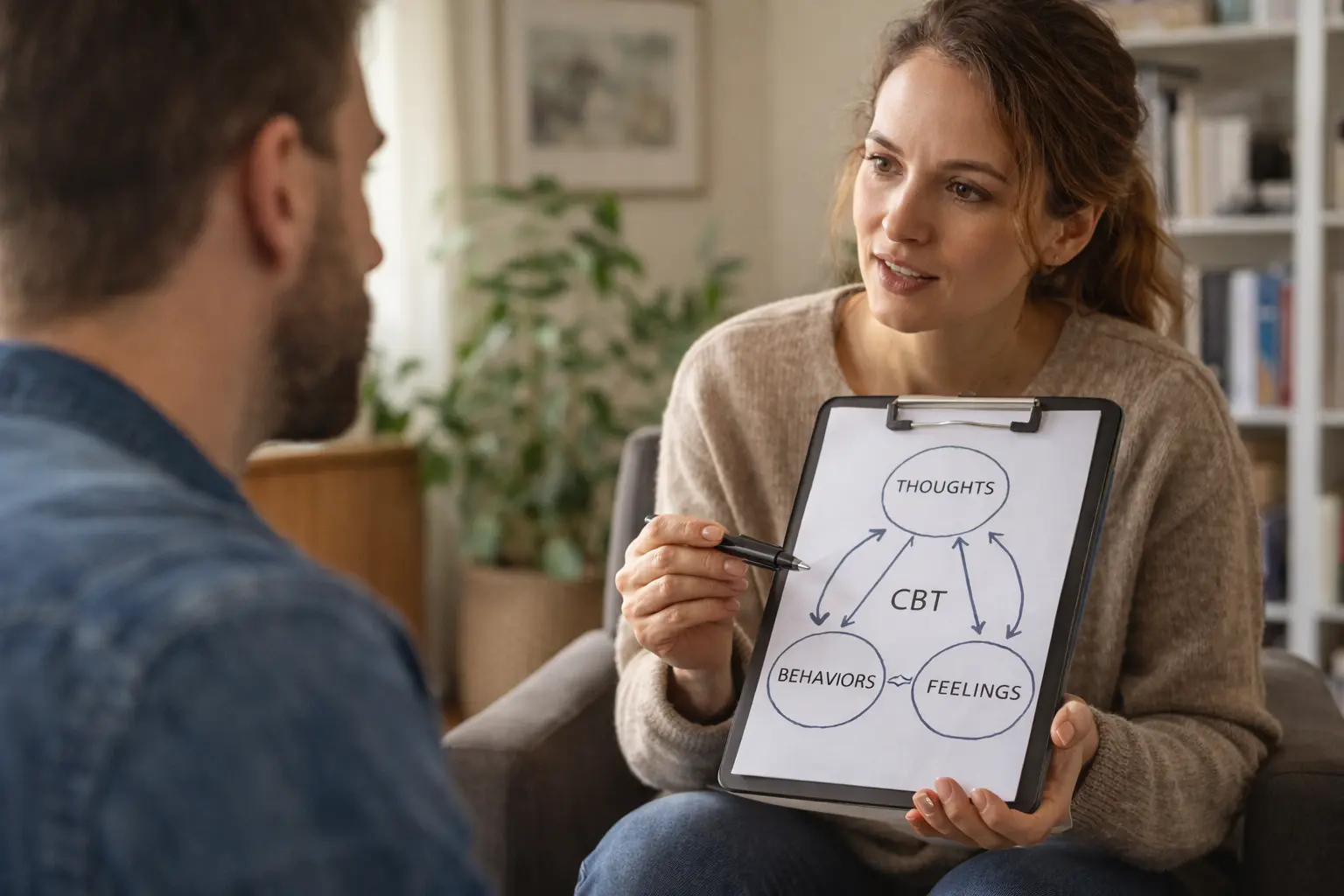
Cognitive Behavioral Therapy, or CBT, is built on a simple but powerful idea: the way you think directly shapes how you feel and act. Imagine you wake up and think, ‘I’m too old to learn anything new.’ That thought triggers feelings of discouragement, which then leads you to skip the computer class you were considering. CBT works by helping you spot these thought patterns and gently challenge them. Instead of accepting that negative thought as fact, you learn to examine it, question it, and replace it with something more realistic and helpful. For seniors, this is especially valuable because it gives you concrete tools to manage stress, anxiety, and depression without relying solely on medication. The beauty of CBT is that it’s not about forcing positive thinking or pretending problems don’t exist. It’s about becoming aware of your thought habits and learning to respond to them differently. You work with a therapist to identify the specific patterns that trip you up, then practice new ways of thinking that feel more balanced and true to your actual situation.
- CBT helps you recognize and change negative thoughts that contribute to emotional distress.
- This therapy is goal-oriented, focusing on developing practical skills to cope with difficulties.
- Sessions are structured, time-limited, and typically involve homework assignments to practice new coping strategies.
How CBT works
The process of CBT unfolds in clear, manageable steps. First, you and your therapist identify a specific problem or situation that’s been bothering you. Maybe it’s anxiety about your health, worry about being a burden to your family, or sadness after retirement. Next, you explore what happens in that situation: What thoughts run through your mind? What feelings come up? What do you do in response? For example, if you feel chest tightness during a family gathering, your mind might jump to ‘I’m having a heart attack,’ which triggers panic, which makes you leave early. CBT helps you interrupt this chain. You learn to notice the thought, examine whether it’s actually true, and consider alternative explanations. Perhaps the tightness is just tension from sitting in one position too long. By changing how you interpret the situation, you change your emotional response and your behavior. Your therapist guides you through this process with patience and practical exercises you can use at home. Over time, these new thinking patterns become more automatic, and you regain a sense of agency in your own life.
📘 Fix your day in under 2 minuteschoose where to begin:
Benefits of CBT for seniors
For seniors, CBT offers real, measurable improvements in daily life. Research consistently shows that seniors who engage in CBT experience less anxiety, reduced depression symptoms, and better sleep quality. But beyond the clinical benefits, there’s something deeper: a return to confidence and independence. Consider a senior who stopped going to social events because of social anxiety. After CBT, they learn that their fear of judgment is often exaggerated, and they start attending their book club again. Or someone struggling with chronic pain who learns through CBT that catastrophic thinking amplifies their suffering. By changing their mental approach, they don’t eliminate the pain, but they reduce the emotional weight it carries. CBT also helps seniors manage life transitions like loss of a spouse, health changes, or shifting roles within the family. It provides adaptive coping strategies that work across different situations, so you’re not just treating one problem but building a toolkit for resilience. Many seniors report feeling more present, more engaged with loved ones, and more capable of handling whatever comes their way.
Finding a CBT therapist
Choosing the right therapist is crucial for your success. Start by looking for someone with specific training in CBT and, ideally, experience working with older adults. You can ask your primary care doctor for referrals, contact your insurance provider for in-network therapists, or search directories like the Association for Behavioral and Cognitive Therapies. When you first contact a potential therapist, ask about their credentials, their approach to working with seniors, and how they handle common challenges like hearing loss or mobility issues. A good fit means they listen carefully, explain things clearly without talking down to you, and adjust their methods to suit your needs. Some therapists offer telehealth sessions, which can be convenient if transportation is difficult. During your first session, pay attention to how you feel. Do you feel heard and respected? Does the therapist explain CBT in a way that makes sense to you? Trust your instincts. It’s perfectly fine to try a few therapists before finding the right match. The therapeutic relationship itself is a key ingredient in your success, so don’t settle for someone you’re not comfortable with.
Practicing self-care with CBT
CBT isn’t something that happens only in the therapist’s office. Between sessions, you’ll have homework assignments designed to reinforce what you’re learning. This might include keeping a thought record where you write down situations, your automatic thoughts, and more balanced alternatives. Or you might practice relaxation techniques like deep breathing or progressive muscle relaxation, which calm both your mind and body. Self-care amplifies the benefits of CBT. A daily 20-minute walk in nature, for instance, reduces anxiety while giving you time to practice mindfulness. Gentle yoga or tai chi combines movement with mental focus. Even simple activities like gardening, reading, or spending time with grandchildren can be part of your self-care routine. The key is consistency and intention. Rather than waiting until you feel overwhelmed, build these practices into your weekly schedule. Some seniors find it helpful to join a group class for exercise or meditation, which adds social connection to their self-care. Others prefer quiet solo practices. The point is to find what genuinely helps you feel calmer and more grounded, then make it a regular part of your life. When you combine the skills you learn in CBT with consistent self-care, you create a powerful foundation for lasting emotional well-being.
Cognitive Behavioral Therapy (CBT) is a powerful tool for seniors to manage stress, anxiety, and other mental health challenges by changing negative thought patterns. This therapy offers practical skills to improve emotional well-being and enhance overall quality of life.
Is CBT suitable for seniors with memory issues?
CBT can be adapted to accommodate seniors with memory issues by using strategies such as written notes, reminders, and repetition to aid in the learning process.
How long does CBT typically last for seniors?
CBT sessions for seniors are usually time-limited, ranging from 12 to 20 sessions, depending on individual needs and progress.
Others also read:
Disclaimer: This article is for informational purposes only and is not a substitute for professional medical advice. Always consult a healthcare professional for personal guidance.
This guide has been prepared and reviewed by the GlobalHealthBeacon editorial team and reflects current medical research as of 2026. It provides structured, evidence-based information to support informed health decisions.
← Go to the cognitive behavioral therapy explained main guide

