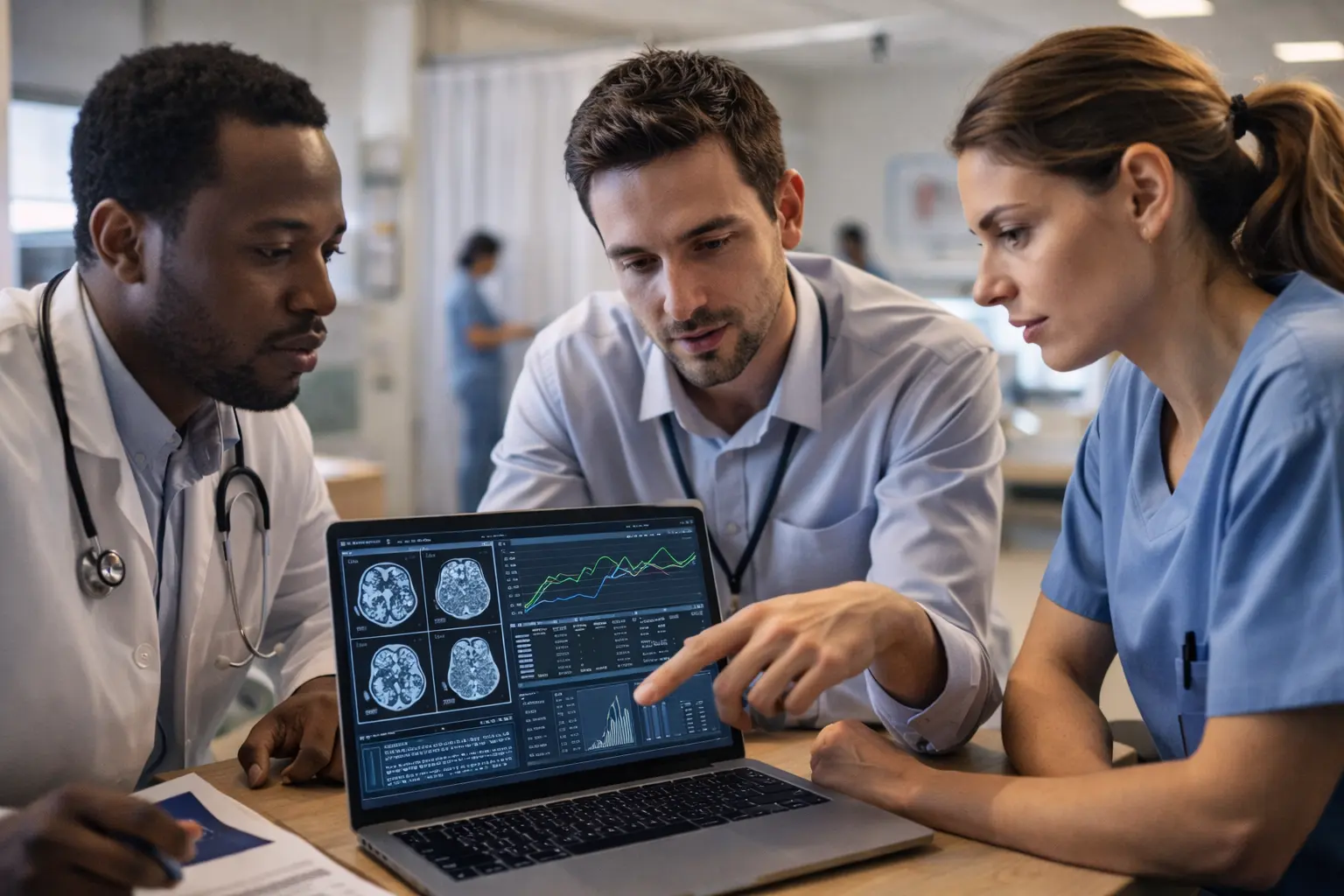
You’re sitting in your doctor’s office wondering why your medications keep changing, why test results take forever, and whether anyone actually knows what’s going on with your health anymore, but good machine learning practice in healthcare is quietly changing that frustration into real, personalized care.
Benefits of machine learning in healthcare for seniors
Imagine getting a treatment plan that actually feels designed just for you, not a one-size-fits-all approach that worked for someone else. That’s what machine learning does for seniors. Take Margaret, a 72-year-old with diabetes and heart concerns. Instead of the standard diabetes protocol, her healthcare team used machine learning to analyze her unique medical history, family genetics, and lifestyle patterns. The system flagged that her specific combination of conditions meant she needed a different medication mix than typical patients. She noticed better energy levels within weeks. Beyond personalization, machine learning catches diseases early, sometimes before you feel anything wrong. These systems spot patterns in imaging, blood work, and health records that human eyes might miss. For medication management, AI tracks what you’re actually taking, reminds you of doses, and alerts your doctor if something isn’t working. Seniors benefit from fewer hospital visits and better quality of life.
- Personalized treatment plans tailored to individual needs
- Early detection of diseases for timely intervention
- Improved medication management and adherence
Challenges faced by seniors in embracing machine learning
Let’s be honest: technology can feel intimidating when you didn’t grow up with it. Many seniors tell us they worry about clicking the wrong button and breaking something, or worse, accidentally sharing private health information. There’s also real concern about who’s looking at your data. You’ve heard stories about data breaches, and it’s natural to wonder if your medical records are truly safe. Then there’s the trust issue. How do you know a computer algorithm understands your body better than your doctor? Some seniors feel like they’re being replaced by machines rather than helped by them. These aren’t small concerns. They’re legitimate barriers that keep people from accessing technology that could genuinely improve their health. The good news is these challenges are solvable. User-friendly apps designed specifically for older adults, clear explanations from healthcare providers, and transparent policies about data use can turn skepticism into confidence. When seniors understand that machine learning is a tool that helps their doctor, not replaces them, the resistance often melts away.
💬 Ready to feel better in 2 minutes?choose where to begin:
Strategies for seniors to overcome technological barriers
Start small and don’t go it alone. Ask a family member or trusted caregiver to sit with you during the initial setup. Have them write down the passwords, bookmark the website, and show you step-by-step how to log in. Many seniors find that once they’ve done it three or four times, it becomes routine. Digital literacy programs specifically designed for older adults are popping up everywhere, from community centers to libraries to online platforms. These aren’t intimidating tech courses; they’re gentle, paced for your speed, with instructors who actually understand your perspective. You’ll learn how to navigate health portals, understand what information is being collected, and feel more in control. Support groups matter too. Talking with other seniors who are using these systems helps normalize the experience. You’ll hear real stories about what worked, what didn’t, and how people solved problems. Online forums and local health education sessions can connect you with people who get it. Don’t underestimate the power of asking questions, no matter how basic they seem.
Empowering seniors through education and engagement
Knowledge is power, and when you understand how machine learning actually helps your care, you stop seeing it as scary and start seeing it as an ally. Interactive workshops make a huge difference. Instead of reading a pamphlet, you’re in a room with a healthcare professional who walks through real examples. They might show you how a machine learning system caught early signs of heart disease in someone similar to you, or how medication adjustments based on AI analysis helped another patient feel better. Webinars let you learn from home, pause when you need to, and rewatch sections. Informational sessions at your doctor’s office or hospital demystify the process. You get to ask the people actually using the technology your questions. When seniors actively participate in understanding their own care, something shifts. You’re no longer a passive patient receiving treatment. You’re a partner in your health journey, making informed decisions alongside your healthcare team. That engagement leads to better outcomes because you’re more likely to follow through, report side effects, and stay committed to your treatment plan.
Machine learning in healthcare offers seniors personalized treatment plans, early disease detection, and improved medication management. Overcoming technological barriers and empowering seniors through education and engagement are key to adapting to this innovative technology.
How can seniors benefit from machine learning in healthcare?
Seniors can benefit from machine learning in healthcare through personalized treatment plans, early disease detection, and improved medication management. This technology enhances the quality of care and improves health outcomes for seniors.
What challenges do seniors face in adopting machine learning technology?
Seniors may face challenges in adopting machine learning technology due to a lack of familiarity with digital tools, concerns about data privacy, and security. Addressing these challenges through user-friendly interfaces and transparent data practices is essential for seniors to embrace this innovative technology.
Others also read:
Disclaimer: This article is for informational purposes only and is not a substitute for professional medical advice. Always consult a healthcare professional for personal guidance.
This article presents an experience-based perspective and has been reviewed by the GlobalHealthBeacon editorial team in 2026. It provides structured, evidence-based information to support informed health decisions.
← Back to the main good machine learning practice in healthcare page
