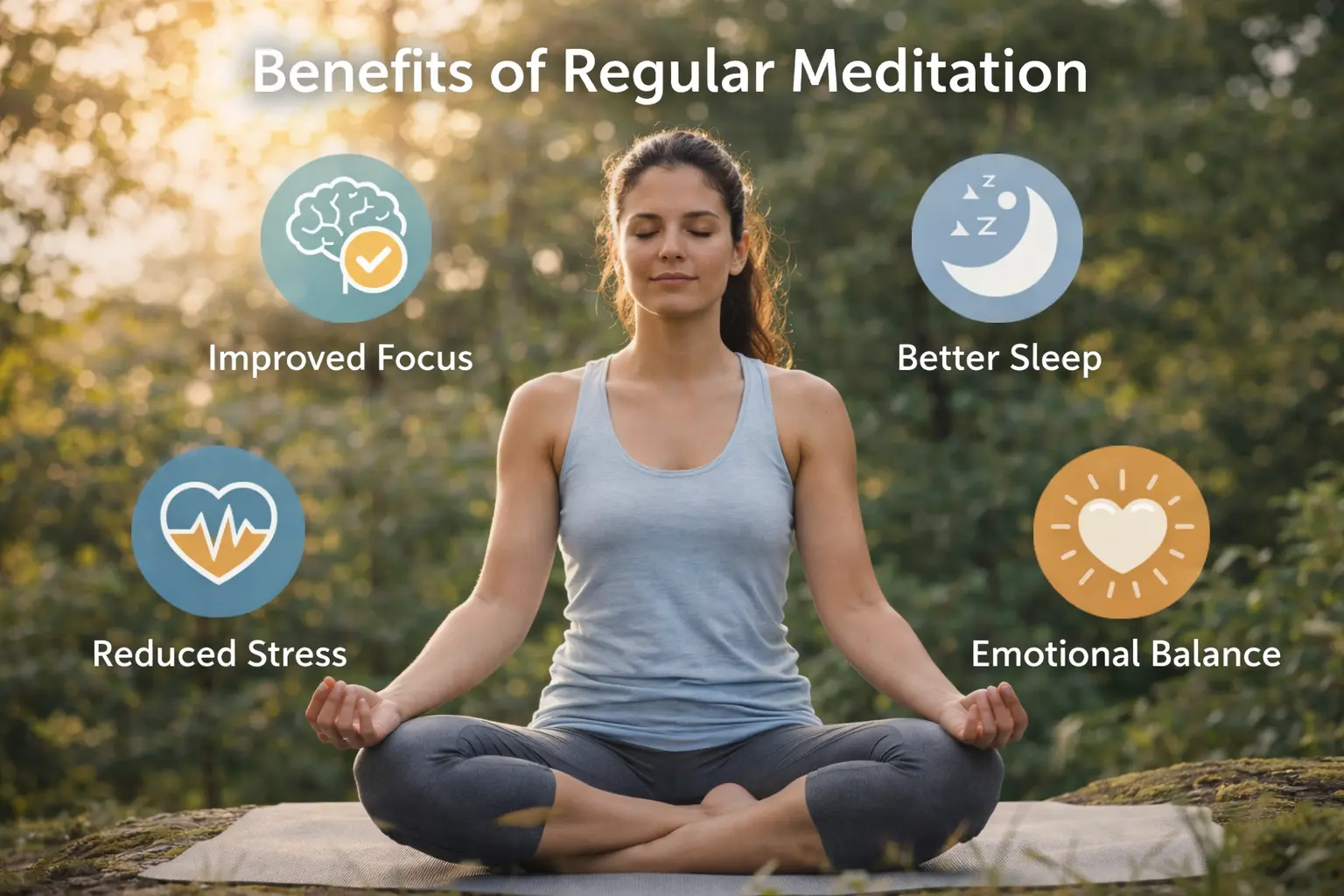
Your mind feels foggy, your body aches, sleep won’t come, and that constant low-level anxiety just won’t quit – but what if the solution was as simple as sitting quietly for a few minutes each day? The benefits of regular meditation are scientifically proven to transform how seniors experience aging, and it might be exactly what you’ve been searching for.
Enhanced brain function
Think about the last time you walked into a room and forgot why you were there, or struggled to recall a name you’ve known for years. These moments feel frustrating and sometimes scary, but they’re incredibly common as we age. Research shows that meditation actually changes brain structure in ways that combat this decline. When seniors practice meditation regularly, they strengthen neural pathways and increase gray matter density in regions responsible for memory, attention, and emotional processing. Consider Margaret, a 72-year-old who started meditating for just ten minutes daily. Within three months, she noticed she could follow conversations more easily, remember grocery lists without writing them down, and felt sharper during her book club discussions. Brain imaging studies reveal that meditation increases connectivity between different brain regions, essentially creating new communication highways. This enhanced connectivity means better focus when reading, improved ability to learn new skills, and stronger retention of important information. The key is consistency rather than duration – even brief daily sessions compound over time.
Stress reduction and emotional well-being
Retirement brings freedom, but it also brings a unique cocktail of stressors that younger people rarely face. Health worries, loss of identity tied to work, concerns about finances, and the grief of losing friends and loved ones can accumulate into a heavy emotional burden. Meditation addresses this by directly calming the nervous system through a process called parasympathetic activation. When you meditate, your body shifts from fight-or-flight mode into rest-and-digest mode, lowering cortisol levels and reducing the physical symptoms of anxiety. Picture Robert, a 68-year-old widower who felt overwhelmed by loneliness and worry about his health. After joining a meditation group and practicing guided breathing exercises, he reported feeling less reactive to troubling thoughts and more capable of handling difficult emotions without being swept away by them. The practice creates what neuroscientists call emotional resilience – the ability to experience difficult feelings without being controlled by them. Seniors who meditate regularly report less rumination, fewer panic attacks, and a greater sense of peace even when facing real challenges. This isn’t about denying problems; it’s about developing a different relationship with them.
Physical health benefits
The mind-body connection isn’t just philosophical – it’s measurable and real. When stress hormones flood your system chronically, they damage blood vessels, increase inflammation, and suppress immune function. Meditation interrupts this harmful cycle. Studies consistently show that seniors who meditate experience lower blood pressure, reduced resting heart rate, and improved cholesterol profiles. Beyond cardiovascular benefits, meditation reduces systemic inflammation, which underlies many age-related conditions including arthritis, heart disease, and cognitive decline. Consider Helen, a 75-year-old with hypertension who was reluctant to add more medications. Her doctor suggested meditation alongside her existing treatment plan. Six months of daily practice brought her blood pressure down by 12 points, allowing her to reduce one medication. Meditation also strengthens immune function by increasing antibody production and enhancing natural killer cell activity – your body’s defense against infections and abnormal cells. The anti-inflammatory effects extend to joint health and tissue repair, meaning seniors often report feeling physically stronger and more resilient. These aren’t dramatic overnight changes, but rather a gradual restoration of physical vitality that compounds over months and years of practice.
- Incorporate meditation into your daily routine, starting with just a few minutes a day.
- Find a quiet, comfortable space where you can sit or lie down without distractions.
- Focus on your breath or a calming mantra to anchor your mind and relax your body.
🔬 Science-backed benefits in 2 minuteschoose where to begin:
Improved sleep quality
Insomnia is one of the most common complaints among seniors, yet it’s rarely discussed openly. You lie awake at 3 AM, mind racing with worries, body tense, knowing you have only a few hours before dawn. This exhaustion then colors your entire next day, making everything feel harder. Meditation addresses sleep problems from multiple angles simultaneously. It calms the racing mind that keeps you awake, relaxes the physical tension that prevents deep sleep, and helps regulate circadian rhythms that often become disrupted with age. Research shows that seniors who practice meditation fall asleep faster, experience fewer nighttime awakenings, and spend more time in deep, restorative sleep stages. James, a 70-year-old insomniac, tried meditation as a last resort after years of sleep medication side effects. He began with a simple body scan meditation before bed, progressively relaxing each muscle group while breathing slowly. Within two weeks, he noticed falling asleep more easily; within two months, he was sleeping through most nights. The practice works partly through reducing cortisol and increasing melatonin production, but also by breaking the anxiety cycle that perpetuates insomnia. When you stop fighting sleep and instead cultivate acceptance through meditation, your nervous system finally relaxes enough to allow natural sleep to occur.
Pain management and resilience
Chronic pain changes everything – how you move, what activities you can enjoy, your mood, your sense of independence. Many seniors assume they must simply endure pain as an inevitable part of aging, but meditation offers a different approach. Rather than trying to eliminate pain through willpower alone, meditation teaches you to change your relationship with it. Pain has two components: the physical sensation itself and your mental reaction to it. Meditation reduces both. Studies show that meditators experience less pain intensity and, more importantly, less suffering from that pain. This happens because meditation activates brain regions involved in pain modulation while reducing activity in areas that amplify pain perception. Dorothy, a 76-year-old with arthritis, felt trapped by her condition until she discovered mindfulness meditation. Instead of tensing against the pain and resisting it, she learned to observe it with curiosity and acceptance. This shift in perspective didn’t eliminate her arthritis, but it dramatically reduced how much it controlled her life. She could engage in more activities because she wasn’t exhausted from fighting the pain. Meditation also reduces inflammation, which addresses pain at its source. The combination of reduced inflammation, altered pain perception, and greater psychological acceptance creates genuine relief and restored quality of life.
Social connection and community building
Loneliness is a silent epidemic among seniors, contributing to depression, cognitive decline, and even premature mortality. Yet meditation, often thought of as a solitary practice, actually creates powerful opportunities for connection. Group meditation classes bring seniors together in a shared experience of calm and intention, creating bonds that extend beyond the meditation cushion. The practice itself fosters what researchers call social mindfulness – greater awareness of others’ needs and emotions, which naturally strengthens relationships. When you meditate regularly, you become less reactive and more present with people, listening better and responding with more compassion. Consider a meditation group at a senior center where eight people gather weekly. What starts as strangers sitting in silence becomes a community. Members check on each other between sessions, share challenges, celebrate victories, and develop genuine friendships. The shared vulnerability of practicing together creates authentic connection. Additionally, meditation reduces the social anxiety and self-consciousness that sometimes isolate seniors. As you become more comfortable with yourself through practice, you naturally engage more openly with others. Group meditation also provides structure and accountability, making it easier to maintain a consistent practice. The combination of individual benefit and community connection makes meditation a powerful antidote to the isolation many seniors experience.
Regular meditation offers seniors a multitude of benefits, including enhanced brain function, reduced stress, improved physical health, better sleep quality, pain management, and increased social connection. These scientifically documented advantages make meditation a valuable practice for older adults looking to enhance their overall well-being.
Can meditation help seniors with memory loss?
While meditation may not reverse memory loss, it can improve cognitive function, enhance focus, and help seniors better retain information, thereby potentially slowing down the progression of memory decline.
Is there a specific type of meditation that is best for seniors?
Various forms of meditation, such as mindfulness, loving-kindness, or guided imagery, can be beneficial for seniors. It’s essential to explore different types to find what resonates most with individual preferences and needs.
Others also read:
Disclaimer: This article is for informational purposes only and is not a substitute for professional medical advice. Always consult a healthcare professional for personal guidance.
This article has been prepared and reviewed by the GlobalHealthBeacon editorial team and is based on current medical research and published scientific literature available in 2026. It provides structured, evidence-based information to support informed health decisions.
