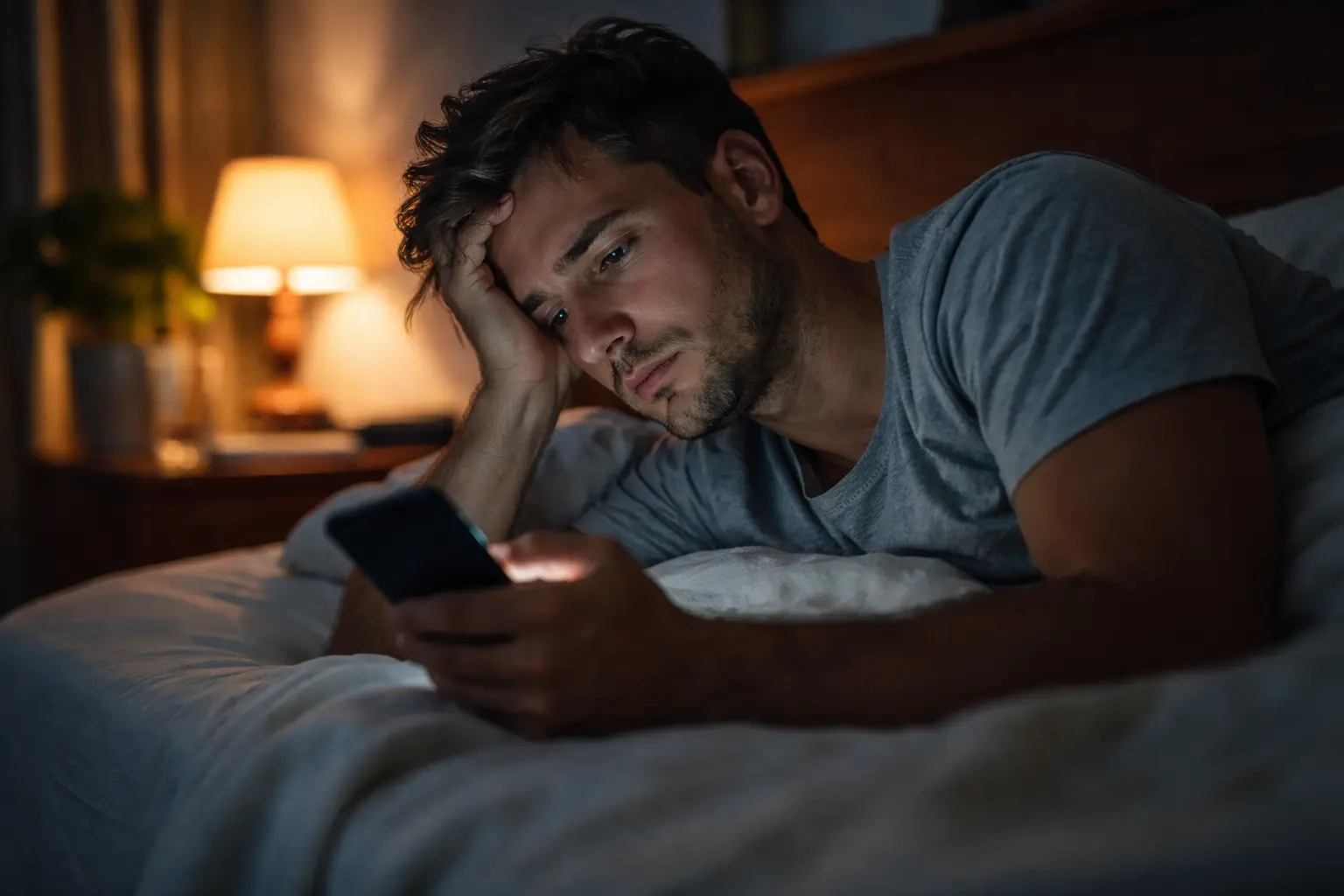
Your eyes burn after eight hours of work, your neck aches, you cannot fall asleep until midnight, and you feel anxious for no clear reason—these are the silent health implications of using screens that most young adults brush off as normal.
Understanding the risks
The risks of excessive screen time are real and measurable, affecting your body in ways you might not immediately notice. Digital eye strain occurs when your eyes work overtime focusing on pixels without the natural breaks they evolved to take. Imagine staring at a fixed point for hours without blinking fully—your eyes dry out, your vision blurs, and headaches creep in. Beyond your eyes, screens disrupt your circadian rhythm. When you scroll through your phone at 11 PM, the blue light tricks your brain into thinking it is still daytime, suppressing melatonin production and leaving you wired when you should be sleeping. Simultaneously, screen-based activities are sedentary by nature. A young adult spending six hours daily on screens while sitting burns significantly fewer calories than someone alternating between work and movement, gradually contributing to weight gain and metabolic issues. Research also links prolonged screen exposure to increased anxiety and depression, particularly when social media consumption replaces face-to-face interaction.
- Digital eye strain can cause symptoms like dry eyes, headaches, and blurred vision.
- Using screens before bed can disrupt the body’s natural sleep-wake cycle, leading to insomnia and poor quality sleep.
- Extended periods of sitting while using screens can increase the risk of obesity and related health issues.
Setting healthy boundaries
Protecting yourself starts with concrete, actionable boundaries rather than vague intentions to use screens less. The 20-20-20 rule is a practical starting point: every 20 minutes, shift your gaze to something 20 feet away for 20 seconds. This simple pause allows your eye muscles to relax and refocus. Beyond your eyes, establish a hard cutoff time for screens at least one hour before bed—use this time to read, stretch, or prepare your sleep environment instead. Consider using your phone’s built-in screen time tracker to see your actual usage patterns; most young adults are shocked by the numbers. Set app limits on social media and entertainment apps if you find yourself mindlessly scrolling. Create phone-free zones in your home, especially your bedroom, to protect sleep quality. If your work requires constant screen time, schedule a 15-minute walk or movement break every two hours. These boundaries feel restrictive initially but quickly become habits that restore your energy and focus.
📘 Fix your day in under 2 minuteschoose where to begin:
Balancing screen use
Balance does not mean eliminating screens—it means intentionally offsetting them with offline activities that restore your physical and mental energy. For every hour of recreational screen time, commit to 30 minutes of movement, whether that is a walk, gym session, or even stretching at your desk. Offline hobbies like reading physical books, cooking, drawing, or playing an instrument engage different parts of your brain and provide genuine rest from digital stimulation. Social interaction offline matters more than you might think; video calls are convenient but do not replace the neurological benefits of in-person conversation and physical presence. Consider designating specific times for screens and non-screens. For example, mornings before 8 AM might be screen-free, allowing you to start your day with intention rather than notifications. Weekends might include one full afternoon without devices. This rhythm prevents screen time from becoming your default activity and creates natural space for the activities that actually restore you. Young adults who successfully balance screen use report better sleep, improved mood, and stronger relationships.
Protecting your eyes
Your eyes are working harder than ever, so protecting them requires multiple layers of defense rather than a single fix. Start with your screen itself: reduce brightness to match your environment rather than having it at maximum, which strains your eyes unnecessarily. Enable blue light filters or use blue light glasses, which reduce the wavelengths that disrupt sleep and cause eye fatigue. Position your screen at arm’s length and slightly below eye level, which is the natural resting position for your eyes and reduces neck strain. Your environment matters too—ensure your workspace has adequate ambient lighting so your screen is not the brightest object you are looking at. Blink consciously and fully, as screen work reduces blinking by up to 66 percent. If you wear glasses or contacts, have your prescription checked annually because screen work can change your vision needs. Use artificial tears if your eyes feel dry, and consider a humidifier in dry environments. These habits seem small individually but compound into significant eye health protection over months and years.
Seeking professional help
If you have tried boundary-setting and eye protection strategies but still experience persistent discomfort, sleep problems, or mood changes, professional guidance becomes necessary rather than optional. Schedule an eye exam with an optometrist or ophthalmologist if you have ongoing vision problems, eye pain, or headaches—these might indicate digital eye strain, dry eye syndrome, or other conditions requiring treatment. If sleep disturbances continue despite reducing evening screen time, talk to your doctor about sleep hygiene or potential sleep disorders. Mental health professionals can help if you notice anxiety, depression, or social isolation linked to screen habits, particularly around social media use. Some workplaces offer ergonomic assessments that can optimize your desk setup for long-term screen work. Do not assume that persistent symptoms are normal or inevitable; many screen-related issues are treatable once properly identified. Your healthcare provider can also rule out underlying conditions that might make you more sensitive to screen exposure.
Excessive screen time can have detrimental effects on young adults, impacting their physical and mental well-being. By setting boundaries, balancing screen use, protecting their eyes, and seeking professional help when needed, young adults can mitigate these risks and maintain a healthy relationship with screens.
Can screen time affect mental health?
Yes, excessive screen time has been linked to anxiety, depression, and social isolation, affecting young adults’ mental well-being.
How can I reduce eye strain from screens?
To reduce eye strain, take regular breaks, adjust screen settings, use blue light filters, follow the 20-20-20 rule, and ensure proper lighting in your environment.
Others also read:
Disclaimer: This article is for informational purposes only and is not a substitute for professional medical advice. Always consult a healthcare professional for personal guidance.
This guide has been prepared and reviewed by the GlobalHealthBeacon editorial team and reflects current medical research as of 2026. It provides structured, evidence-based information to support informed health decisions.
