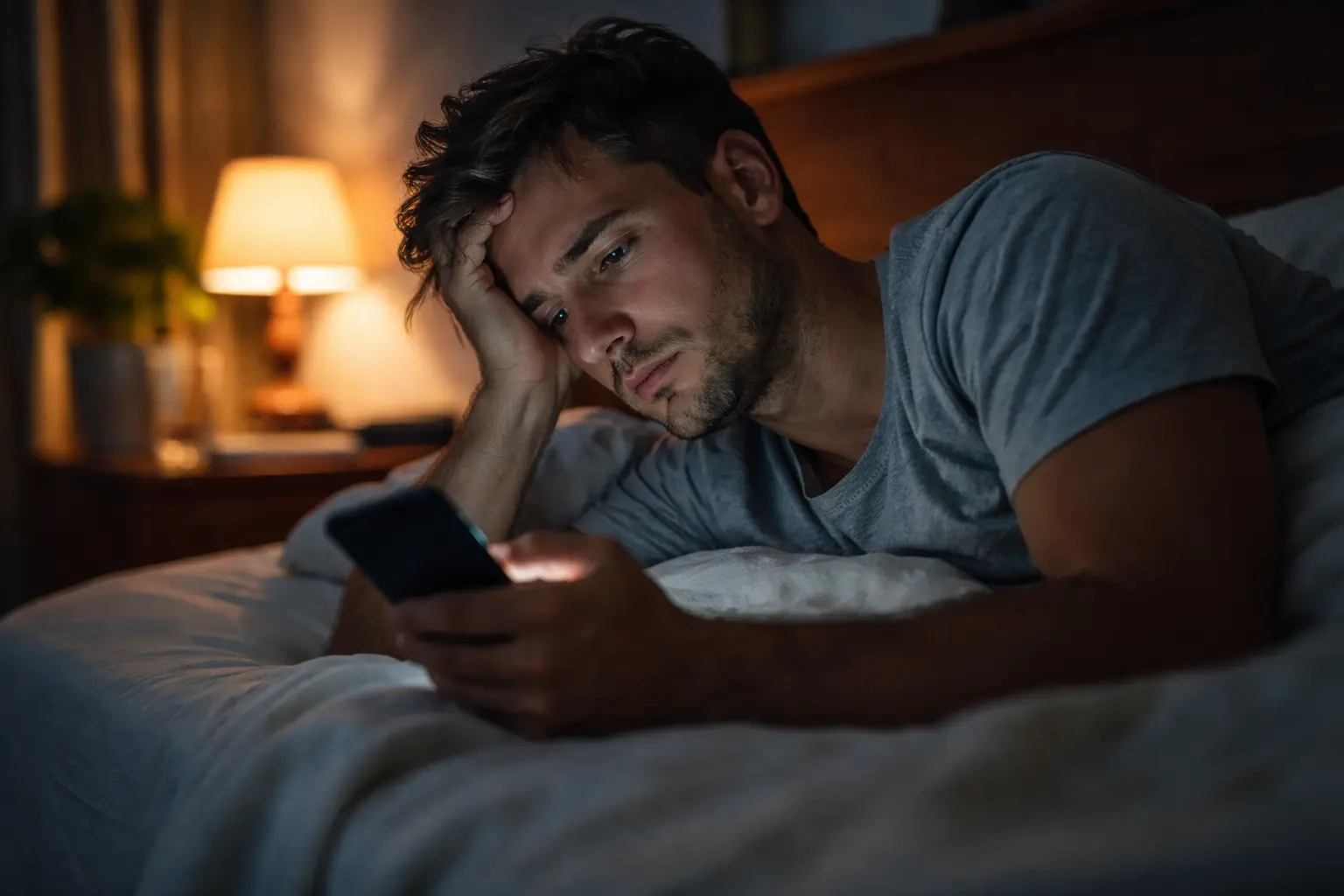
Your eyes burn, your neck aches, and you cannot sleep at night, yet you cannot seem to put your phone down, and the health implications of using screens are catching up with you faster than you realized.
Digital eye strain
Digital eye strain, often called computer vision syndrome, affects millions of women who spend hours daily in front of screens. When you focus on a screen, your eyes work harder because the light is self-emitted rather than reflected, and you blink less frequently, reducing natural tear production. Research published in ophthalmology journals shows that prolonged screen exposure causes symptoms like dryness, blurred vision, and persistent headaches that can last hours after you stop working. The blue light emitted from screens penetrates deeper into the eye and can affect the retinal cells responsible for vision clarity. Consider Sarah, a 45-year-old marketing manager who noticed her vision blurring by mid-afternoon. After tracking her screen time, she discovered she was spending 8 hours daily without proper breaks. By implementing the 20-20-20 rule and adjusting her monitor height, her symptoms improved significantly within two weeks.
Musculoskeletal issues
Hours of screen time create a perfect storm for musculoskeletal problems, particularly in women whose bodies often carry tension differently than men. Poor posture while typing or scrolling forces your neck into forward flexion, straining the cervical spine and upper back muscles. Carpal tunnel syndrome develops when repetitive wrist movements compress the median nerve, causing tingling and weakness in your hands. Research shows that women are 1.5 times more likely to develop carpal tunnel than men, partly due to smaller wrist anatomy and hormonal factors. A common mistake is positioning your monitor too low or too far away, forcing your eyes and neck to compensate. Consider Jennifer, a 52-year-old accountant who developed severe neck pain after working from home. Her desk setup had her screen at eye level, but her chair was too low, creating constant strain. After investing in an ergonomic chair and monitor stand, her pain decreased by 70 percent within three weeks.
Impact on mental health
The connection between excessive screen time and mental health challenges in women is increasingly documented in psychological research. Social media comparison, constant notifications, and the pressure to stay connected create a cycle of anxiety and diminished self-esteem. Studies show that women who spend more than 5 hours daily on social media report higher rates of depression and loneliness. The algorithmic nature of social platforms amplifies content that triggers emotional responses, keeping you engaged but emotionally drained. Women often internalize unrealistic beauty standards and life comparisons seen online, leading to body image issues and reduced confidence. Emma, a 38-year-old mother, noticed her anxiety spiking after scrolling through social media for 30 minutes each morning. She felt inadequate comparing her life to curated posts. By setting a 15-minute daily limit and replacing morning scrolling with journaling, her anxiety decreased noticeably within two weeks.
- Practice mindfulness exercises to reduce stress and anxiety.
- Take regular breaks and incorporate physical activity into your routine.
- Set boundaries for screen use, especially before bedtime.
🔬 Science-backed benefits in 2 minuteschoose where to begin:
Sleep disruption
Blue light from screens suppresses melatonin production, the hormone that signals your body it is time to sleep. When you use devices in the evening, you are essentially telling your brain it is still daytime, disrupting your natural circadian rhythm. Research shows that using screens within two hours of bedtime delays sleep onset by an average of 30 to 60 minutes and reduces sleep quality significantly. Women experience sleep disruption more acutely due to hormonal fluctuations throughout their menstrual cycle and during perimenopause. The habit of checking your phone before bed creates a mental stimulation that keeps your brain active when it should be winding down. Michelle, a 48-year-old executive, struggled with insomnia for years until she realized her 11 PM email checking was the culprit. She implemented a strict no-screens rule after 9 PM and used blue light filters on remaining devices. Within one week, she fell asleep 25 minutes earlier and reported better sleep quality.
Obesity risk
Sedentary screen time directly correlates with weight gain and obesity risk, particularly in women managing multiple responsibilities. When you are absorbed in screens, you are not moving, and your metabolism slows significantly. Studies show that women who spend more than 7 hours daily on screens have a 40 percent higher obesity risk compared to those with minimal screen time. The habit of snacking while scrolling compounds the problem, as you consume calories mindlessly without satiety signals registering. Screen time also disrupts hunger hormones like leptin and ghrelin, making you crave more food even when full. Patricia, a 55-year-old teacher, gained 20 pounds over two years of increased screen use during remote teaching. She started taking 10-minute walking breaks between classes and replaced evening scrolling with evening walks. Combined with mindful eating, she lost the weight within six months while improving her overall fitness.
Vision changes
Prolonged screen use can trigger or worsen myopia and contribute to permanent vision changes over time. Your eye muscles work continuously to focus on screens, and without adequate breaks, they become fatigued and less flexible. Research indicates that children and young adults who spend excessive time on screens show increased rates of myopia development, and this pattern extends into adulthood. Digital eye strain can cause temporary vision blurriness that persists even after you stop using screens. Environmental factors like poor lighting and screen glare amplify these effects, making your eyes work even harder. Rachel, a 42-year-old designer, noticed her prescription strength increasing yearly until she implemented the 20-20-20 rule consistently. Every 20 minutes, she looked at something 20 feet away for 20 seconds, allowing her eye muscles to relax. She also improved her workspace lighting and reduced screen brightness, and her eye strain symptoms improved dramatically.
Scientific research demonstrates that excessive screen time creates multiple interconnected health challenges for women, including digital eye strain affecting vision clarity, musculoskeletal problems from poor posture, mental health impacts from social comparison and constant connectivity, sleep disruption from blue light exposure, obesity risk from sedentary behavior, and progressive vision changes. Addressing these issues requires a multifaceted approach combining ergonomic improvements, regular movement breaks, intentional screen boundaries, blue light management, and mindfulness practices. Understanding these mechanisms empowers you to make informed choices about your screen habits and protect your long-term health.
How can I reduce digital eye strain from screens?
To reduce digital eye strain, follow the 20-20-20 rule by looking at something 20 feet away for 20 seconds every 20 minutes. Adjust your screen brightness to match your environment, use artificial tears to combat dryness, position your monitor at arm’s length and slightly below eye level, and ensure your workspace has adequate ambient lighting without glare. Consider using blue light filter glasses or enabling blue light filters on your devices.
What are some effective strategies to limit screen time?
Effective strategies include setting specific daily time limits and using app-based trackers to monitor usage patterns. Create screen-free zones like bedrooms and dining areas, establish tech-free times such as the first hour after waking and the last two hours before sleep, and replace scrolling habits with alternative activities like reading, walking, or hobbies. Practice digital detoxes by designating one day weekly as screen-minimal, and use phone settings to restrict notifications that trigger compulsive checking.
Others also read:
Disclaimer: This article is for informational purposes only and is not a substitute for professional medical advice. Always consult a healthcare professional for personal guidance.
This article has been prepared and reviewed by the GlobalHealthBeacon editorial team and is based on current medical research and published scientific literature available in 2026. It provides structured, evidence-based information to support informed health decisions.
← Back to the Main page on: health implications of using screens
