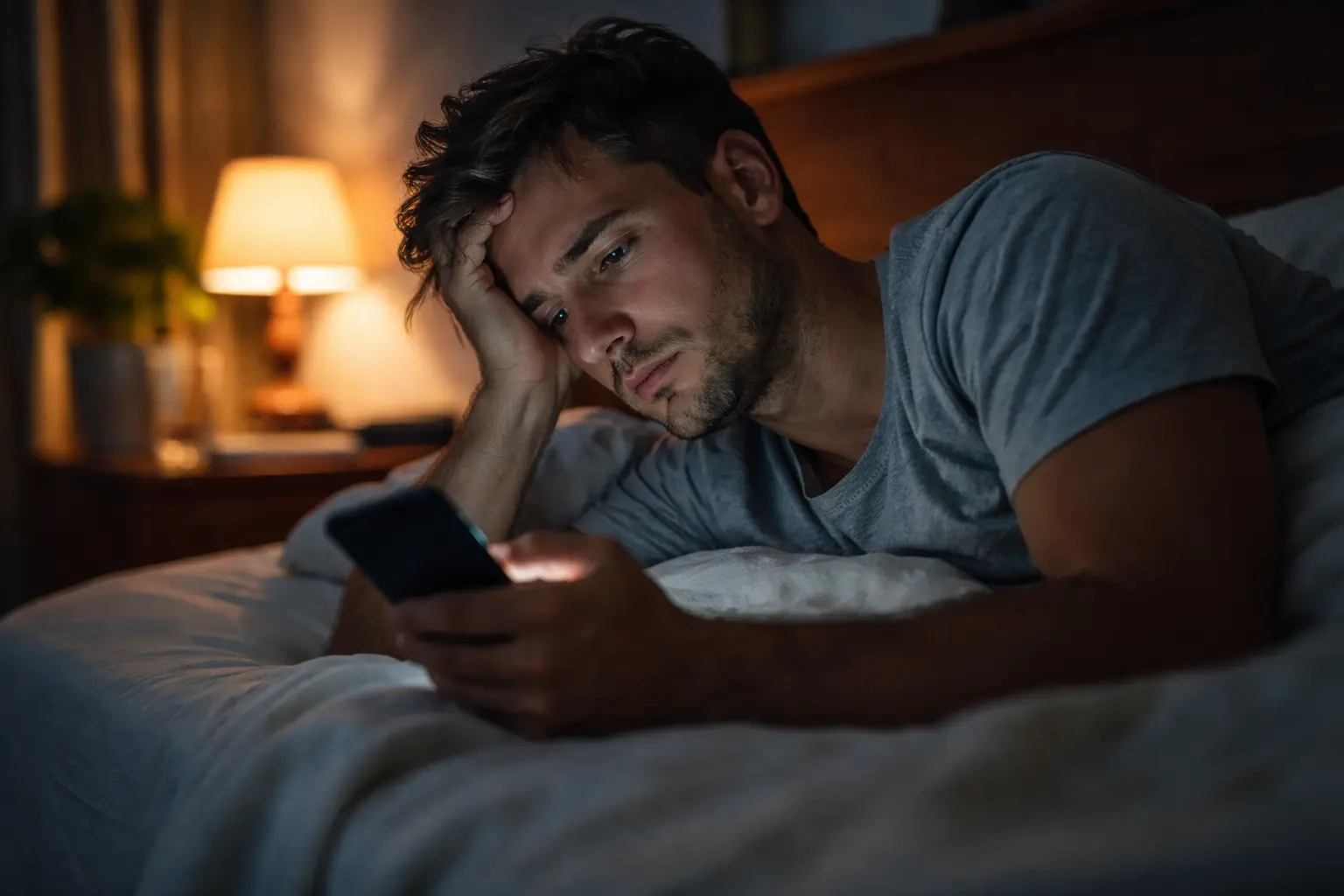
Your eyes burn after scrolling for just thirty minutes, your head throbs, and everything feels blurry, yet you keep reaching for that phone because staying connected feels impossible to resist and the health implications of using screens are creeping up on you whether you acknowledge them or not.
Digital eye strain: friend or foe?
Think back to the last time you spent an afternoon video calling with grandchildren or scrolling through news. By evening, did your eyes feel gritty, tired, and sore? That uncomfortable sensation is digital eye strain, and it hits seniors harder than most. Prolonged screen exposure forces your eyes to work overtime, reducing how often you naturally blink and straining the muscles around your eyes. Many seniors tell the same story: headaches that start mild and build throughout the day, dry eyes that feel like sandpaper, and blurred vision that makes reading difficult. The culprit is often a combination of factors. Screens emit blue light that can cause fatigue, the glare reflects off glasses, and the distance from your eyes to the device creates constant refocusing demands. What makes this particularly frustrating is that it sneaks up on you. You don’t realize the damage until your vision feels compromised and discomfort becomes your constant companion.
- Take a twenty-second break every twenty minutes to look at something distant and let your eyes reset
- Position your screen at arm’s length and slightly below eye level to reduce strain and neck tension
- Increase screen brightness and adjust contrast to match your room lighting, reducing the glare that exhausts your eyes
Sedentary lifestyle and screen dependency
Picture this: you sit down to check one email and suddenly three hours have passed. Your legs feel stiff, your back aches, and you realize you haven’t moved from that chair since breakfast. This scenario plays out daily for countless seniors who find themselves trapped in the screen cycle. Excessive screen time creates a vicious loop where sitting becomes the default, physical activity fades into the background, and your body pays the price. When movement decreases, muscles weaken, flexibility declines, and your cardiovascular system loses conditioning. Seniors who spend six or more hours daily on screens report higher rates of obesity, stiffness in joints, and reduced stamina for everyday tasks like climbing stairs or walking to the mailbox. The real danger isn’t just the sitting itself, but what it replaces: gardening, walking, visiting friends in person, or playing with grandchildren. Your body was designed for movement, and when screens become your primary focus, that natural rhythm breaks down, leaving you feeling heavier, slower, and less capable than you once were.
💬 Ready to feel better in 2 minutes?choose where to begin:
Impact on sleep patterns
You reach for your tablet at nine in the evening to read the news, then check your messages one more time, and suddenly it’s eleven and your mind is still buzzing. When you finally get to bed, sleep feels elusive and restless. This is the blue light effect in action, and it’s sabotaging your sleep more than you realize. Screens emit blue light that signals your brain it’s daytime, suppressing melatonin production and throwing your natural sleep-wake cycle into chaos. For seniors, whose sleep is already lighter and more fragmented, this disruption becomes particularly problematic. Poor sleep quality cascades into daytime drowsiness, making you feel foggy and irritable, difficulty concentrating on conversations or tasks, and even cognitive decline over time as your brain loses the restorative sleep it desperately needs. Many seniors don’t connect their screen habits to their sleep troubles, blaming age or stress instead. But the link is real and powerful. When you establish a screen curfew at least one hour before bed, your body gets the signal to wind down, melatonin rises naturally, and sleep becomes deeper and more refreshing.
Mental wellbeing and screen use
You scroll through social media and see photos of friends gathering without you, or you spend hours messaging instead of sitting across from someone over coffee. The loneliness creeps in quietly. Excessive screen time creates a paradox for seniors: you’re more connected than ever digitally, yet feeling more isolated emotionally. Virtual communication, while valuable, cannot fully replace face-to-face interaction. The human brain craves physical presence, tone of voice nuance, and genuine eye contact. When screens become your primary social outlet, anxiety and depression often follow. Studies show seniors who spend prolonged periods online without in-person connection report higher rates of loneliness, persistent worry, and low mood. The problem deepens when screen dependency replaces activities that genuinely nourish mental health: joining clubs, volunteering, attending community events, or simply sitting on the porch with a neighbor. These offline interactions trigger dopamine and oxytocin, chemicals that boost mood and resilience. Screens offer stimulation but rarely offer genuine connection. The path forward involves intentionally balancing digital life with real-world engagement, prioritizing time with loved ones, and recognizing that your mental health depends on more than what a screen can provide.
Screen habits have profound implications for senior health, affecting eye health, physical activity levels, sleep patterns, and mental wellbeing. Taking proactive measures such as frequent breaks, adjusting screen settings, setting a curfew, and fostering offline social connections are essential for maintaining optimal health and vitality.
How can I reduce digital eye strain from screens?
To alleviate digital eye strain, take regular breaks using the twenty-twenty-twenty rule (every twenty minutes, look at something twenty feet away for twenty seconds), adjust screen brightness and position to reduce glare, and consider using blue light blocking glasses for added protection during extended screen use.
What are the effects of excessive screen time on seniors’ mental health?
Excessive screen time can lead to increased feelings of loneliness, anxiety, and depression in seniors, due to reduced face-to-face interactions and overreliance on virtual communication. Balancing digital connection with in-person social engagement is crucial for maintaining emotional wellbeing.
Others also read:
Disclaimer: This article is for informational purposes only and is not a substitute for professional medical advice. Always consult a healthcare professional for personal guidance.
This article presents an experience-based perspective and has been reviewed by the GlobalHealthBeacon editorial team in 2026. It provides structured, evidence-based information to support informed health decisions.
← Back to the main health implications of using screens page
