Your eyes burn after work, your neck aches, you can’t sleep at night, and you’re pretty sure your phone is slowly ruining your health – here’s what’s actually happening with the health implications of using screens and what you can do about it.
Digital eye strain: what you need to know
Digital eye strain is one of the most common complaints among women who spend hours working on computers or scrolling through phones. When you stare at a screen, your eyes work harder because the light is different from natural environments, and you blink less frequently than normal. This creates a perfect storm for discomfort. Imagine sitting at your desk for six hours straight, and by 3 PM your eyes feel gritty, your vision blurs when you look away, and you develop a tension headache that radiates from your temples. This is digital eye strain in action. The 20-20-20 rule is your best defense: every 20 minutes, shift your gaze to something 20 feet away for 20 seconds. This simple pause allows your eye muscles to relax and your tear film to redistribute. Additionally, position your screen about an arm’s length away and slightly below eye level. Blue light filters on your devices or blue light blocking glasses can reduce the strain significantly. Many women find that reducing screen brightness in the evening and increasing it during the day helps their eyes adjust more naturally throughout their workday.
- Avoid staring at screens without breaks for extended periods.
- Practice the 20-20-20 rule: every 20 minutes, look at something 20 feet away for 20 seconds.
- Opt for screens with blue light filters to reduce eye strain.
Impact on sleep quality
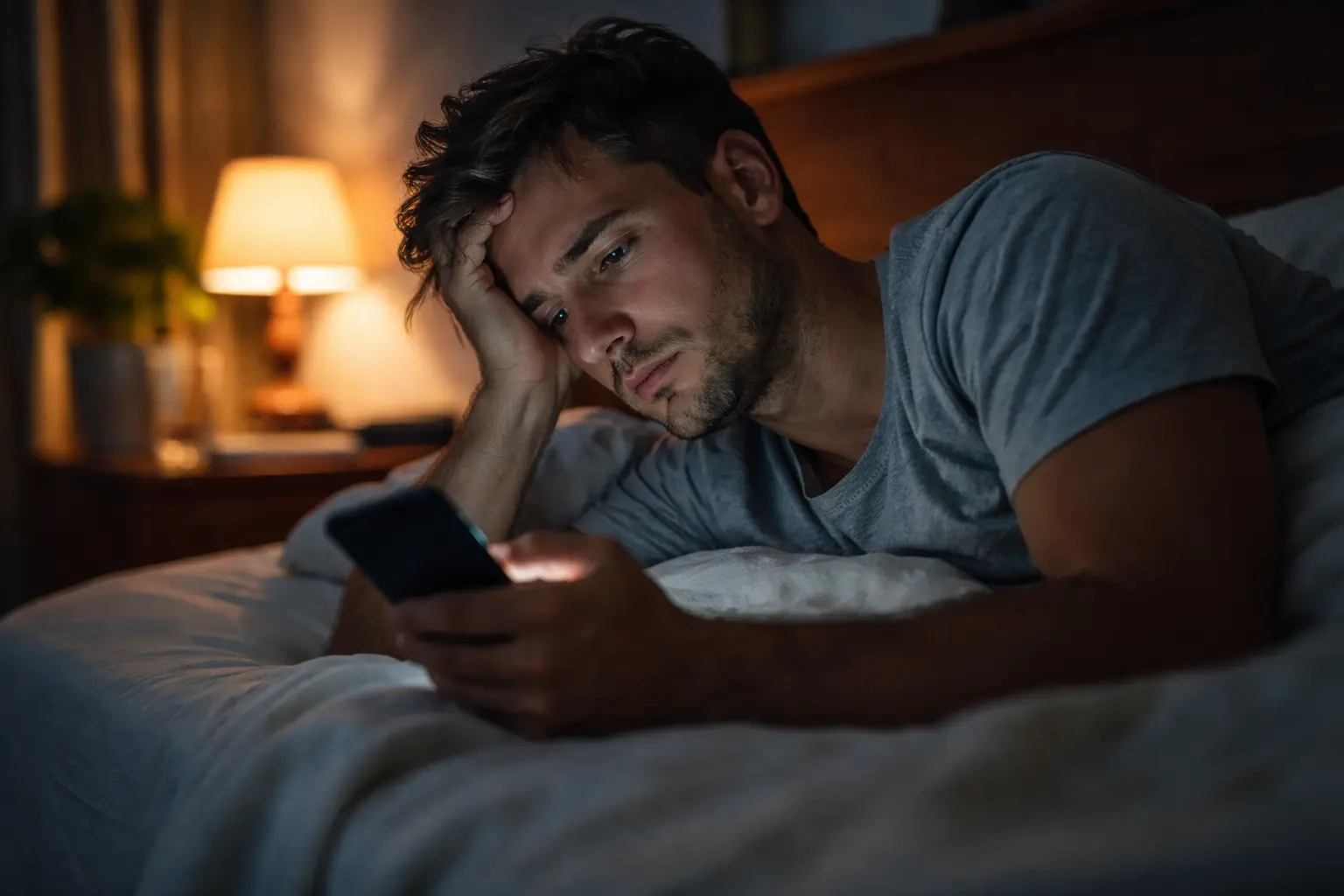
Blue light from screens tricks your brain into thinking it’s still daytime, which suppresses melatonin production and keeps you wired when you should be winding down. For many women, this becomes a frustrating cycle: you work late, scroll through your phone in bed, can’t fall asleep, then wake up exhausted. Your sleep quality suffers not just from falling asleep later, but from the quality of sleep itself becoming lighter and more fragmented. Consider a woman who checks emails on her phone until 11 PM, lies awake until midnight, then wakes at 3 AM with racing thoughts. Her body never reaches the deep, restorative sleep stages needed for recovery. To protect your sleep, establish a digital curfew at least one hour before bed. Dim your screen brightness significantly or enable night mode settings that reduce blue light emission. Replace screen time with calming activities like reading a physical book, gentle stretching, journaling, or meditation. If you must use devices before bed, wear blue light blocking glasses. Keep your bedroom phone-free if possible, or place it across the room so you’re not tempted to check it during the night. These boundaries create the conditions for genuine, restorative sleep.
📘 Fix your day in under 2 minuteschoose where to begin:
Physical health effects
Prolonged screen use creates a cascade of physical problems that many women don’t immediately connect to their devices. Sitting hunched over a laptop for eight hours daily leads to neck strain, shoulder tension, and lower back pain. Your posture gradually worsens as you lean forward to see the screen better, which compresses your spine and strains your muscles. Beyond posture issues, the sedentary nature of screen work contributes to weight gain, reduced cardiovascular fitness, and metabolic slowdown. A woman who sits at a desk all day, then comes home and relaxes by watching television, may move only a few thousand steps daily. Over weeks and months, this inactivity compounds into measurable health decline. To counteract these effects, take movement breaks every hour. Stand up, stretch your arms overhead, roll your shoulders backward, and walk around for two minutes. Adjust your workspace so your monitor is at eye level and your feet rest flat on the floor. Consider a standing desk or a desk converter that lets you alternate between sitting and standing. Incorporate regular physical activity into your routine, whether that’s a 30-minute walk, yoga, strength training, or dancing. Even light movement throughout the day significantly improves circulation, muscle tone, and overall physical resilience.
Mental well-being considerations
The mental health impact of excessive screen time is profound and often overlooked. Social media comparison, constant notifications, and the pressure to stay connected create chronic stress and anxiety. Many women find themselves doom-scrolling through news or comparing their lives to curated online images, which triggers feelings of inadequacy and depression. The dopamine hit from likes and comments creates a cycle of dependency that keeps you reaching for your phone compulsively. Beyond social media, excessive screen time reduces face-to-face interaction, which is essential for emotional connection and mental health. A woman who spends her evenings online instead of with friends or family may feel increasingly isolated despite being constantly connected digitally. This paradox of connection without intimacy leaves many feeling emotionally drained. To protect your mental health, set intentional boundaries around screen use. Designate phone-free times during meals, conversations, and quality time with loved ones. Unfollow accounts that trigger comparison or negative feelings. Turn off non-essential notifications to reduce the constant pull for your attention. Spend time in activities that nourish you offline: hobbies, time in nature, creative pursuits, or meaningful conversations. If you notice signs of anxiety or depression linked to screen use, consider speaking with a mental health professional who can provide personalized strategies.
Screen time recommendations for balanced living
Finding balance with screens isn’t about eliminating them entirely, which is unrealistic for most modern women, but about using them intentionally and strategically. The American Academy of Pediatrics recommends limiting screen time, but for adults, the focus should be on quality and purpose rather than strict hour limits. Ask yourself: are you using screens to accomplish something meaningful, or are you using them out of habit and boredom? Create a personal screen time audit by tracking how much time you spend on different activities for one week. You might discover you’re spending three hours daily on social media without realizing it. Once you have this awareness, set realistic boundaries. Perhaps you limit social media to 30 minutes daily, work screens are necessary but you take proper breaks, and entertainment screens are reserved for specific times. Prioritize real-world connections by scheduling regular time with friends and family without devices present. Engage in offline activities that bring you joy and fulfillment, whether that’s reading, cooking, exercising, creative hobbies, or spending time in nature. Build these activities into your weekly routine so they become non-negotiable parts of your self-care. Remember that balance looks different for everyone based on your work, lifestyle, and personal needs. The goal is intentional use that supports your health rather than undermines it.
Understanding the health implications of using screens is essential for maintaining overall well-being. From digital eye strain to disrupted sleep patterns, taking proactive steps to manage screen time can significantly impact your health positively.
How can I reduce digital eye strain from screens?
To reduce digital eye strain, take regular breaks using the 20-20-20 rule, blink frequently, adjust your screen position to be at eye level about an arm’s length away, reduce screen brightness, and consider using blue light filters or blocking glasses.
What are some tips for balancing screen time and mental health?
To balance screen time and mental health, limit social media use to specific times, turn off non-essential notifications, designate phone-free times during meals and social interactions, engage in offline hobbies and activities, prioritize face-to-face connections, and seek professional support if you notice signs of anxiety or depression.
Others also read:
Disclaimer: This article is for informational purposes only and is not a substitute for professional medical advice. Always consult a healthcare professional for personal guidance.
This guide has been prepared and reviewed by the GlobalHealthBeacon editorial team and reflects current medical research as of 2026. It provides structured, evidence-based information to support informed health decisions.
