Part of: Movement & Physical Health
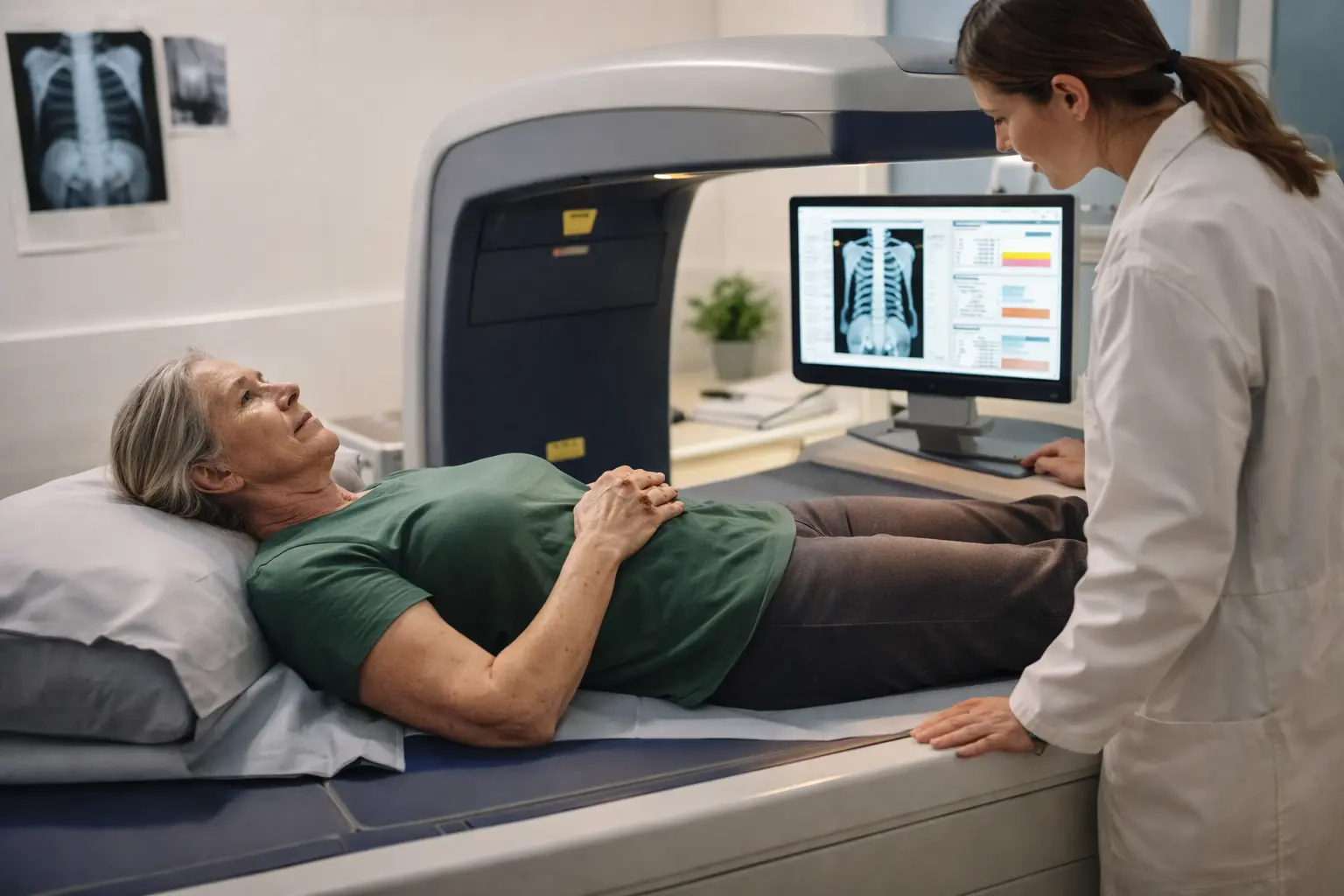
A bone density scan, commonly referred to as a DXA scan (dual-energy X-ray absorptiometry) or DEXA scan, is a specialized imaging procedure that uses low-dose X-rays to measure the mineral content and density of bone tissue. This non-invasive, painless test has become the gold standard in modern medical practice for assessing bone health, detecting conditions such as osteoporosis and osteopenia, and evaluating an individual’s fracture risk. By providing precise measurements of bone mineral density, DXA scans enable healthcare providers to identify bone loss early and guide treatment decisions before serious complications occur.
The importance of understanding DXA scans extends across different life stages. Young adults benefit from baseline measurements that establish normal bone density, while women—particularly those approaching or experiencing menopause—face unique considerations regarding bone health and disease prevention. Seniors, who are at heightened risk for fracture-related injuries, rely on DXA results to monitor progressive bone loss and implement targeted interventions. The science underlying bone measurement through DXA technology, including how T-scores and Z-scores are calculated and what those values signify, is essential knowledge for anyone undergoing or considering this test.
Beyond the mechanics of the scan itself, the practical aspects of DXA assessment are equally significant. Preparation protocols, post-scan interpretation, and actionable next steps determine how effectively individuals can use their results to strengthen bone health. Research increasingly demonstrates how DXA findings correlate with fracture prediction and long-term health outcomes, while simultaneously raising important questions about individual circumstances, risk factors, and the true clinical relevance of specific score ranges.
This comprehensive overview section brings together in-depth information addressing every dimension of bone density scanning—from the foundational science and procedural details to personal experiences, evidence-based strategies for bone health optimization, and practical guidance for before, during, and after your scan. Whether seeking to understand what DXA measures, prepare for an upcoming appointment, or interpret existing results, the articles within this section provide detailed, evidence-backed insights tailored to different demographic needs and informational goals.
The NHS page explains how a bone density (DEXA) scan uses low-dose X-rays to measure bone density, why it’s done (such as diagnosing osteoporosis), what happens during the scan, and who may need it. → Click here