Your doctor mentions a bone density scan, and suddenly you’re googling fracture risks at midnight, imagining yourself fragile and broken, wondering if this test is just another way medicine finds something wrong with you or if it actually matters for your real life.
Understanding bone density scan dxa
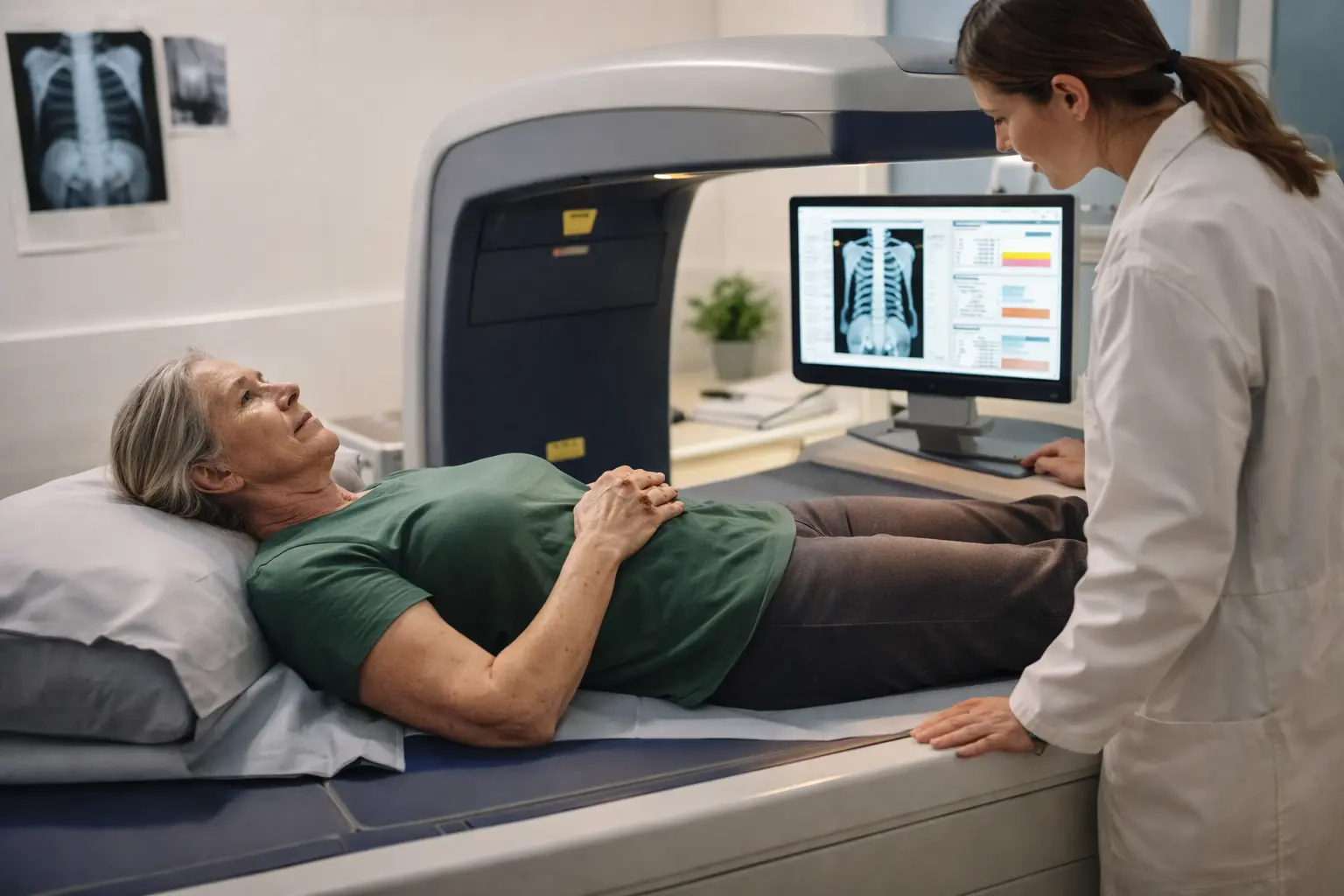
When my doctor first recommended a DXA scan, I had no idea what she was talking about. Dual-Energy X-ray Absorptiometry sounds like something from a sci-fi movie, right? But here’s the simple truth: it’s just a fancy way of measuring how much mineral is packed into your bones. Think of it like checking the density of a sponge. A healthy sponge is firm and compact, while a deteriorating one becomes porous and weak. Your bones work the same way. This non-invasive test takes pictures using a tiny amount of radiation, similar to what you’d get from a few weeks of natural sunlight. The whole thing takes maybe 10 to 30 minutes, and you just lie still on a table while the machine does its work. No needles, no pain, no fuss. The results come back in categories: normal bone density, osteopenia (which means your bones are getting thinner but not yet critically), or osteoporosis (where fracture risk becomes real and serious). For us seniors, this information can be the difference between staying active and independent or facing unexpected breaks that change everything.
- The scan is quick and painless, usually taking about 10-30 minutes.
- It uses a small amount of radiation, considered safe.
- Results are typically categorized as normal, osteopenia (low bone density), or osteoporosis (severely low bone density).
Interpreting the results
So your scan is done and you’re waiting for results. That waiting period can feel endless, especially if you’ve been worried about your bones. When I got my results back, my doctor sat down with me and explained the T-score and Z-score, which honestly felt like alphabet soup at first. The T-score compares your bone density to a healthy 30-year-old, while the Z-score compares you to people your own age and gender. That second one actually made more sense to me because it showed I wasn’t alone in my bone changes. My doctor walked me through what my specific numbers meant for my life: could I still play with my grandkids without fear? Should I be careful on stairs? What about that hiking trip I’d been planning? Understanding these results isn’t just about the numbers on a paper. It’s about translating medical data into real decisions about how you live. Your doctor should explain not just what the results are, but what they mean for your daily activities, your risk level, and what steps make sense next.
💬 Ready to feel better in 2 minutes?choose where to begin:
Risk factors and prevention
After my scan showed early bone loss, I started thinking about why. My doctor helped me identify my personal risk factors, and honestly, some surprised me. I’m a woman over 60, which automatically puts me at higher risk. I’d been sedentary for years after my knee surgery. I didn’t drink much milk or eat many calcium-rich foods. I’d taken corticosteroids for a breathing condition. Each of these factors added up. But here’s what gave me hope: many of these things I could actually change. I started walking three times a week, not just for my bones but because I felt better overall. I added more leafy greens, cheese, and yogurt to my meals. I cut back on caffeine and alcohol, which can interfere with calcium absorption. My doctor even mentioned that vitamin D was crucial, so I made sure to get sunlight and considered a supplement. The key insight was that bone health isn’t just about one thing. It’s a combination of genetics, age, hormones, nutrition, and movement. Knowing your specific risk factors lets you focus on what actually matters for your situation.
Maintaining bone health
Getting one DXA scan is helpful, but it’s really just the beginning of a longer conversation with your body. My doctor recommended I get another scan in two years to see if my lifestyle changes were actually working. That gave me a concrete goal and a way to measure progress. Between scans, I’ve learned that maintaining bone health is less about perfection and more about consistency. Some days I miss my walks because of weather or fatigue, and that’s okay. What matters is that most weeks, I’m moving my body in ways that stress my bones just enough to keep them strong. Weight-bearing exercises like walking, dancing, or even gardening tell your bones they need to stay dense. I’ve also discovered that my bones respond to what I eat. When I track my calcium and vitamin D intake, I feel more in control. And honestly, the social side of bone health matters too. I joined a walking group with other seniors, and now my bone health routine includes friendship and community. Working with my healthcare provider to create a personalized plan has transformed this from something scary into something empowering. It’s never too late to invest in your skeletal health.
A bone density scan DXA is a vital tool for assessing bone health and the risk of fractures. Understanding the results, knowing your risk factors, and taking preventive measures can help you maintain strong bones as you age.
Is a bone density scan DXA safe?
Yes, a bone density scan DXA is considered safe as it uses a minimal amount of radiation to measure bone mineral density.
How often should seniors get a bone density scan?
The frequency of bone density scans for seniors depends on individual risk factors and healthcare provider recommendations. It’s generally recommended for postmenopausal women and men over 50.
Others also read:
Disclaimer: This article is for informational purposes only and is not a substitute for professional medical advice. Always consult a healthcare professional for personal guidance.
This article presents an experience-based perspective and has been reviewed by the GlobalHealthBeacon editorial team in 2026. It provides structured, evidence-based information to support informed health decisions.
