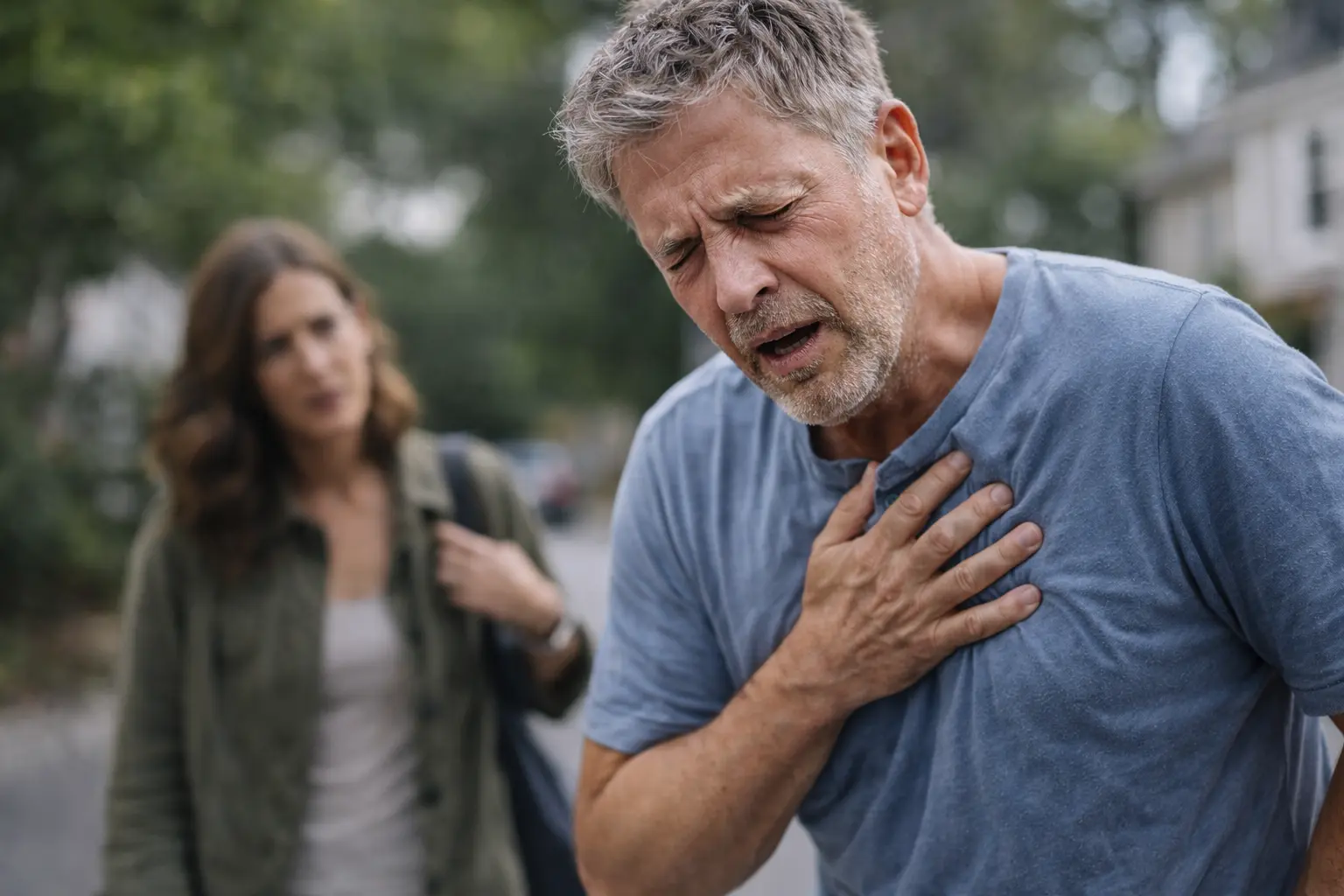
That weird chest tightness that won’t go away, the breathlessness climbing stairs, the exhaustion that sleep doesn’t fix – these aren’t just signs of getting older, they could be your body screaming about heart attack warning signs, and knowing the difference might save your life.
Recognizing the symptoms
Heart attack symptoms in seniors often look different than what you see in movies. Instead of sudden, dramatic chest pain, many older adults experience a gradual tightness or pressure in the chest that builds over minutes or hours. Some describe it as heaviness, squeezing, or an uncomfortable fullness rather than sharp pain. Shortness of breath frequently accompanies chest discomfort, sometimes appearing even without noticeable chest sensations. Fatigue is another critical signal – not the tiredness after a long day, but an unusual exhaustion that feels disproportionate to activity level. Nausea, dizziness, or jaw pain can also occur. Consider this scenario: a 72-year-old woman felt persistent indigestion-like discomfort while gardening, along with unusual fatigue. She initially dismissed it as heartburn, but the symptoms persisted. These warning signs deserve immediate medical evaluation because early recognition significantly improves outcomes.
Paying attention to risk factors
Understanding your personal risk profile is essential for heart health awareness. Age itself is a significant factor – the risk of heart attack increases substantially after 65. High blood pressure, often called the silent killer, damages artery walls over time without obvious symptoms. Diabetes affects how your body processes glucose and damages blood vessels, doubling or tripling heart attack risk. High cholesterol builds plaque in arteries, narrowing passages where blood flows. Family history matters too – if parents or siblings experienced early heart disease, your risk increases. Smoking remains one of the most damaging modifiable factors, as it damages artery linings and increases clotting risk. Sedentary lifestyle weakens the heart muscle itself. A 68-year-old man with controlled diabetes and mild high blood pressure might feel relatively healthy, yet his combination of risk factors means his heart is working harder than optimal. Monitoring these factors through regular blood pressure checks, cholesterol panels, and blood glucose tests helps identify when intervention becomes necessary.
Steps to take for prevention
Prevention strategies work best when they become integrated into daily routines rather than feeling like restrictions. A heart-healthy diet emphasizes whole grains, which provide sustained energy and fiber that helps manage cholesterol and blood sugar. Fruits and vegetables deliver antioxidants and minerals that support arterial health – aim for variety and color on your plate. Lean proteins like fish rich in omega-3 fatty acids have documented benefits for heart function. Regular physical activity doesn’t require intense exercise; even 30 minutes of moderate activity like brisk walking most days strengthens the heart muscle and improves circulation. Many seniors find success with activities they enjoy, whether that’s swimming, gardening, or dancing with friends. Routine check-ups with your healthcare provider create opportunities to discuss specific concerns, adjust medications if needed, and catch emerging issues early. These appointments also provide chances to ask questions about symptoms you’ve noticed or family history patterns that worry you.
- Maintain a heart-healthy diet with whole grains, fruits, and vegetables
- Engage in regular moderate physical activity most days of the week
- Schedule routine check-ups and discuss heart health concerns with your provider
🔬 Science-backed benefits in 2 minuteschoose where to begin:
Understanding the role of lifestyle choices
Lifestyle factors create a cumulative effect on heart health over decades. Smoking damages the inner lining of arteries and increases blood clotting tendency, making heart attacks more likely even in people without other risk factors. Sedentary lifestyles allow the heart muscle to weaken and blood vessels to become less flexible. Poor dietary habits high in saturated fats, sodium, and processed foods contribute to high blood pressure and cholesterol buildup. Chronic stress elevates cortisol levels, which can trigger inflammation in arteries and increase heart attack risk. Sleep deprivation affects blood pressure regulation and increases inflammation. Consider a 70-year-old who spent decades in a stressful career, eating convenience foods, and rarely exercising. Even after retirement, these patterns persist until conscious change occurs. The encouraging news is that positive lifestyle modifications can reduce risk at any age. Quitting smoking improves heart function within weeks. Increasing activity gradually builds cardiovascular strength. Dietary improvements lower cholesterol and blood pressure. These changes work synergistically, creating meaningful protection against cardiac events.
Seeking medical assistance
Time becomes critically important when heart attack symptoms appear. The first few hours after symptom onset determine how much heart muscle damage occurs and whether emergency interventions can restore blood flow. If you experience chest discomfort, shortness of breath, unusual fatigue, or other warning signs, call emergency services immediately rather than driving yourself or waiting to see if symptoms pass. Emergency responders can begin treatment in the ambulance, potentially preventing complications. Hospital staff can perform electrocardiograms and blood tests to confirm whether a heart attack is occurring. Modern treatments like angioplasty or thrombolytic therapy work best when administered quickly. A 75-year-old man who called 911 immediately when experiencing chest pressure and shortness of breath received treatment within 90 minutes of symptom onset, preserving significant heart function. Conversely, someone who delays seeking help hoping symptoms will resolve risks permanent damage. Never hesitate or feel embarrassed about calling for emergency help – medical professionals would rather evaluate someone who turns out to be fine than miss a genuine emergency.
Staying informed and proactive
Heart health knowledge empowers seniors to recognize changes in their bodies and respond appropriately. Learning about your specific risk factors through conversations with your healthcare provider creates a personalized awareness plan. Understanding how your medications work and why you take them reinforces their importance. Staying current with health information through reputable sources helps you distinguish between genuine concerns and health myths. Many communities offer cardiac rehabilitation programs or heart health education classes where you can learn from specialists and connect with others managing similar concerns. Keeping a simple symptom log noting when unusual sensations occur helps you identify patterns and provide accurate information to your doctor. Discussing heart health with family members encourages them to take preventive action too. A proactive approach means regular health screenings, maintaining prescribed medications, staying physically active, eating well, managing stress, and knowing your body well enough to recognize when something feels different. This combination of knowledge, self-awareness, and medical partnership creates the strongest foundation for preventing heart attacks and maintaining quality of life.
Key insights: Seniors need to recognize that heart attack symptoms may differ from stereotypes, understand their personal risk factors through regular medical assessment, adopt sustainable lifestyle improvements including diet and activity, seek immediate emergency help when warning signs appear, and maintain ongoing awareness through education and self-monitoring.
What are the common warning signs of a heart attack in seniors?
Common warning signs include chest pressure or discomfort that may feel like heaviness or squeezing rather than sharp pain, shortness of breath during normal activities, unusual fatigue disproportionate to activity level, nausea, dizziness, and sometimes jaw or back pain. Symptoms may develop gradually over minutes or hours. Seek immediate medical attention if you experience any of these signs.
How can seniors prevent heart attacks?
Prevention involves multiple strategies: maintain a heart-healthy diet rich in whole grains, fruits, vegetables, and lean proteins; engage in regular moderate physical activity like brisk walking; manage risk factors such as blood pressure, cholesterol, and blood sugar through medical care; avoid smoking; manage stress; get adequate sleep; and attend regular health check-ups. Discuss your specific risk factors with your healthcare provider to create a personalized prevention plan.
Others also read:
Disclaimer: This article is for informational purposes only and is not a substitute for professional medical advice. Always consult a healthcare professional for personal guidance.
This article has been prepared and reviewed by the GlobalHealthBeacon editorial team and is based on current medical research and published scientific literature available in 2026. It provides structured, evidence-based information to support informed health decisions.
