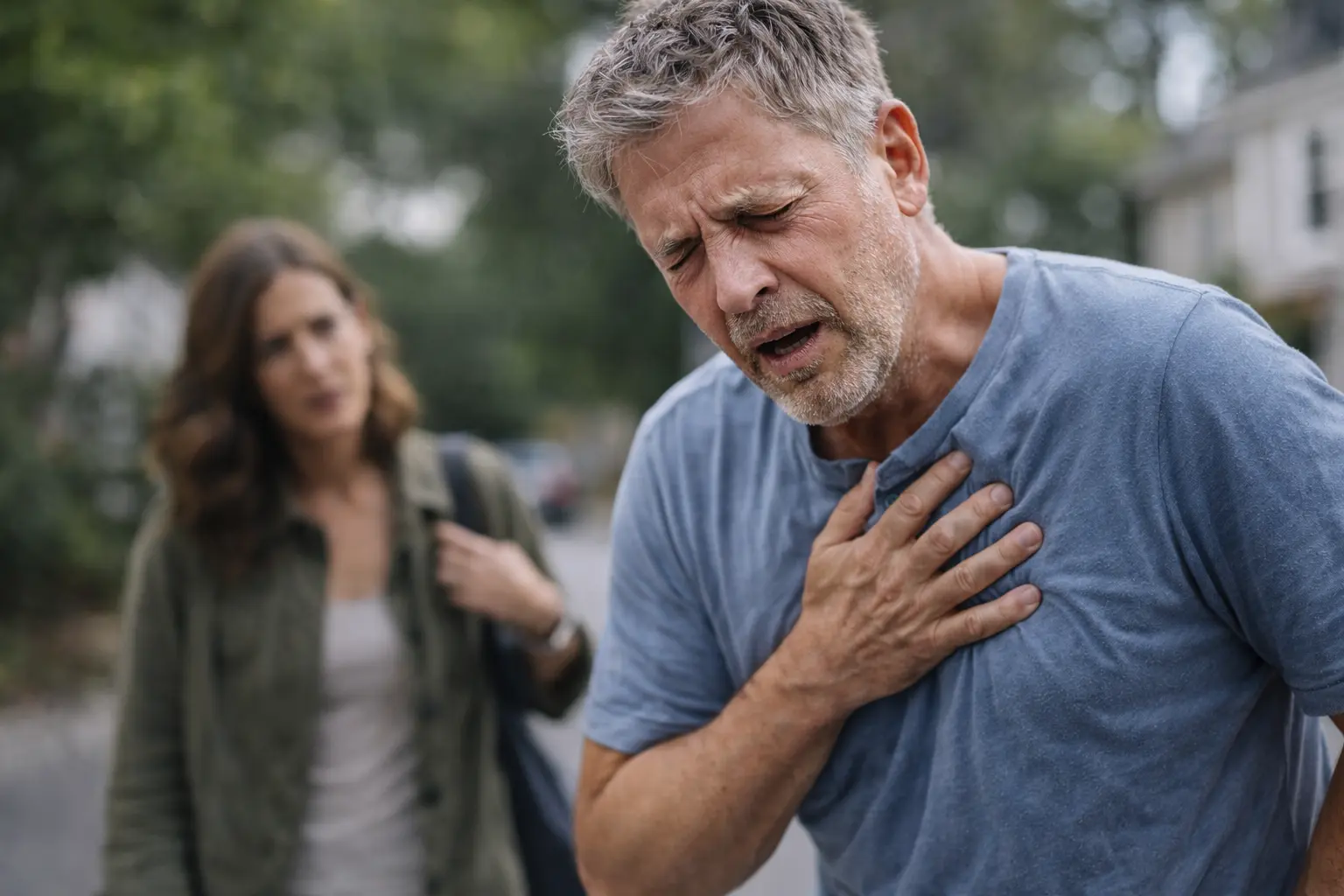
That crushing chest pain you see in movies? Women often don’t get it, and that’s exactly why so many heart attacks in women go unrecognized until it’s too late, so understanding the real heart attack warning signs that actually show up in female bodies could literally save your life.
Signs of heart attack in women
When Sarah felt a sharp pain radiating from her jaw down to her neck while grocery shopping, she assumed it was a dental issue. She was 58, felt generally healthy, and had no idea she was experiencing an early warning sign of a heart attack. This scenario plays out countless times because women’s heart attack symptoms often look nothing like the textbook presentation. While men typically report crushing chest pain, women frequently experience jaw pain, unusual fatigue that feels like hitting a wall, dizziness, shortness of breath without exertion, nausea, or pain between the shoulder blades. Some women describe it as pressure in the upper back or a sensation of extreme heaviness in the arms. The challenge lies in recognizing these atypical presentations. A woman might feel unusually tired for weeks, attributing it to stress or aging, when her body is actually signaling cardiac distress. Recognizing these differences is not just medically important, it’s life-saving, because delayed recognition means delayed treatment, and every minute counts when heart tissue is being damaged.
The role of hormones
Hormones act like chemical messengers throughout the body, and they have profound effects on cardiovascular function. During reproductive years, estrogen provides a protective effect on blood vessel walls, helping them remain flexible and resistant to plaque buildup. However, as women approach menopause, estrogen levels decline significantly, and this shift fundamentally changes how the cardiovascular system functions. Research shows that postmenopausal women experience increased arterial stiffness, higher blood pressure, and greater susceptibility to atherosclerosis. The hormonal transition doesn’t happen overnight, and neither does the increased cardiac risk. Women in their 40s and 50s often notice subtle changes: blood pressure readings creeping upward, cholesterol profiles shifting, or increased fatigue during physical activity. Some women experience hot flashes and night sweats that actually reflect cardiovascular instability. Understanding this hormonal timeline helps explain why heart disease risk accelerates for women after menopause, with rates approaching those of men within a decade. This biological reality underscores why women in midlife need heightened awareness and proactive monitoring of their cardiovascular health.
Understanding risk factors and prevention
Risk factors for heart attacks in women extend beyond what many people realize. A family history of early heart disease, particularly in mothers or sisters, significantly elevates personal risk. Diabetes in women carries a particularly potent cardiovascular threat, essentially erasing the protective advantage that premenopausal women typically enjoy. High blood pressure, high cholesterol, smoking, obesity, and chronic stress all contribute to arterial damage over time. Consider Margaret, a 52-year-old woman with a mother who had a heart attack at 60. Margaret’s own blood pressure readings were consistently elevated, and she carried extra weight around her midsection. By understanding her specific risk profile, she could take targeted action. Prevention isn’t about perfection, it’s about consistent, sustainable choices. Regular movement, whether that’s brisk walking, swimming, or dancing, strengthens the heart muscle and improves blood vessel function. A diet emphasizing whole grains, colorful vegetables, fatty fish rich in omega-3s, and lean proteins provides the nutrients cardiovascular tissue needs. Monitoring blood pressure and cholesterol levels regularly creates accountability and catches concerning trends early. Stress management through meditation, time in nature, or creative pursuits matters because chronic stress elevates cortisol and blood pressure. These preventive strategies work synergistically, each one reinforcing the others.
- Regular exercise for at least 30 minutes a day, choosing activities you actually enjoy so consistency becomes natural
- A diet rich in fruits, vegetables, whole grains, and lean proteins, with particular attention to reducing processed foods and added sodium
- Monitor blood pressure and cholesterol levels regularly, tracking trends over time rather than fixating on single readings
🔬 Science-backed benefits in 2 minuteschoose where to begin:
Diagnostic techniques for women
Diagnosing heart attacks in women presents unique challenges that medical professionals continue to refine their approach toward. Standard EKG readings sometimes appear normal in women even when a heart attack is occurring, particularly in cases involving smaller coronary vessels or the heart’s outer layers. This diagnostic gap has historically led to women being sent home from emergency departments, only to suffer more severe cardiac events days later. Advanced imaging techniques have become increasingly valuable. Cardiac MRI provides detailed images of heart tissue, revealing damage patterns that might be missed by conventional methods. Coronary angiography, where dye is injected into coronary arteries while X-ray imaging captures blood flow, remains the gold standard for identifying blockages. Stress testing, whether through exercise or medication, helps reveal how the heart responds to increased demand. Women’s symptoms often develop more gradually than men’s, and the underlying causes sometimes differ, with some women experiencing heart attacks from coronary artery spasm or spontaneous dissection rather than traditional plaque rupture. Understanding these diagnostic nuances means that when a woman presents with atypical symptoms, healthcare providers can pursue appropriate testing rather than dismissing her concerns.
Treatment options and recovery
When a heart attack is confirmed, immediate treatment focuses on restoring blood flow to the heart muscle before permanent damage spreads. Aspirin works by preventing platelets from clumping together, helping keep blood vessels open. Nitroglycerin dilates blood vessels, reducing the workload on the heart and improving blood flow. Clot-busting medications, called thrombolytics, actively dissolve blockages that are restricting blood flow. In many cases, cardiac catheterization with stent placement provides mechanical relief by opening narrowed vessels. Beyond the acute emergency phase, recovery involves a structured cardiac rehabilitation program. These programs combine supervised exercise, nutritional counseling, and psychological support because the emotional impact of surviving a heart attack is significant. Women often experience anxiety or depression following a cardiac event, and addressing mental health is as important as physical recovery. Medications prescribed after a heart attack, such as beta-blockers and ACE inhibitors, help protect heart function long-term. Recovery timelines vary, but most women can gradually return to normal activities over several weeks to months. The key is following medical guidance closely, attending rehabilitation sessions consistently, and being patient with the process rather than rushing back to previous activity levels.
Lifestyle modifications for heart health
Heart health isn’t determined by a single choice, it’s shaped by the accumulation of daily decisions over months and years. Physical activity doesn’t require expensive gym memberships or intense workouts. A woman who walks 30 minutes most days, gardens regularly, or takes the stairs consistently is doing her cardiovascular system tremendous good. Stress management becomes increasingly important as women age, because chronic stress literally damages blood vessels through inflammation and hormonal disruption. Some women find yoga or tai chi transformative, while others prefer journaling, time with friends, or creative pursuits. A heart-healthy diet doesn’t mean deprivation, it means choosing foods that nourish rather than harm. Mediterranean-style eating patterns, emphasizing olive oil, fish, legumes, and vegetables, have strong scientific support for cardiovascular protection. Sleep quality matters profoundly, as poor sleep disrupts blood pressure regulation and increases inflammation. Social connection provides measurable cardiovascular benefits, so maintaining friendships and community involvement is literally heart-healthy behavior. Consulting with healthcare providers about individual risk factors ensures that lifestyle modifications are tailored to personal circumstances rather than following generic advice. This personalized approach increases the likelihood of sustained behavior change and genuine health improvement.
Heart attack warning signs in women differ significantly from the classic presentation most people recognize, making awareness and education essential for early detection. Hormonal shifts, particularly during menopause, fundamentally alter cardiovascular risk profiles. Understanding personal risk factors, implementing preventive strategies, and recognizing atypical symptoms creates a foundation for protection. Advanced diagnostic techniques now better identify heart attacks in women, and immediate treatment options have improved outcomes substantially. Recovery involves comprehensive rehabilitation addressing both physical and psychological dimensions. Daily lifestyle choices regarding movement, nutrition, stress management, and sleep accumulate into meaningful cardiovascular protection over time.
Are heart attack symptoms different in women compared to men?
Yes, women frequently experience atypical heart attack symptoms including jaw pain, extreme fatigue, dizziness, shortness of breath, nausea, or upper back pain rather than the classic crushing chest pain. Recognizing these differences is crucial because delayed recognition leads to delayed treatment, and every minute matters when heart tissue is being damaged.
How can women reduce their risk of heart attacks?
Women can lower their heart attack risk through consistent physical activity of at least 30 minutes most days, eating a diet rich in whole grains, vegetables, and lean proteins, monitoring blood pressure and cholesterol regularly, managing stress through meditation or enjoyable activities, maintaining quality sleep, and consulting healthcare providers about individual risk factors for personalized guidance.
Others also read:
Disclaimer: This article is for informational purposes only and is not a substitute for professional medical advice. Always consult a healthcare professional for personal guidance.
This article has been prepared and reviewed by the GlobalHealthBeacon editorial team and is based on current medical research and published scientific literature available in 2026. It provides structured, evidence-based information to support informed health decisions.
