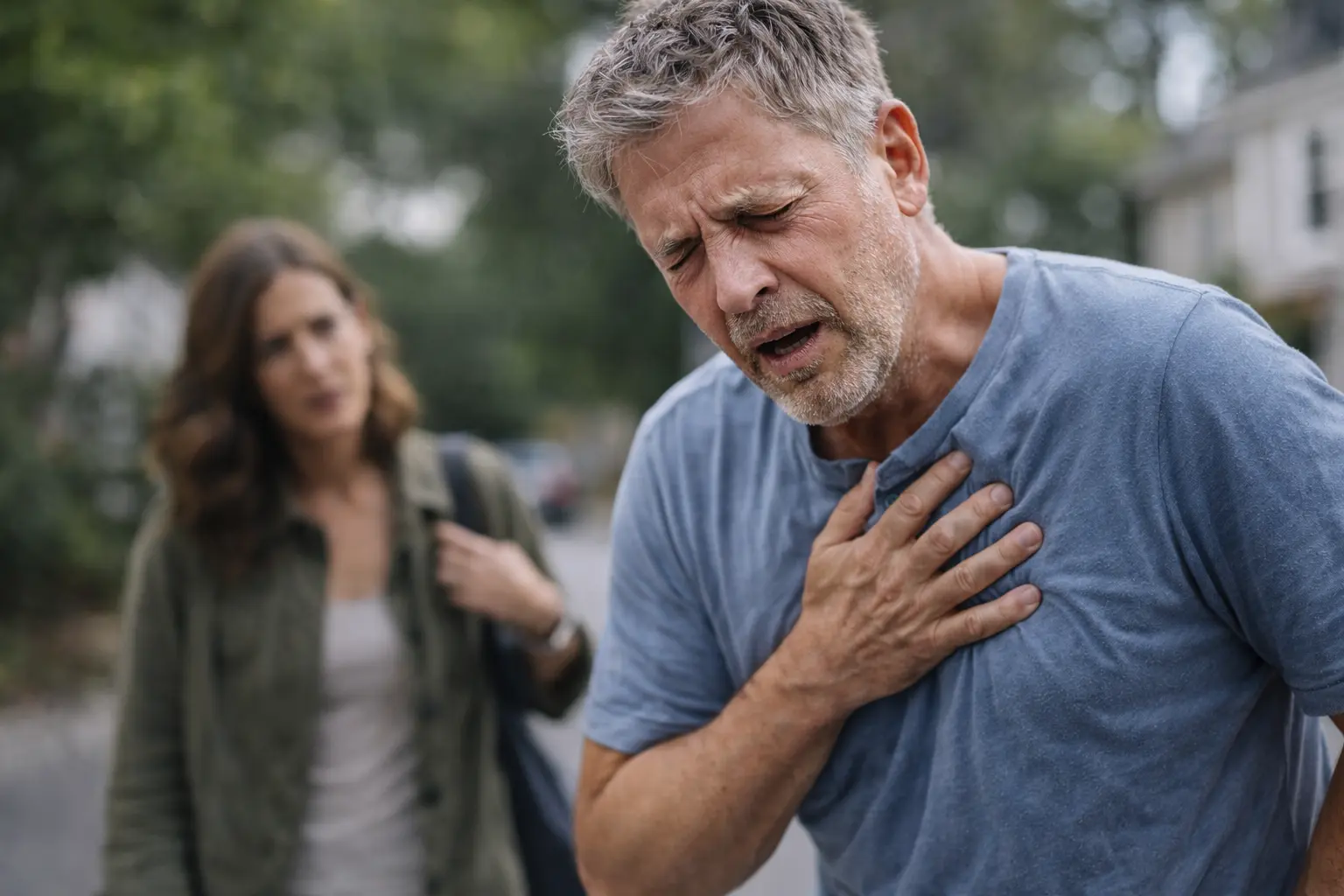
That crushing pressure in your chest won’t quit, your jaw aches for no reason, and something deep down screams that something is seriously wrong, yet you keep pushing through because heart attack warning signs in women look nothing like the movies show.
Chest discomfort and pain
Sarah was loading the dishwasher when it hit. Not the dramatic, clutching-your-chest kind of pain she’d seen in films, but a strange, relentless pressure that felt like someone was sitting on her sternum. She almost ignored it. That’s what so many women do because the sensation doesn’t match what we’ve been taught to expect. The discomfort can feel like squeezing, fullness, or aching in the center of your chest lasting more than a few minutes. Some women describe it as heaviness, others as burning. The tricky part is that it might come and go, which makes you second-guess whether it’s serious. Pain can radiate down your arm, into your neck, or across your back. Don’t wait it out or assume it’s indigestion. Seek medical attention immediately if you feel this pressure.
- Ignoring chest pain can lead to serious complications.
- Women may have atypical symptoms like jaw or back pain instead of chest pain.
- Chest pain can be accompanied by shortness of breath, dizziness, or nausea.
Shortness of breath
Maria noticed she couldn’t climb the stairs without gasping. At first, she blamed it on being out of shape. Then came the moment she was sitting on the couch, doing absolutely nothing, and suddenly felt like she couldn’t fill her lungs completely. That’s when panic set in. Many women report this sensation as the most terrifying symptom because it creates a vicious cycle: you can’t breathe, so you panic, which makes breathing harder. You might feel like you’re suffocating even at rest, or experience unusual breathlessness during routine activities like walking to your car or talking on the phone. Some women describe it as their lungs being too small for the air they need. This shortness of breath can appear days or even weeks before other symptoms emerge, making it easy to dismiss as stress or anxiety. If you’re struggling to catch your breath without a clear reason, don’t wait. Seek prompt medical attention.
💬 Ready to feel better in 2 minutes?choose where to begin:
Fatigue and lightheadedness
Jennifer couldn’t understand why she felt so exhausted. She’d sleep nine hours and wake up feeling like she hadn’t rested at all. Her body felt heavy, her mind foggy, and even getting out of bed seemed impossible. Then came the dizzy spells. She’d stand up too quickly and the room would spin, forcing her to grab the nearest wall. What made this symptom so dangerous is how easily it gets overlooked. Fatigue that doesn’t improve with rest, especially when it’s sudden and unexplained, deserves attention. Lightheadedness, dizziness, or feeling faint can signal that your heart isn’t pumping blood effectively to your brain. These symptoms can present days or weeks before a heart event, which is why they’re so critical to recognize. You might feel weak, unsteady, or experience a sensation of the world tilting around you. Don’t chalk it up to working too hard or needing more sleep. Consult a healthcare provider if these warning signs persist.
Overwhelming anxiety
Lisa felt a sense of impending doom that she couldn’t explain. There was no logical reason for the panic flooding through her body, but something deep inside was screaming that something was terribly wrong. She felt agitated, her heart raced, and an inexplicable dread settled over her like a heavy blanket. Many women describe this as their body’s alarm system going haywire. You might feel panicked without understanding why, experience a crushing sense of anxiety, or have an overwhelming feeling that something catastrophic is about to happen. This symptom is particularly insidious because it often gets misdiagnosed as a panic attack or anxiety disorder, delaying critical medical care. The anxiety can feel completely disconnected from any stressor in your life, which makes it even more frightening. Your gut is trying to tell you something important. Take these feelings seriously and seek help if you suspect a heart attack.
Recognizing heart attack warning signs is crucial for women’s health. Symptoms like chest discomfort, shortness of breath, fatigue, and anxiety can be early indicators of a heart attack. Listening to your body and seeking medical attention promptly can save lives.
Can heart attack symptoms vary between men and women?
Yes, women may experience different or atypical symptoms compared to men, such as jaw pain, nausea, or extreme fatigue. It’s important to be aware of these differences to recognize warning signs early.
What should I do if I suspect a heart attack?
If you suspect a heart attack, call emergency services immediately. Time is of the essence when dealing with heart attacks, and prompt medical attention can significantly improve outcomes.
Others also read:
Disclaimer: This article is for informational purposes only and is not a substitute for professional medical advice. Always consult a healthcare professional for personal guidance.
This article presents an experience-based perspective and has been reviewed by the GlobalHealthBeacon editorial team in 2026. It provides structured, evidence-based information to support informed health decisions.
