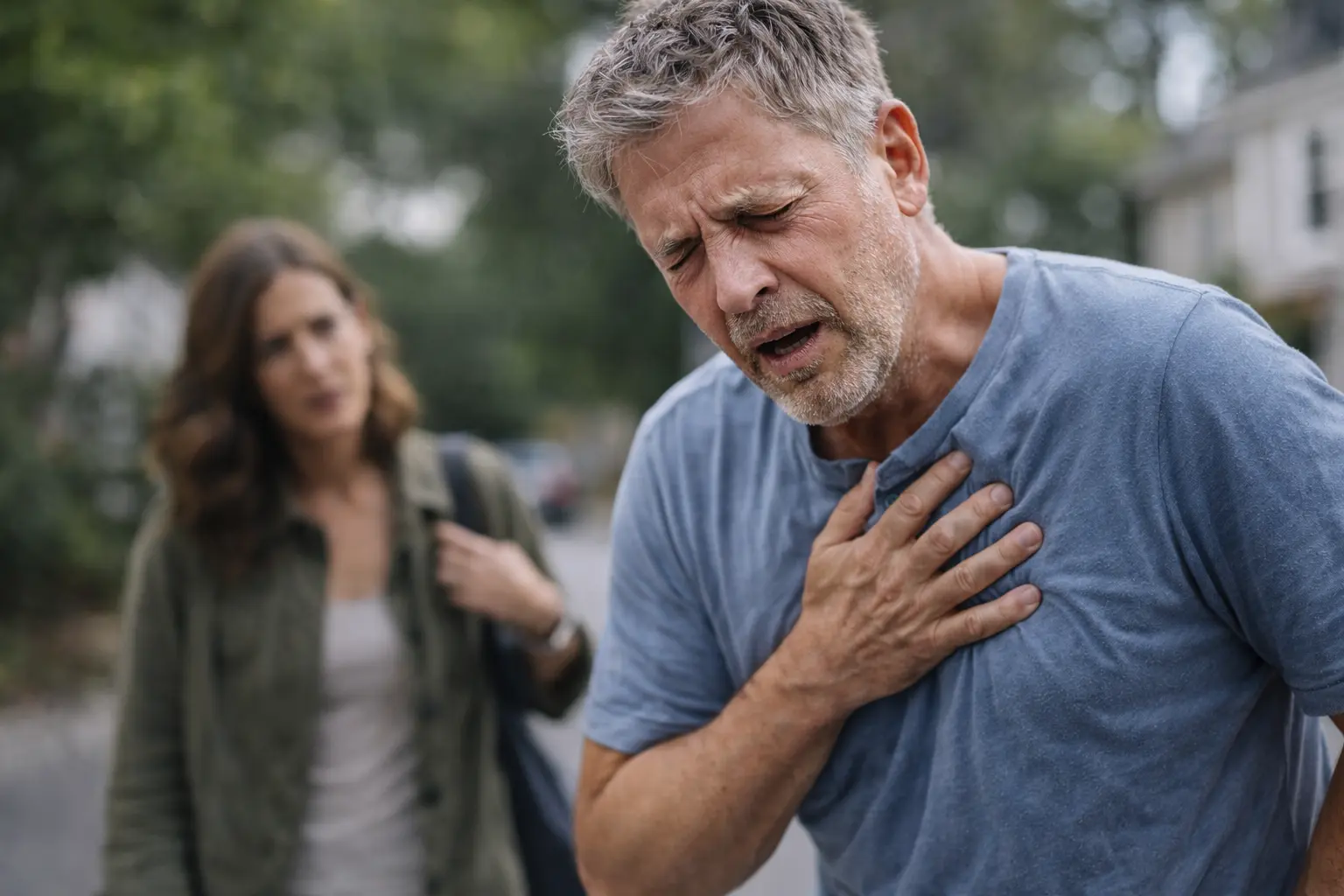
Your chest feels tight, you’re sweating more than usual, and something just feels off, but you can’t quite put your finger on it – these are the heart attack warning signs seniors need to recognize right now before it’s too late.
Spotting the subtle signs
Recognizing early warning signs of heart attacks can mean the difference between a full recovery and a life-altering event. The classic chest pain or discomfort that many people expect isn’t always how it shows up, especially in older adults. You might feel a pressure or tightness in your chest that comes and goes, or a dull ache that radiates to your arm, jaw, or back. Shortness of breath often accompanies these sensations, sometimes appearing even without chest pain. Extreme fatigue that seems disproportionate to your activity level is another key indicator. For example, if climbing stairs leaves you unusually winded or you feel exhausted after a short walk when you normally handle it fine, pay attention. Some seniors describe it as feeling like an elephant sitting on their chest. Others notice their energy draining rapidly during routine tasks. The key is knowing what’s normal for your body and recognizing when something shifts.
- Chest pain or discomfort
- Shortness of breath
- Extreme fatigue
Understanding your body’s signals
As you age, your body communicates differently, and heart attack symptoms can be more subtle or even completely different from what you’ve heard about. Dizziness or lightheadedness might be your first warning sign, making you feel unsteady or confused. Nausea or indigestion that doesn’t respond to antacids can actually be cardiac-related. Upper body pain spreading across your shoulders, neck, or arms deserves immediate attention. Consider this scenario: a 68-year-old woman felt what she thought was heartburn after lunch, took antacids, but the discomfort persisted and spread to her left shoulder. She almost dismissed it as muscle tension until she recognized the pattern matched heart attack symptoms. Some seniors experience jaw pain, tooth ache-like sensations, or unexplained sweating. Women in particular may report atypical symptoms like unusual fatigue, sleep disturbances, or anxiety preceding a cardiac event. Men might feel pressure in the chest combined with arm numbness. The point is this: your body is sending signals. Learning to decode them accurately can save your life.
📘 Fix your day in under 2 minuteschoose where to begin:
Taking action and seeking help
The moment you suspect something cardiac is happening, hesitation becomes your enemy. If you experience chest discomfort, shortness of breath, or any combination of warning signs, call emergency services immediately rather than driving yourself or waiting to see if symptoms pass. Time is critical in heart attack situations, and paramedics can begin treatment during transport. Don’t worry about being wrong or seeming like you’re overreacting. Emergency responders handle potential cardiac events constantly and would far rather respond to a false alarm than miss a real one. Here’s a practical step: if you live alone, keep your phone within reach at all times. If symptoms occur, call 911 first, then unlock your front door or tell a neighbor so responders can access you quickly. If you’re with someone, have them call while you sit down and try to stay calm. Chewing aspirin (if not allergic) while waiting for help can be beneficial, but only if instructed by the dispatcher. Never delay seeking help hoping symptoms will resolve on their own.
Embracing a healthy lifestyle
Prevention is genuinely powerful, and lifestyle changes can significantly reduce your heart attack risk. Regular exercise doesn’t mean running marathons; even 30 minutes of moderate activity like brisk walking, swimming, or gardening most days of the week strengthens your heart. A balanced diet emphasizing vegetables, whole grains, lean proteins, and healthy fats while limiting salt and processed foods protects your cardiovascular system. Stress management through activities like meditation, yoga, or simply spending time with loved ones lowers your blood pressure and heart rate. Consider this example: a 72-year-old man who started walking daily, switched to Mediterranean-style eating, and joined a community gardening group saw his blood pressure drop and felt more energetic within three months. Work with your doctor or a cardiologist to create a personalized plan that fits your abilities and health status. They can recommend specific exercises, dietary adjustments, and medications if needed. Regular check-ups help monitor your cholesterol, blood pressure, and overall cardiac health, catching potential issues before they become emergencies.
Stay informed and stay safe
Knowledge about heart attack warning signs is your first line of defense. Stay current with medical information from reputable sources like the American Heart Association, your healthcare provider, or trusted health websites. Share what you learn with family members so they understand your risk factors and can help watch for warning signs. Keep a list of your medications, allergies, and medical history accessible in case of emergency. Consider wearing a medical alert bracelet if you have significant cardiac risk factors. Subscribe to health updates from your doctor’s office or trusted medical organizations to stay informed about new research and recommendations. Talk openly with your healthcare team about your concerns, family history, and any symptoms you’ve noticed. Some seniors benefit from cardiac rehabilitation programs or support groups where they connect with others managing heart health. These resources provide practical strategies, emotional support, and accountability. The more informed and prepared you are, the more confident and empowered you’ll feel managing your cardiovascular health.
Recognizing and responding to heart attack warning signs is crucial for seniors. By staying informed, taking immediate action, and adopting a healthy lifestyle, you can prioritize your heart health and well-being.
What are the common warning signs of a heart attack?
Common symptoms of a heart attack include chest pain or discomfort, shortness of breath, and extreme fatigue. It is essential to recognize these signs promptly and seek medical help.
How can seniors reduce their risk of heart attacks?
Seniors can reduce their risk of heart attacks by following a healthy lifestyle, including regular exercise, a balanced diet, and stress management. Consulting with healthcare professionals for personalized guidance is also recommended.
Others also read:
Disclaimer: This article is for informational purposes only and is not a substitute for professional medical advice. Always consult a healthcare professional for personal guidance.
This guide has been prepared and reviewed by the GlobalHealthBeacon editorial team and reflects current medical research as of 2026. It provides structured, evidence-based information to support informed health decisions.
