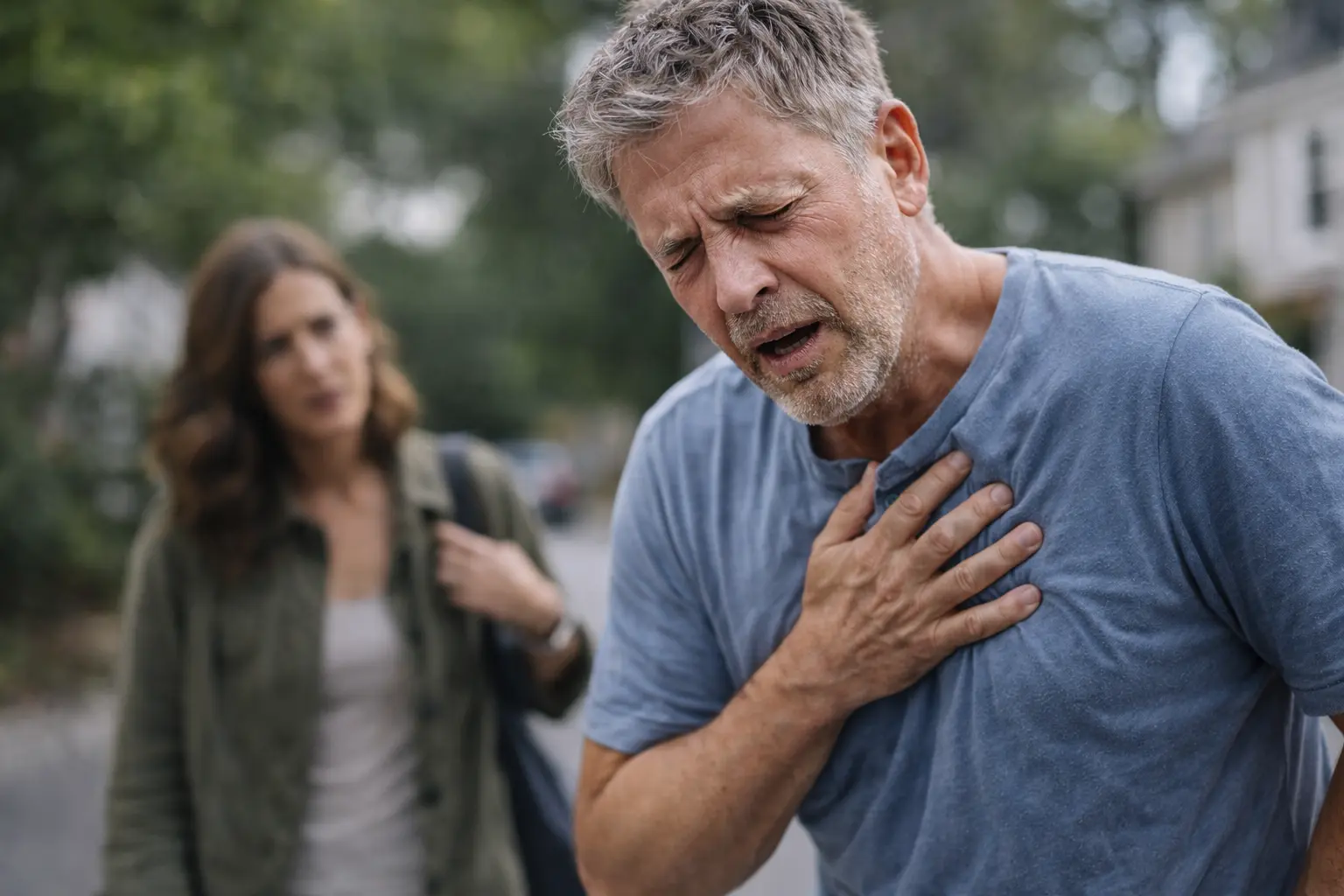
Your chest tightens, your breathing feels off, and suddenly you’re wondering if this is it, if this is what a heart attack actually feels like, and that’s exactly why understanding heart attack warning signs could literally save your life.
Understanding heart attack warning signs
Heart attack warning signs show up differently for everyone, and that’s what makes them tricky to recognize. Picture this: you’re at work and feel a dull pressure in your chest that comes and goes. You might dismiss it as stress or indigestion, but your body could be sending a distress signal. The classic signs include chest discomfort that feels like pressure, squeezing, or heaviness, shortness of breath that happens even when you’re sitting still, and pain radiating through your upper body. Women especially report feeling nausea, jaw pain, or back discomfort rather than the textbook chest pain men typically experience. Cold sweats, lightheadedness, and an overwhelming sense of fatigue can also appear. The key is recognizing that these symptoms often build gradually rather than hitting all at once, which is why many people delay seeking help.
- Chest pain or discomfort, which may feel like pressure, squeezing, fullness, or pain.
- Shortness of breath with or without chest discomfort.
- Upper body pain in one or both arms, the back, neck, jaw, or stomach.
Assessing risk factors
Your risk profile matters more than you might think, and understanding it puts you in control. High blood pressure silently damages your arteries over time, while high cholesterol builds up deposits that narrow blood vessels. Smoking accelerates this process dramatically, even if you only smoke occasionally. Diabetes changes how your body processes blood sugar and damages blood vessel walls. Obesity puts extra strain on your heart, and a sedentary lifestyle weakens your cardiovascular system. Family history also plays a role, so if your parents or grandparents had early heart attacks, you’re at higher risk. Stress and poor sleep quality are often overlooked but significantly increase your chances. The good news? Most of these factors are modifiable. By identifying which ones apply to you, you can create a targeted action plan rather than making vague promises to yourself about getting healthier.
📘 Fix your day in under 2 minuteschoose where to begin:
Prompt action saves lives
When warning signs appear, every minute counts, and hesitation can be deadly. Imagine you’re experiencing chest pain but convince yourself it’s just anxiety or muscle strain. You wait an hour, hoping it passes. Meanwhile, your heart muscle is being starved of oxygen. The moment you suspect a heart attack, call emergency services immediately rather than driving yourself or waiting to see if symptoms worsen. Describe your symptoms clearly to the dispatcher, who can guide you through basic steps while help is on the way. If you’re trained in CPR and someone collapses, starting chest compressions immediately can maintain blood flow to the brain and vital organs until paramedics arrive. Don’t worry about doing it perfectly, doing something is infinitely better than doing nothing. Time is literally heart muscle, and seeking help fast determines whether you walk away with minimal damage or face serious complications.
Maintain a heart-healthy lifestyle
Prevention is far easier than recovery, and small daily choices compound into major protection. Regular exercise doesn’t mean training for a marathon, it means moving your body consistently, whether that’s brisk walking three times weekly, cycling, swimming, or dancing to music you love. A balanced diet emphasizes whole grains, lean proteins, fruits, vegetables, and healthy fats while limiting processed foods, excess sodium, and added sugars. Stress management through meditation, journaling, time with friends, or hobbies directly reduces inflammation in your arteries. Routine check-ups catch rising blood pressure or cholesterol before they become dangerous. Quality sleep allows your heart to rest and repair itself. Limiting alcohol and avoiding smoking or secondhand smoke exposure protects your vessel walls. These aren’t restrictions, they’re investments in your future self, and the benefits extend beyond heart health to better energy, mood, and overall vitality.
Find support in knowledge
Knowledge becomes power when you share it with people who matter to you. Talk openly with family and friends about heart health, especially if you have a family history of heart disease. Teach your loved ones to recognize warning signs so they can help you seek care quickly if something happens. Share this guide with parents, siblings, or friends who might be at risk. Understanding heart attack warning signs isn’t just about protecting yourself, it’s about being the person who knows what to do if someone around you needs help. Stay updated on your own health metrics like blood pressure and cholesterol levels. Follow reputable health sources and ask your doctor questions during check-ups. The more informed you and your circle become, the better equipped everyone is to catch problems early and respond effectively when it matters most.
Recognizing heart attack warning signs promptly, assessing risk factors, and taking immediate action are crucial for saving lives. By adopting a heart-healthy lifestyle and staying informed, you can reduce the risk of a heart attack and promote overall well-being.
What should I do if I suspect a heart attack?
If you suspect a heart attack, call emergency services immediately and describe your symptoms. If trained, administer CPR if necessary while waiting for help to arrive.
Can heart attack warning signs be different for men and women?
Yes, heart attack symptoms can vary between men and women. While men often experience chest pain, women may have subtler symptoms like shortness of breath, nausea, or back pain.
Others also read:
Disclaimer: This article is for informational purposes only and is not a substitute for professional medical advice. Always consult a healthcare professional for personal guidance.
This guide has been prepared and reviewed by the GlobalHealthBeacon editorial team and reflects current medical research as of 2026. It provides structured, evidence-based information to support informed health decisions.
