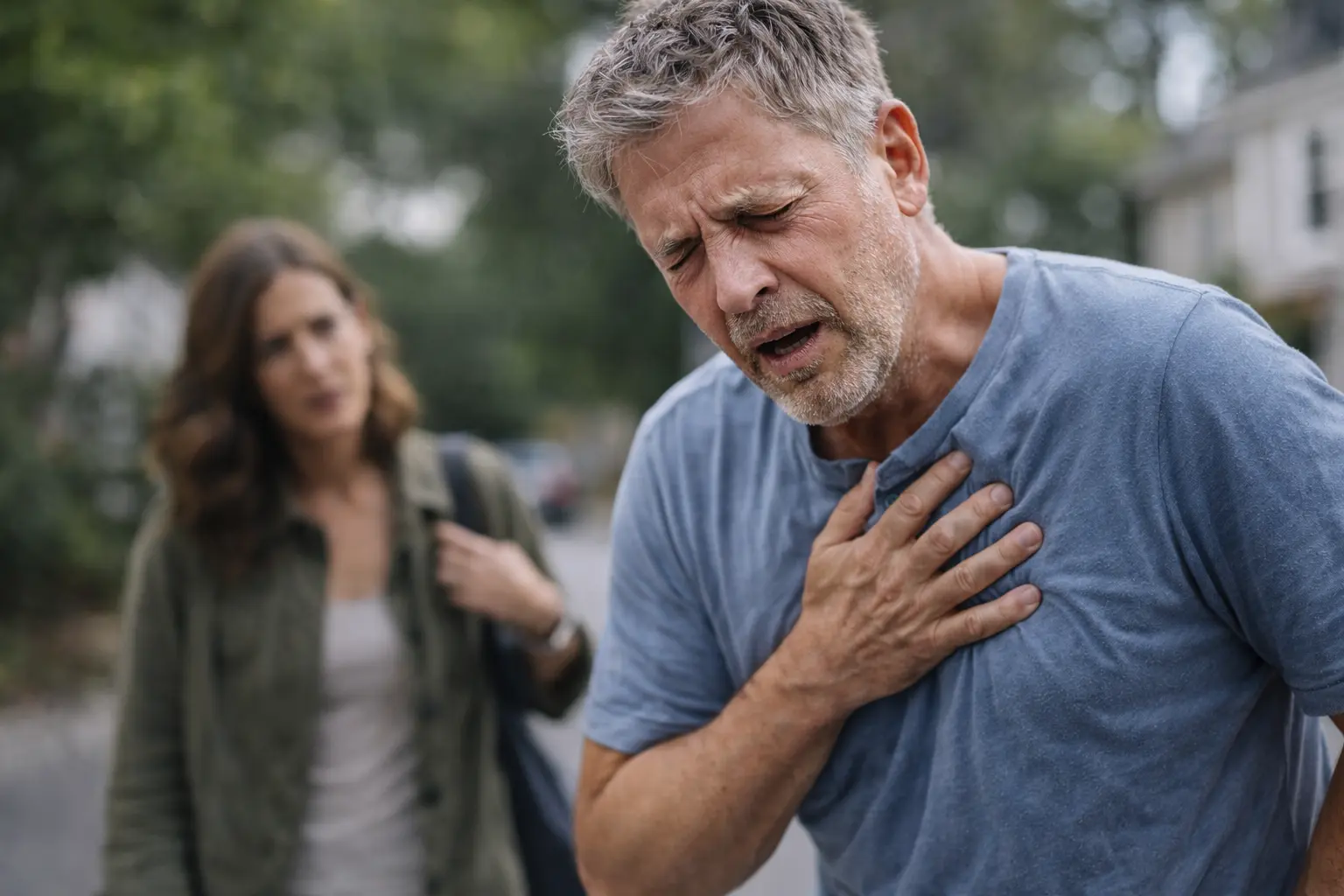
Your chest feels tight, you’re short of breath, and suddenly you’re wondering if this is it – but you’re not sure if what you’re experiencing are real heart attack warning signs or just normal aging, and that uncertainty is terrifying.
Biological changes in aging hearts
As we age, the heart and circulatory system undergo profound structural changes that accumulate over decades. Blood vessel walls gradually lose elasticity, a process called arterial stiffening, which forces the heart to work harder to push blood through increasingly rigid pathways. The heart muscle itself may thicken slightly, and the electrical system that coordinates heartbeats can become less efficient. Consider a 70-year-old compared to a 40-year-old: the older heart must generate more force to achieve the same oxygen delivery. Additionally, the endothelium, the delicate inner lining of blood vessels, becomes more prone to damage and inflammation. These changes don’t happen overnight but accumulate gradually, making the aging heart more vulnerable to stress and less able to recover quickly from physical exertion. Understanding these biological shifts helps explain why seniors face increased cardiovascular risk and why their bodies may signal distress differently than younger adults.
Common heart attack warning signs in seniors
Heart attack symptoms in older adults often differ significantly from the dramatic chest-clutching scenes depicted in movies. While some seniors do experience classic chest pain or pressure, many report a vague discomfort or heaviness that they might initially dismiss as indigestion or fatigue. Shortness of breath, sometimes occurring without any chest sensation, is particularly common in older women and can be mistaken for asthma or normal aging. Fatigue that seems disproportionate to activity level, unusual sweating, nausea, and dizziness are frequent warning signs. Some seniors experience pain radiating to the back, neck, jaw, or arms, which they might attribute to arthritis or muscle strain. In rare cases, confusion or a sudden sense of impending doom occurs. A 68-year-old woman might feel unusually tired while gardening, or a 75-year-old man might experience jaw discomfort he assumes is dental. These atypical presentations delay recognition and treatment, making awareness crucial for both seniors and their families.
Understanding the risk factors
Multiple interconnected risk factors significantly elevate heart attack likelihood in aging populations. Hypertension, or high blood pressure, damages blood vessel walls over time, creating rough surfaces where plaque accumulates more easily. High cholesterol contributes directly to this plaque buildup, narrowing arteries and restricting blood flow. Diabetes compounds cardiovascular risk by damaging blood vessels and affecting how the body processes fats and sugars, creating an environment where heart disease develops more rapidly. Smoking remains one of the most destructive modifiable risks, as it damages vessel linings, increases clotting tendency, and reduces oxygen availability. A sedentary lifestyle weakens the heart muscle and allows weight gain, which stresses the cardiovascular system further. Other significant factors include a family history of early heart disease, chronic stress, sleep disorders, and inflammation markers in the blood. For example, a 72-year-old with untreated high blood pressure, elevated cholesterol, and a smoking history faces compounded risk that multiplies rather than simply adds together. Recognizing which factors apply to you personally is the first step toward meaningful intervention.
- Monitor and manage your blood pressure and cholesterol levels regularly through home monitoring devices and scheduled lab work with your healthcare provider.
- Follow a heart-healthy diet rich in fruits, vegetables, whole grains, and lean proteins while limiting sodium, added sugars, and saturated fats.
- Engage in regular physical activity such as brisk walking, swimming, or cycling for at least 150 minutes weekly to strengthen your heart and improve circulation.
- Quit smoking and limit alcohol intake to protect your heart health and reduce inflammation in your blood vessels.
- Attend routine check-ups with your healthcare provider to track your heart health status, discuss family history, and adjust treatment plans as needed.
- Manage stress through meditation, deep breathing exercises, or activities that bring you joy and peace.
- Maintain a healthy weight through balanced nutrition and consistent physical activity to reduce strain on your heart.
- Get adequate sleep of seven to nine hours nightly, as poor sleep increases cardiovascular risk.
🔬 Science-backed benefits in 2 minuteschoose where to begin:
The role of lifestyle modifications
Lifestyle changes represent some of the most powerful tools available for reducing heart attack risk, and the good news is that improvements can occur at any age. Maintaining a healthy weight reduces the workload on your heart and improves blood pressure and cholesterol naturally. Managing stress through meditation, yoga, or simply spending time in nature activates the parasympathetic nervous system, which calms heart rate and reduces inflammation. Social connection is surprisingly protective: seniors who maintain strong relationships and community involvement have measurably better cardiovascular outcomes than isolated peers. Regular physical activity strengthens the heart muscle, improves circulation, and helps regulate blood sugar and weight. A 70-year-old who takes up walking three times weekly or joins a water aerobics class often sees improvements in blood pressure and energy within weeks. Quality sleep, typically seven to nine hours nightly, allows the body to repair vessel damage and regulate inflammatory processes. Even modest lifestyle shifts, when sustained over time, create measurable improvements in heart health markers and reduce the likelihood of a cardiac event.
Medical interventions and treatments
Modern medicine offers numerous interventions to manage heart conditions and prevent heart attacks in seniors. Medications such as statins reduce cholesterol production, beta-blockers slow heart rate and reduce workload, and ACE inhibitors help blood vessels relax and improve blood flow. Aspirin therapy, when appropriate for individual risk profiles, reduces clotting tendency. For those with significant blockages, procedures like angioplasty or stent placement restore blood flow to narrowed arteries, while bypass surgery creates new pathways around severely blocked vessels. Newer treatments include advanced imaging to detect plaque before symptoms develop, allowing preventive intervention. Your healthcare team evaluates your specific situation, including age, overall health, kidney and liver function, and medication interactions, to determine the most suitable approach. A 75-year-old with multiple risk factors might benefit from combination therapy, while another senior might need only lifestyle modification and one medication. The key is working collaboratively with healthcare professionals to develop a personalized plan that addresses your unique cardiovascular profile and goals.
Seeking immediate medical attention
Recognizing when to seek emergency care can literally mean the difference between life and death. If you experience chest pain or pressure, shortness of breath, unusual fatigue, nausea, dizziness, or pain in the back, neck, jaw, or arms, especially if these symptoms are new or unusual for you, call emergency services immediately rather than waiting or driving yourself. Do not minimize symptoms or assume they will pass. Many seniors delay seeking help because they fear being a bother or worry about false alarms, but emergency responders are trained to evaluate all possibilities and time truly is critical during a heart attack. The first few hours after symptom onset determine how much heart muscle damage occurs and how well you recover. Even if you are unsure whether symptoms warrant emergency care, it is always safer to err on the side of caution. Call 911 or your local emergency number, describe your symptoms clearly, and follow dispatcher instructions. Prompt intervention, whether it involves medications to dissolve clots or procedures to restore blood flow, saves lives and preserves heart function.
Research demonstrates that aging brings natural changes to the heart and blood vessels that increase cardiovascular vulnerability. Seniors face both typical and atypical heart attack warning signs, making education essential for early recognition. Managing modifiable risk factors like blood pressure, cholesterol, weight, and smoking status significantly reduces heart attack likelihood. Lifestyle modifications including regular activity, stress management, and social connection provide powerful protective effects. Modern medical interventions, when appropriate, further reduce risk and improve outcomes. Most importantly, recognizing warning signs and seeking immediate medical attention during a potential cardiac event can save your life and preserve heart function for years to come.
What are the typical warning signs of a heart attack in seniors?
Typical heart attack warning signs in seniors include chest pain, pressure, or heaviness, shortness of breath, fatigue, nausea, and sweating. However, older adults frequently experience atypical symptoms such as confusion, jaw pain, neck discomfort, back pain, or arm pain without significant chest symptoms. Women are particularly likely to report unusual fatigue or shortness of breath as primary warning signs. Any new or unusual symptom warrants immediate medical evaluation.
How can seniors reduce their risk of heart attacks?
Seniors can reduce heart attack risk through multiple approaches: monitor and manage blood pressure and cholesterol with regular check-ups and home monitoring, follow a heart-healthy diet emphasizing fruits, vegetables, and whole grains, engage in regular physical activity like brisk walking or swimming, quit smoking and limit alcohol, maintain a healthy weight, manage stress through meditation or enjoyable activities, prioritize seven to nine hours of quality sleep nightly, and stay socially connected. Working with healthcare providers to determine if medications are appropriate for your individual risk profile is also important.
Others also read:
Disclaimer: This article is for informational purposes only and is not a substitute for professional medical advice. Always consult a healthcare professional for personal guidance.
This article has been prepared and reviewed by the GlobalHealthBeacon editorial team and is based on current medical research and published scientific literature available in 2026. It provides structured, evidence-based information to support informed health decisions.
