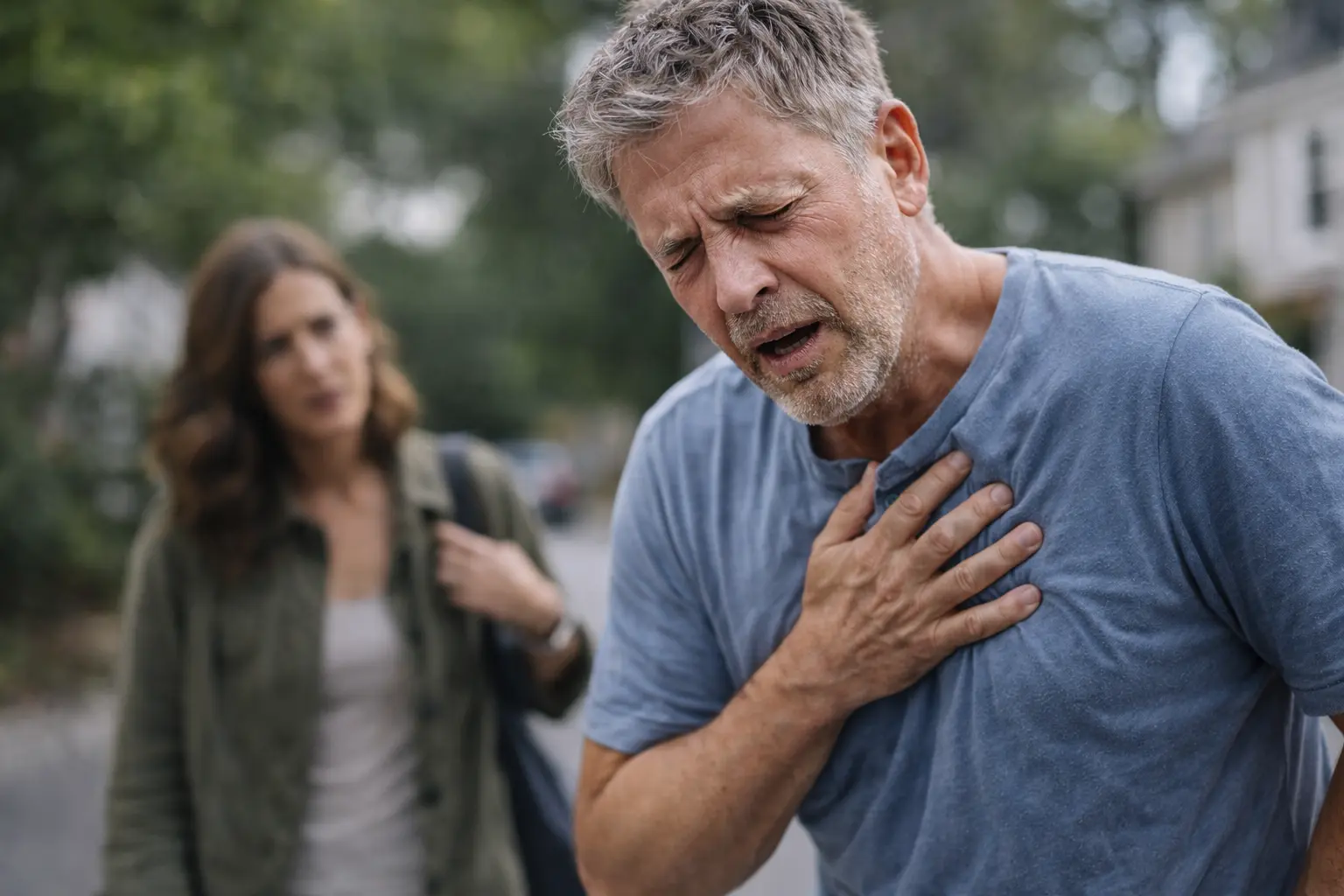
Your chest suddenly tightens during a normal Tuesday, your arm feels heavy, and you’re gasping for air like you just sprinted a mile, but you were sitting on the couch, and that’s when the real fear hits: heart attack warning signs don’t just happen to older people, and ignoring them could cost you everything.
Physical symptoms
When Sarah, 28, felt a crushing pressure across her chest while working at her desk, she almost brushed it off as stress. But that pressure didn’t fade. It radiated down her left arm, and suddenly she couldn’t catch her breath. Heart attack warning signs in young adults often feel like nothing you’ve experienced before, and they demand immediate attention. Beyond the classic chest pain or pressure, you might notice shortness of breath that makes climbing stairs feel impossible, dizziness that spins the room around you, or an exhaustion so extreme that lifting your head feels like lifting a car. Some people describe a burning sensation, others a tight squeezing feeling. The key is recognizing that these symptoms, even if they seem mild or unusual, warrant professional evaluation without delay.
- Chest pain or pressure that comes and goes or stays constant
- Shortness of breath during normal activities or at rest
- Dizziness, lightheadedness, or feeling faint without explanation
Emotional stress
The physical symptoms are terrifying, but the emotional aftermath can be just as overwhelming. After experiencing heart attack warning signs, young adults often spiral into anxiety, replaying every moment wondering if they missed something earlier. Marcus, 31, couldn’t sleep for weeks after his incident, jumping at every heartbeat and convinced another attack was coming. The fear becomes real and consuming. You might feel isolated because your peers are out living carefree lives while you’re hyperaware of every sensation in your body. Panic attacks can mimic heart symptoms, creating a vicious cycle where anxiety triggers physical reactions that feel like another warning. Learning to separate genuine concern from anxiety-driven thoughts takes time and often requires professional support. Acknowledging this emotional toll isn’t weakness, it’s wisdom.
💬 Ready to feel better in 2 minutes?choose where to begin:
Lifestyle adjustments
Once you’ve experienced heart attack warning signs, life changes. Not in a devastating way, but in a way that demands intention and commitment. Jessica, 26, completely overhauled her eating habits, swapping late-night fast food runs for meal-prepped vegetables and lean proteins. She started walking 30 minutes daily, something she never imagined doing before. These adjustments aren’t punishments, they’re investments in your future self. You’ll likely need to evaluate your stress management, whether that means meditation, therapy, yoga, or simply setting boundaries at work. Sleep becomes non-negotiable. Smoking, if it was part of your life, needs to go. Alcohol consumption may need reconsideration. Some young adults find that these changes, while initially feeling restrictive, actually improve their quality of life, giving them more energy and mental clarity than they had before.
Seeking help
Here’s the truth that could save your life: hesitation kills. When you feel chest pain, pressure, shortness of breath, or any combination of concerning symptoms, call emergency services immediately. Don’t drive yourself. Don’t wait to see if it passes. Don’t convince yourself you’re being dramatic. Every minute matters in a heart event, and getting professional evaluation quickly can mean the difference between a full recovery and permanent damage. Young adults often delay seeking help because they feel invincible or because they’re embarrassed to be the young person in the ER. Get over that. Your life is worth more than any awkwardness. After initial treatment, follow up with cardiology appointments, take prescribed medications, and attend cardiac rehabilitation programs if recommended. Building a healthcare team you trust and communicating openly with them about your symptoms and concerns is essential for long-term health.
Understanding the physical symptoms, emotional stress, necessary lifestyle changes, and prompt medical intervention are crucial aspects young adults face in dealing with heart attack warning signs.
Are heart attack warning signs different in young adults?
While heart attack warning signs can be similar across age groups, young adults may experience less typical symptoms such as fatigue, jaw pain, or nausea.
Should young adults be concerned about heart attack risks?
Though rare, heart attacks can affect young adults with certain risk factors like smoking, obesity, and high stress levels. Being aware and proactive is essential.
Others also read:
Disclaimer: This article is for informational purposes only and is not a substitute for professional medical advice. Always consult a healthcare professional for personal guidance.
This article presents an experience-based perspective and has been reviewed by the GlobalHealthBeacon editorial team in 2026. It provides structured, evidence-based information to support informed health decisions.
