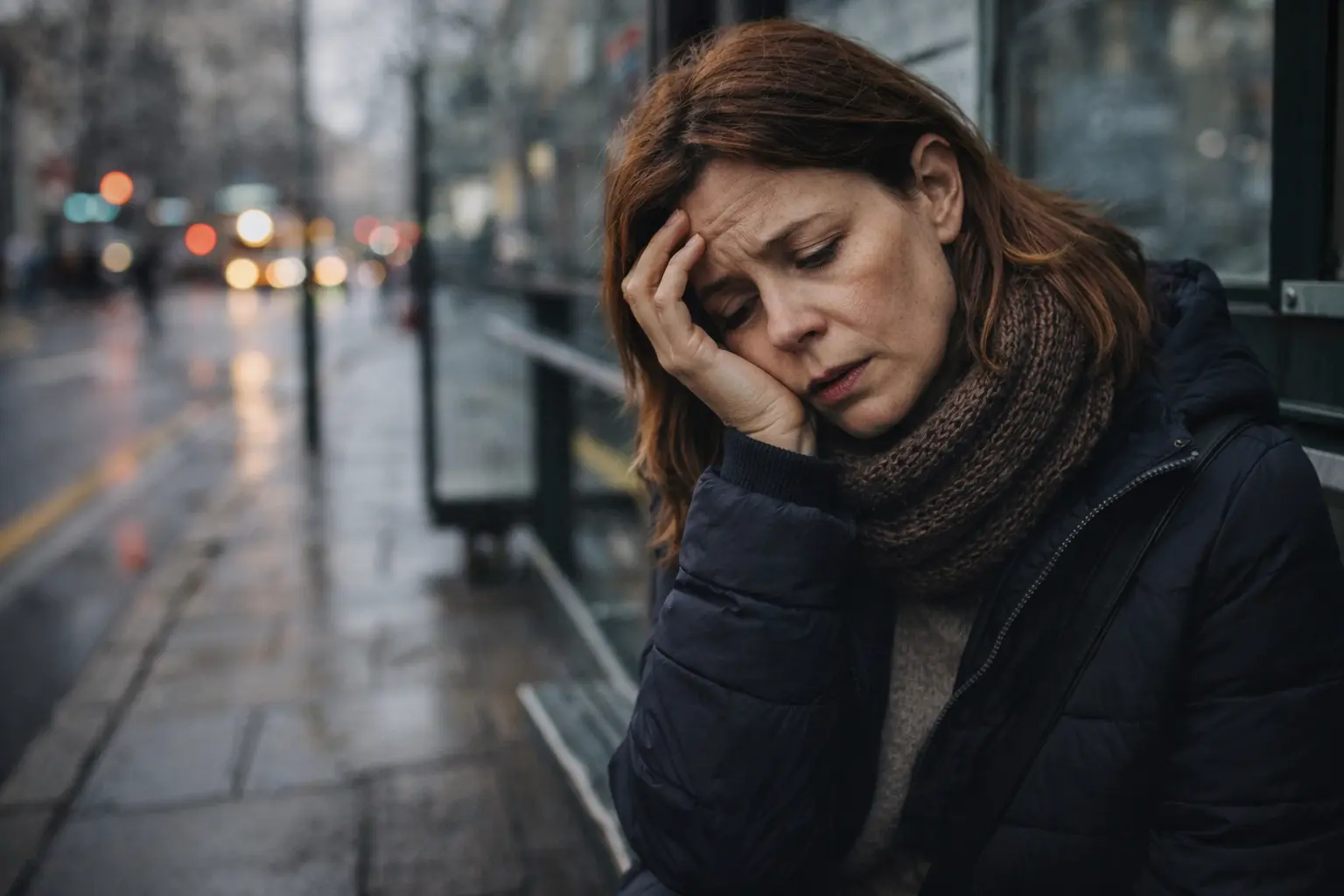
You’re dragging yourself through the day, gaining weight despite eating normally, and feeling cold when everyone else is comfortable – hypothyroidism symptoms can sneak up on you, making you question what’s actually happening to your body.
Recognizing hypothyroidism symptoms
When evaluating hypothyroidism symptoms, seniors often describe a creeping exhaustion that sleep doesn’t fix. You might notice your clothes fitting differently despite no change in eating habits, or find yourself reaching for extra layers while others feel perfectly warm. These aren’t just signs of aging. Dry skin that itches no matter how much lotion you use, thinning hair that comes out more in the shower, and a general weakness in your muscles when climbing stairs or lifting groceries are real signals your thyroid may be underactive. Some seniors also experience brain fog, where thinking feels sluggish, or notice their digestion has slowed considerably. The challenge is that these symptoms develop gradually, making them easy to dismiss as normal aging rather than a treatable medical condition.
- Unexplained weight gain despite stable eating habits
- Persistent fatigue that rest does not relieve
- Increased sensitivity to cold temperatures
Understanding the impact of hypothyroidism
Hypothyroidism affects seniors in ways that ripple through daily life. Your heart may beat more slowly, which can leave you feeling lightheaded when standing up quickly. Constipation becomes a frustrating companion, sometimes leading to uncomfortable digestive issues that affect your quality of life. Beyond the physical toll, cognitive changes can be particularly distressing. Memory feels fuzzy, concentration becomes harder, and some seniors experience mood changes or depression that seem to come from nowhere. A neighbor might notice you’re quieter than usual, or you might feel withdrawn from activities you once enjoyed. The interconnected nature of these symptoms means one problem compounds another. Slowed metabolism affects weight, which affects mobility, which affects mood. Understanding this cascade helps you recognize that these aren’t separate issues but symptoms of a single underlying condition that responds well to treatment.
📘 Fix your day in under 2 minuteschoose where to begin:
Seeking diagnostic clarity
Confirming hypothyroidism requires specific blood work that measures thyroid stimulating hormone (TSH) and thyroid hormone levels. Your doctor will likely order these tests if you report the symptoms described above. The process is straightforward: a simple blood draw, usually in the morning, sends samples to a lab for analysis. Results typically come back within a few days. This is crucial because hypothyroidism symptoms overlap with many other conditions, including depression, arthritis, and normal aging. Without proper testing, you might spend months or years treating the wrong problem. Schedule an appointment with your primary care doctor or an endocrinologist and bring a list of symptoms you’ve noticed, including when they started and how they’ve progressed. Being specific helps your doctor make connections you might miss. Don’t minimize your concerns or assume everything is just part of getting older.
Exploring treatment pathways
Once diagnosed, hypothyroidism treatment typically involves synthetic thyroid hormone replacement, usually levothyroxine taken as a daily pill. Your doctor will start you on a specific dose based on your test results and body weight. The medication works by replacing the hormones your thyroid isn’t producing, gradually restoring your metabolism to normal levels. Finding the right dose takes patience. You’ll likely have follow-up blood tests at six weeks, then again at twelve weeks, to ensure your levels are stabilizing. Some seniors need dose adjustments as their bodies respond. Take your medication consistently, preferably at the same time each day on an empty stomach, as food and certain supplements can interfere with absorption. Many seniors report feeling noticeably better within two to three weeks, though full improvement can take several months. Work closely with your healthcare team, report any side effects or persistent symptoms, and attend all follow-up appointments to monitor your progress.
Embracing lifestyle support
Medication is the foundation of hypothyroidism treatment, but lifestyle choices amplify its effectiveness. A balanced diet rich in selenium, iron, and zinc supports thyroid function. Include foods like Brazil nuts, lean meats, and legumes. Regular physical activity, even gentle walking for thirty minutes most days, helps restore metabolism and improves mood. Stress reduction matters more than many realize. Chronic stress elevates cortisol, which can interfere with thyroid hormone absorption. Try meditation, gentle yoga, or simply spending time in nature. Adequate sleep is non-negotiable. Aim for seven to nine hours nightly, as poor sleep disrupts hormone regulation. Limit caffeine and alcohol, which can interfere with medication effectiveness. Some seniors find that keeping a symptom journal helps them track what’s working and what isn’t. These lifestyle adjustments don’t replace medication but work alongside it, creating a comprehensive approach that addresses hypothyroidism from multiple angles.
Hypothyroidism symptoms in seniors often develop gradually, making them easy to overlook or attribute to normal aging. Recognizing signs like fatigue, weight gain, and cold sensitivity is your first step. Seeking proper diagnosis through thyroid function tests confirms the condition and opens the door to effective treatment. Hormone replacement therapy, combined with lifestyle adjustments including balanced nutrition, regular movement, stress management, and quality sleep, creates a sustainable path forward. Managing hypothyroidism well means reclaiming your energy, mental clarity, and quality of life.
What are the common symptoms of hypothyroidism in seniors?
Common symptoms include persistent fatigue, unexplained weight gain, sensitivity to cold, dry skin, hair loss, muscle weakness, slowed heart rate, constipation, and cognitive changes like brain fog or memory difficulties. Symptoms develop gradually, making them easy to mistake for normal aging.
How is hypothyroidism diagnosed in seniors?
Hypothyroidism is diagnosed through blood tests measuring thyroid stimulating hormone (TSH) and thyroid hormone levels. Your doctor will order these tests based on your reported symptoms. Results typically return within a few days. Consulting a healthcare provider is essential for accurate diagnosis and determining the right treatment approach for your specific situation.
Others also read:
Disclaimer: This article is for informational purposes only and is not a substitute for professional medical advice. Always consult a healthcare professional for personal guidance.
This guide has been prepared and reviewed by the GlobalHealthBeacon editorial team and reflects current medical research as of 2026. It provides structured, evidence-based information to support informed health decisions.
