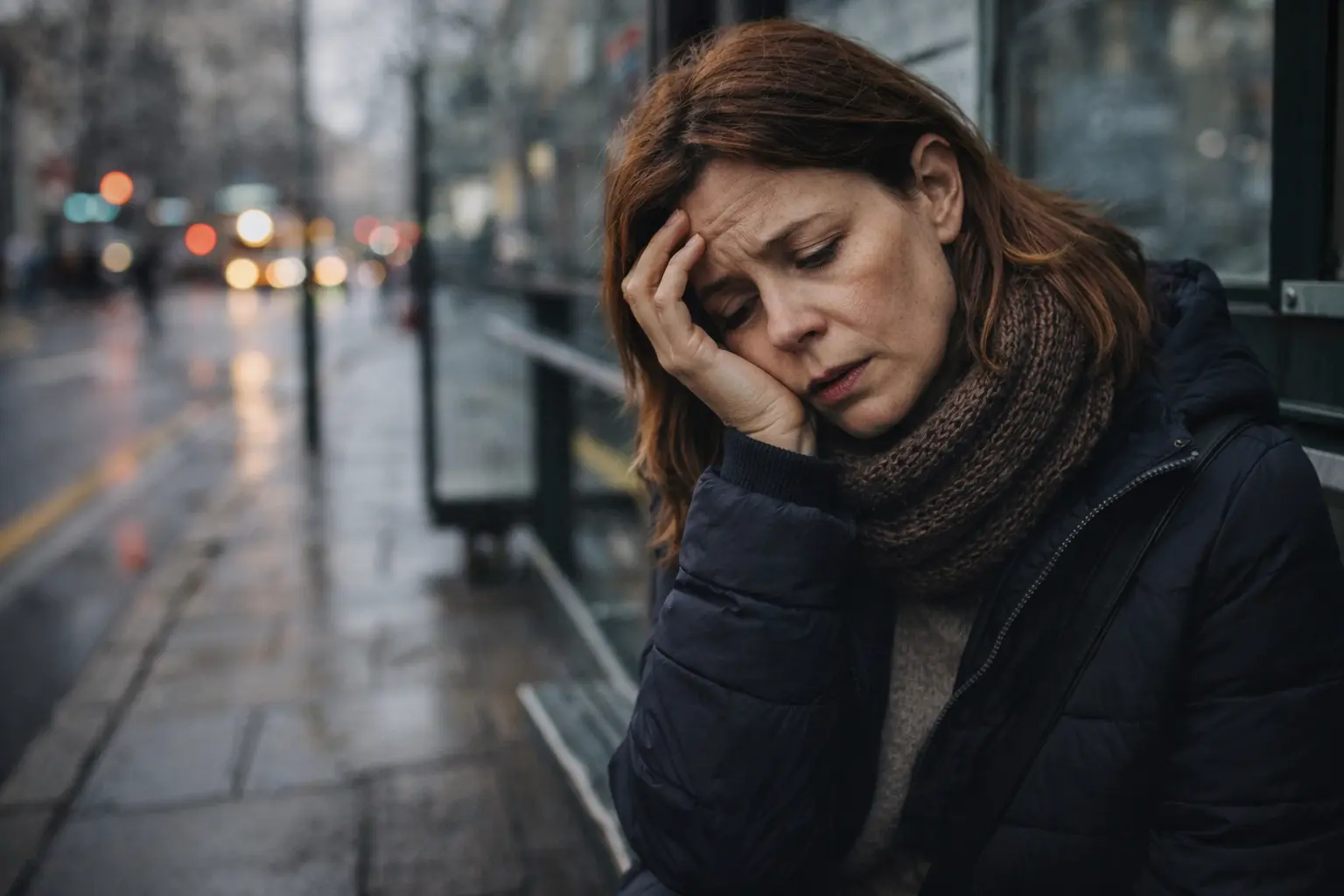
You wake up exhausted even after eight hours of sleep, your clothes fit differently, and nothing seems to warm you up anymore – these frustrating shifts might be hypothyroidism symptoms trying to tell you something important.
Understanding hypothyroidism
Hypothyroidism occurs when your thyroid gland, a small butterfly-shaped organ in your neck, fails to produce adequate amounts of thyroid hormone. Think of your thyroid as your body’s metabolic engine. When it runs at reduced capacity, everything slows down. This hormone acts as a chemical messenger, instructing your cells how quickly to burn fuel and generate energy. Without sufficient thyroid hormone, your metabolism becomes sluggish, affecting everything from how fast your heart beats to how efficiently your digestive system works. For seniors, understanding this mechanism matters because thyroid function naturally declines with age, and the condition becomes increasingly common after 60. The thyroid also influences body temperature regulation, mood, and cognitive function, which explains why hypothyroidism symptoms can feel so pervasive and interconnected rather than isolated.
Common symptoms of hypothyroidism
Hypothyroidism symptoms often develop so gradually that seniors may not immediately recognize them as a health issue. Fatigue stands out as the most prevalent symptom, but not the ordinary tiredness from a busy day. This is a bone-deep exhaustion that persists despite adequate rest. Weight gain frequently accompanies this fatigue, often appearing around the midsection even without dietary changes. Constipation becomes more pronounced because your digestive system moves more slowly. Dry skin and brittle nails reflect how the condition affects your skin’s moisture retention. Cold sensitivity intensifies, leaving you reaching for sweaters when others feel comfortable. Hair may thin or become coarser. Some seniors report brain fog, difficulty concentrating, or mood changes including depression. The challenge lies in recognizing these symptoms as interconnected rather than separate age-related complaints. A 68-year-old woman might attribute her weight gain to menopause, her fatigue to normal aging, and her dry skin to winter weather, missing the underlying thyroid dysfunction entirely.
Diagnosing hypothyroidism
Accurate diagnosis requires specific blood work that measures thyroid function markers. Your healthcare provider will order tests measuring thyroid-stimulating hormone (TSH), which your pituitary gland produces to signal the thyroid to work harder, and thyroxine (T4), the primary hormone your thyroid produces. When thyroid hormone levels drop, TSH typically rises as your body attempts compensation. A normal TSH range typically falls between 0.4 and 4.0 milliunits per liter, though this varies slightly between laboratories. Some seniors experience subclinical hypothyroidism, where TSH is elevated but T4 remains normal, representing an earlier stage of thyroid dysfunction. Your healthcare provider may also test free T4 and thyroid peroxidase antibodies if autoimmune thyroiditis is suspected. The diagnostic process is straightforward but requires proper interpretation. A simple blood draw, usually done in the morning when hormone levels are most stable, provides the definitive answer. Many seniors delay testing because they attribute symptoms to normal aging, missing an easily treatable condition.
- Consult your healthcare provider if you suspect you have hypothyroidism symptoms, bringing a list of changes you have noticed over recent months.
- Discuss your symptoms and medical history with your healthcare provider, including family history of thyroid disease and any medications you currently take.
- Undergo blood tests to measure thyroid hormone levels accurately, typically fasting in the morning for most reliable results.
🔬 Science-backed benefits in 2 minuteschoose where to begin:
Treatment options for hypothyroidism
Treatment for hypothyroidism centers on hormone replacement therapy, most commonly using levothyroxine, a synthetic form of T4 hormone. This medication replaces what your thyroid cannot produce, restoring your body’s hormone levels to normal range. Your healthcare provider determines the appropriate starting dose based on your age, weight, other medications, and severity of hormone deficiency. Treatment typically begins with a conservative dose that gradually increases until symptoms resolve and blood tests show normal hormone levels. Most seniors require between 25 and 200 micrograms daily, taken on an empty stomach for optimal absorption. The adjustment period usually spans several weeks to months because your body needs time to respond to changing hormone levels. Once stabilized, you’ll need periodic blood tests to ensure your dose remains appropriate, as thyroid hormone requirements can shift over time. Some seniors experience initial side effects like increased heart rate or anxiety during dose adjustment, which typically resolve as your body adapts. The goal is finding your individual sweet spot where symptoms disappear and you feel like yourself again.
Lifestyle adjustments for managing hypothyroidism
While medication forms the foundation of hypothyroidism management, lifestyle choices significantly influence how well you feel and how effectively your body utilizes thyroid hormone. Nutrition matters considerably because your thyroid requires iodine, selenium, and zinc to function optimally. Including seafood, eggs, and dairy in your diet provides natural iodine sources. Regular physical activity, even gentle walking for 30 minutes most days, improves metabolism and mood while supporting weight management. Stress management becomes increasingly important because chronic stress elevates cortisol, which can interfere with thyroid hormone absorption and utilization. Quality sleep allows your body to regulate hormones properly, so establishing consistent sleep schedules and creating restful bedroom environments matters. Some seniors find that spacing their levothyroxine dose four to six hours away from calcium supplements, iron supplements, or certain foods improves absorption. Staying hydrated supports metabolic function. Avoiding excessive soy consumption, which can interfere with iodine absorption in some individuals, represents another practical consideration. These adjustments work alongside medication, not as replacements, creating a comprehensive approach to managing your thyroid health.
Research and progress in hypothyroidism science
The field of thyroid medicine continues evolving as researchers investigate improved diagnostic methods and more personalized treatment approaches. Recent studies examine why some seniors experience persistent symptoms despite normal TSH levels, exploring whether individual variations in hormone sensitivity require different treatment strategies. Scientists investigate the role of thyroid antibodies in autoimmune thyroiditis, potentially identifying which seniors might benefit from different interventions. Emerging research explores how aging affects thyroid hormone metabolism and whether older adults require different dosing approaches than younger patients. Some studies examine combination therapy using both T4 and T3 hormones for patients who don’t feel well on levothyroxine alone, though this remains controversial. Researchers also investigate the connection between thyroid dysfunction and other age-related conditions like cognitive decline and cardiovascular disease. Staying informed about these developments helps you have more informed conversations with your healthcare provider about your individual situation. Clinical trials continue recruiting participants, and some seniors may benefit from discussing whether participation aligns with their health goals and circumstances.
Hypothyroidism represents a common condition in seniors where the thyroid gland produces insufficient hormone, affecting metabolism, energy, and overall wellbeing. Recognizing hypothyroidism symptoms like fatigue, weight gain, and cold sensitivity matters because diagnosis involves straightforward blood tests measuring TSH and T4 levels. Treatment typically includes levothyroxine hormone replacement therapy tailored to individual needs, combined with lifestyle adjustments supporting thyroid function. Ongoing research continues improving our understanding of how aging affects thyroid disease and how to optimize treatment for seniors. Understanding this condition empowers you to recognize symptoms early and work effectively with your healthcare provider toward better health outcomes.
Can hypothyroidism symptoms be managed without medication?
While lifestyle modifications including diet, exercise, stress management, and adequate sleep can help alleviate some symptoms and support overall thyroid health, most cases of hypothyroidism require hormone replacement therapy prescribed by a healthcare provider. Lifestyle changes work best as complementary strategies alongside medication rather than replacements for it. Your healthcare provider can discuss whether your specific situation might benefit from lifestyle adjustments alone or requires medication.
Are there natural remedies for hypothyroidism symptoms?
Natural approaches like dietary iodine from seafood and eggs, selenium from nuts and seeds, and zinc from legumes may support thyroid function. However, these dietary sources work best as part of a balanced diet rather than as standalone treatments for diagnosed hypothyroidism. Supplements require careful consideration because some can interfere with medication absorption. Always consult your healthcare provider before starting supplements to ensure they are safe and appropriate for your specific condition and current medications.
Others also read:
Disclaimer: This article is for informational purposes only and is not a substitute for professional medical advice. Always consult a healthcare professional for personal guidance.
This article has been prepared and reviewed by the GlobalHealthBeacon editorial team and is based on current medical research and published scientific literature available in 2026. It provides structured, evidence-based information to support informed health decisions.
