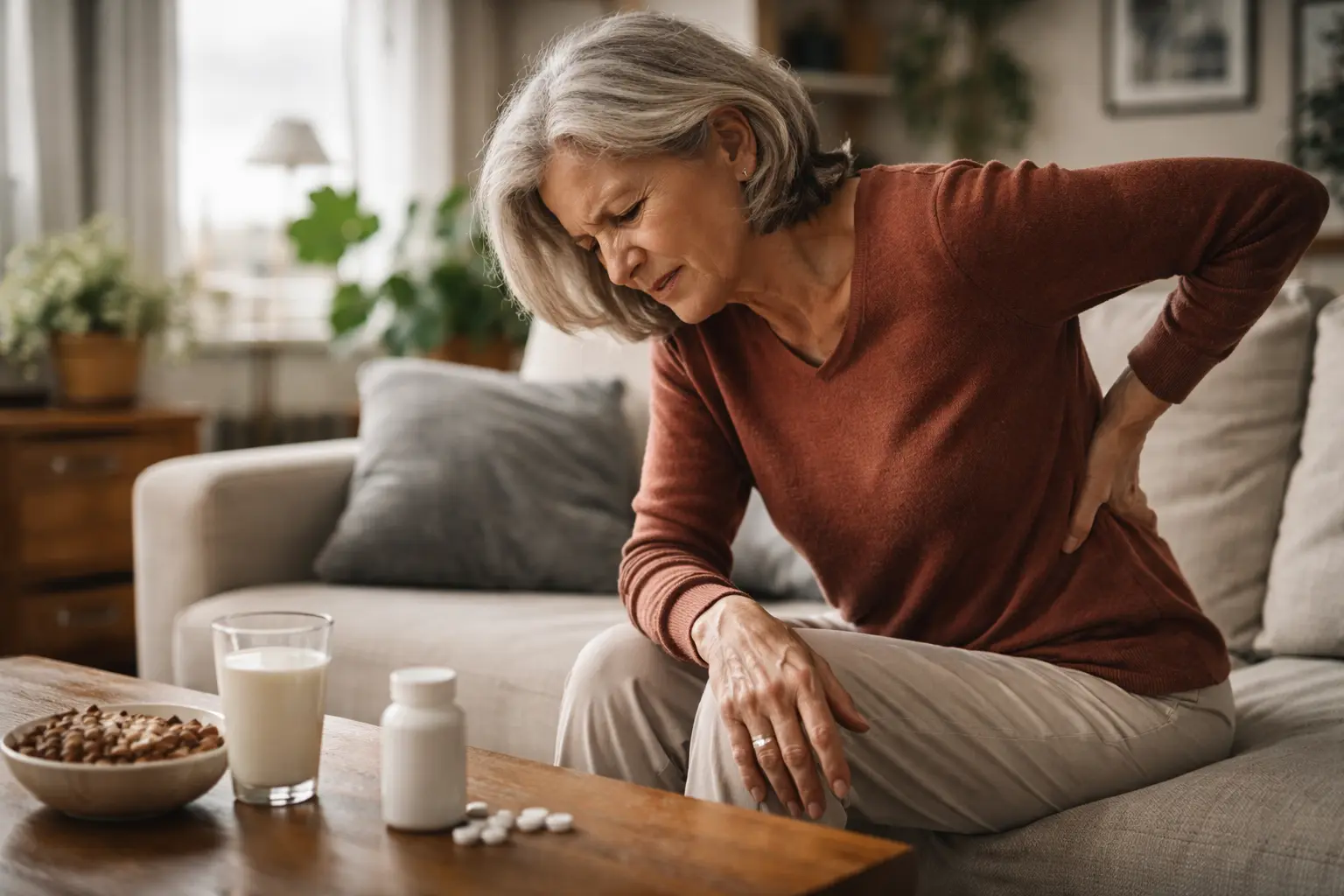
You notice your back starting to hunch, a fall that should have been nothing leaves you bruised for weeks, and suddenly you are terrified of breaking a bone from something as simple as a sneeze – these are the wake-up calls that make understanding osteoporosis risk factors absolutely critical for your health and independence.
Age and gender
Think of your bones like a bank account. When you are younger, you are making deposits and building up a strong reserve. But as you age, especially after 50, your body starts making withdrawals faster than deposits. For women, menopause is the turning point. When estrogen levels drop, bone loss accelerates dramatically. A 65-year-old woman might lose bone density three times faster than a man the same age. Men are not immune, though. After 70, their risk climbs steeply too. The reality is that one in three women over 50 will experience an osteoporosis-related fracture in her lifetime. This is not just about feeling older; it is about maintaining the ability to walk, garden, play with grandchildren, and live independently. Regular bone density screening, called a DEXA scan, becomes essential after 65 for women and 70 for men, or earlier if other risk factors are present.
- Aging leads to decreased bone density and strength
- Postmenopausal women have reduced estrogen levels, impacting bone health
- Regular bone density tests are recommended for older adults
Nutrition and diet
Your bones need calcium and vitamin D the way a house needs a solid foundation. Without them, everything becomes fragile. Many seniors unknowingly consume far less calcium than they need. A 70-year-old woman requires 1,200 milligrams daily, yet many get only half that. Vitamin D is equally critical because it helps your body absorb calcium. Without enough vitamin D, calcium passes right through you. Picture this scenario: Margaret, 68, thought she was eating well with her morning cereal and occasional cheese, but her bone scan revealed significant loss. When her doctor reviewed her diet, she was getting only 600 milligrams of calcium daily and almost no vitamin D. After adding fortified milk, leafy greens, fatty fish like salmon, and a vitamin D supplement, her next scan showed improvement. Common mistakes include relying on supplements alone without food sources, avoiding dairy due to lactose concerns when lactose-free options exist, or not getting enough sunlight exposure which naturally boosts vitamin D production.
📘 Fix your day in under 2 minuteschoose where to begin:
Physical activity
Bones respond to stress and movement. When you use your muscles, they pull on your bones, sending a signal to strengthen them. Sedentary seniors lose bone density rapidly, sometimes as much as 1 percent per year. Weight-bearing exercises like walking, dancing, or climbing stairs force your bones to work against gravity. Resistance training with light weights or resistance bands builds both muscle and bone strength simultaneously. Consider Robert, 72, who spent most days reading and watching television. His doctor warned him about osteoporosis risk, so he joined a gentle dance class twice weekly and started walking 30 minutes most days. Within two years, his bone density stabilized and even improved slightly. The key is consistency, not intensity. Even 30 minutes of moderate activity most days makes a measurable difference. Common mistakes include thinking you are too fragile to exercise, doing only cardio without resistance work, or stopping activity due to fear of falling when movement actually reduces fall risk by improving balance and strength.
Medical history and medications
Certain health conditions silently weaken bones. Rheumatoid arthritis, celiac disease, kidney disease, and thyroid disorders all increase osteoporosis risk. Some medications are bone thieves. Corticosteroids like prednisone, used for asthma, lupus, or COPD, accelerate bone loss significantly. Long-term use of certain blood pressure medications and some cancer treatments also affect bone density. If you take corticosteroids regularly, your bones need extra protection through higher calcium and vitamin D intake, exercise, and possibly bone-strengthening medications. Helen, 70, took prednisone for rheumatoid arthritis for five years without realizing the impact on her bones. When she fractured her wrist from a minor fall, her doctor discovered advanced bone loss. She then started calcium and vitamin D supplementation, began water aerobics to protect her joints while strengthening bones, and discussed alternative medications with her rheumatologist. The lesson: review all medications and conditions with your doctor to understand your specific bone health risks and what protective measures you need.
Lifestyle factors
Smoking and excessive alcohol are direct attacks on bone health. Smoking reduces blood flow to bones and interferes with calcium absorption, while heavy alcohol consumption disrupts the balance of bone-building cells. Just three or more drinks daily for women accelerates bone loss. Sun exposure matters too. Your skin produces vitamin D when exposed to sunlight, yet many seniors avoid sun due to skin cancer concerns. The solution is balance: 10 to 30 minutes of midday sun several times weekly, depending on skin tone and location, provides vitamin D without excessive UV exposure. James, 75, was a former smoker who drank wine nightly. After his osteoporosis diagnosis, he quit smoking completely and reduced alcohol to one drink daily. He started spending 20 minutes outdoors most mornings and added a vitamin D supplement. These changes, combined with exercise and better nutrition, significantly improved his bone density within 18 months. The point is that lifestyle changes are powerful and within your control right now.
Osteoporosis develops quietly, often without symptoms until a fracture occurs. Understanding your specific osteoporosis risk factors, including age, gender, nutrition status, physical activity level, medical conditions, medications, and lifestyle choices, gives you the power to act now. Each factor is modifiable to some degree. You cannot change your age or gender, but you can strengthen nutrition, increase movement, review medications with your doctor, and make lifestyle improvements. The combination of these actions creates real protection for your bones and your independence.
What are the main risk factors for osteoporosis in seniors?
The main risk factors for osteoporosis in seniors include age, gender (especially for postmenopausal women), inadequate nutrition, lack of physical activity, certain medical conditions, and poor lifestyle choices.
How can seniors reduce their risk of osteoporosis?
Seniors can reduce their risk of osteoporosis by ensuring they get enough calcium and vitamin D, engaging in weight-bearing exercises, discussing bone health with their healthcare provider, managing medical conditions effectively, and adopting a healthy lifestyle.
Others also read:
Disclaimer: This article is for informational purposes only and is not a substitute for professional medical advice. Always consult a healthcare professional for personal guidance.
This guide has been prepared and reviewed by the GlobalHealthBeacon editorial team and reflects current medical research as of 2026. It provides structured, evidence-based information to support informed health decisions.
