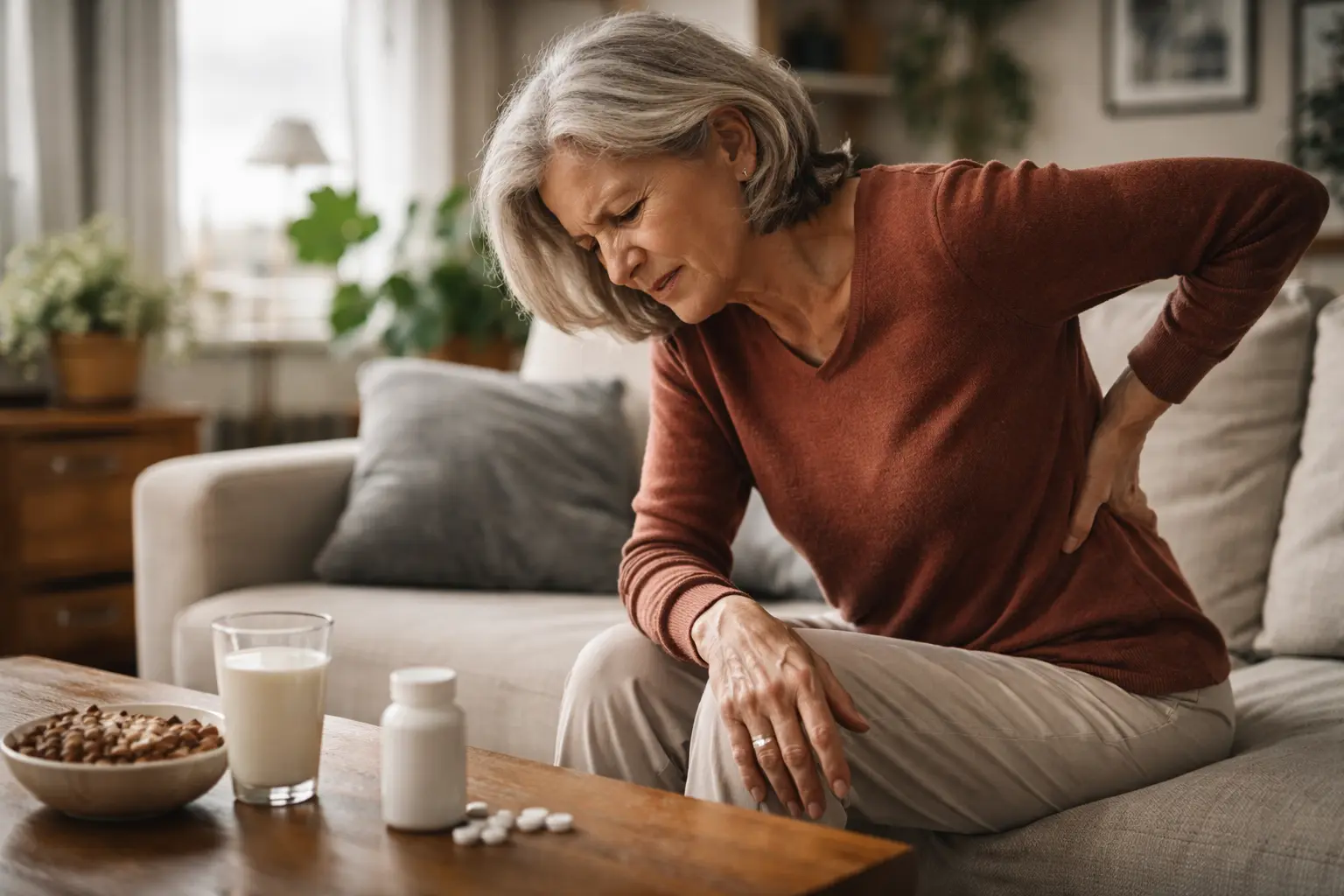
I was exhausted all the time, chalking it up to work stress until my doctor mentioned osteoporosis risk factors during a routine visit, and suddenly everything clicked into place like a puzzle I didn’t know I was solving.
Understanding osteoporosis risk factors
When I first heard the term osteoporosis, I thought it was something that only affected older people, especially women past menopause. But then my doctor sat me down and explained that this silent disease can start weakening your bones decades before you feel any real damage. It’s like your skeleton is slowly losing its structural integrity without sending obvious alarm bells. The risk factors are sneaky and often interconnected: genetics play a huge role (my grandmother had it), but so do everyday habits like not getting enough calcium from dairy or leafy greens, spending too much time sitting at a desk instead of moving around, smoking, drinking too much alcohol, and hormonal imbalances that can happen even in your twenties. I realized I had several of these stacked against me, which is why catching it early mattered so much.
- Family history of osteoporosis increases vulnerability and means you should start thinking about bone health earlier than most.
- Inadequate calcium intake from diet can weaken bones over time, especially if you skip dairy or don’t eat enough calcium-rich foods.
- Lack of physical activity hinders bone strength and density, making sedentary jobs particularly risky for young adults.
Managing your bone health early
Once I understood my risk factors, I stopped feeling helpless and started taking actual steps. The first thing I did was look at my diet. I wasn’t eating enough calcium, so I started adding more Greek yogurt to breakfast, switched to fortified plant-based milk, and made sure to eat leafy greens at least three times a week. Then came the exercise part, which honestly felt intimidating at first. But I learned that weight-bearing exercises like walking, jogging, or even dancing don’t have to be intense. I started with thirty-minute walks most days and added some light strength training twice a week. I also quit smoking (which I’d been meaning to do anyway) and cut back on alcohol significantly. The hormonal piece was trickier, but my doctor helped me understand how stress and sleep affect my hormones, so I got serious about bedtime routines. These changes felt manageable because I wasn’t trying to overhaul everything at once.
💬 Ready to feel better in 2 minutes?choose where to begin:
Regular screenings for prevention
Getting my first bone density scan was honestly anticlimactic, which was actually a good thing. The DEXA scan took about ten minutes and didn’t hurt at all. I just lay on a table while a machine scanned my spine and hip. What mattered was what came after: having actual numbers that showed where my bone density stood. My doctor explained that I wasn’t at the osteoporosis stage yet, but I was heading that direction if I didn’t make changes. That concrete information was powerful because it made the risk real and actionable. We created a personalized plan based on my specific numbers, my lifestyle, and my family history. Now I have a baseline to compare future scans against. Early detection isn’t about panic; it’s about having a roadmap so you can prevent problems before they become serious fractures or complications.
Lifestyle modifications for strong bones
The changes I made weren’t revolutionary, but they were consistent. I started taking a calcium supplement every morning with breakfast because I knew I wasn’t getting enough from food alone. My strength training routine became something I actually looked forward to instead of dreaded. I discovered that weight-bearing exercises like hiking made me feel stronger and more energized, not just in my bones but mentally too. I paid attention to my sleep because I learned that poor sleep messes with your hormones, which affects bone density. I also started tracking my vitamin D levels since I live somewhere with limited winter sunlight. The key was understanding that these weren’t temporary fixes but lifestyle shifts that would compound over time. Small daily choices about movement, nutrition, and self-care added up to real changes in how I felt and how my bones were building strength.
Understanding the risk factors and taking proactive measures are key to preventing osteoporosis in young adults. Lifestyle modifications and early screenings play a vital role in preserving bone health and reducing the likelihood of fractures.
At what age should I consider getting screened for osteoporosis?
For young adults with risk factors like family history or lifestyle habits that affect bone health, it is advisable to discuss screening with a healthcare provider as early as in the mid-20s.
Can osteoporosis be reversed with lifestyle changes?
While bone loss can’t be completely reversed, adopting a healthy lifestyle with adequate calcium intake, exercise, and avoiding risk factors like smoking and excessive alcohol can help maintain bone density and prevent further deterioration.
Others also read:
Disclaimer: This article is for informational purposes only and is not a substitute for professional medical advice. Always consult a healthcare professional for personal guidance.
This article presents an experience-based perspective and has been reviewed by the GlobalHealthBeacon editorial team in 2026. It provides structured, evidence-based information to support informed health decisions.
