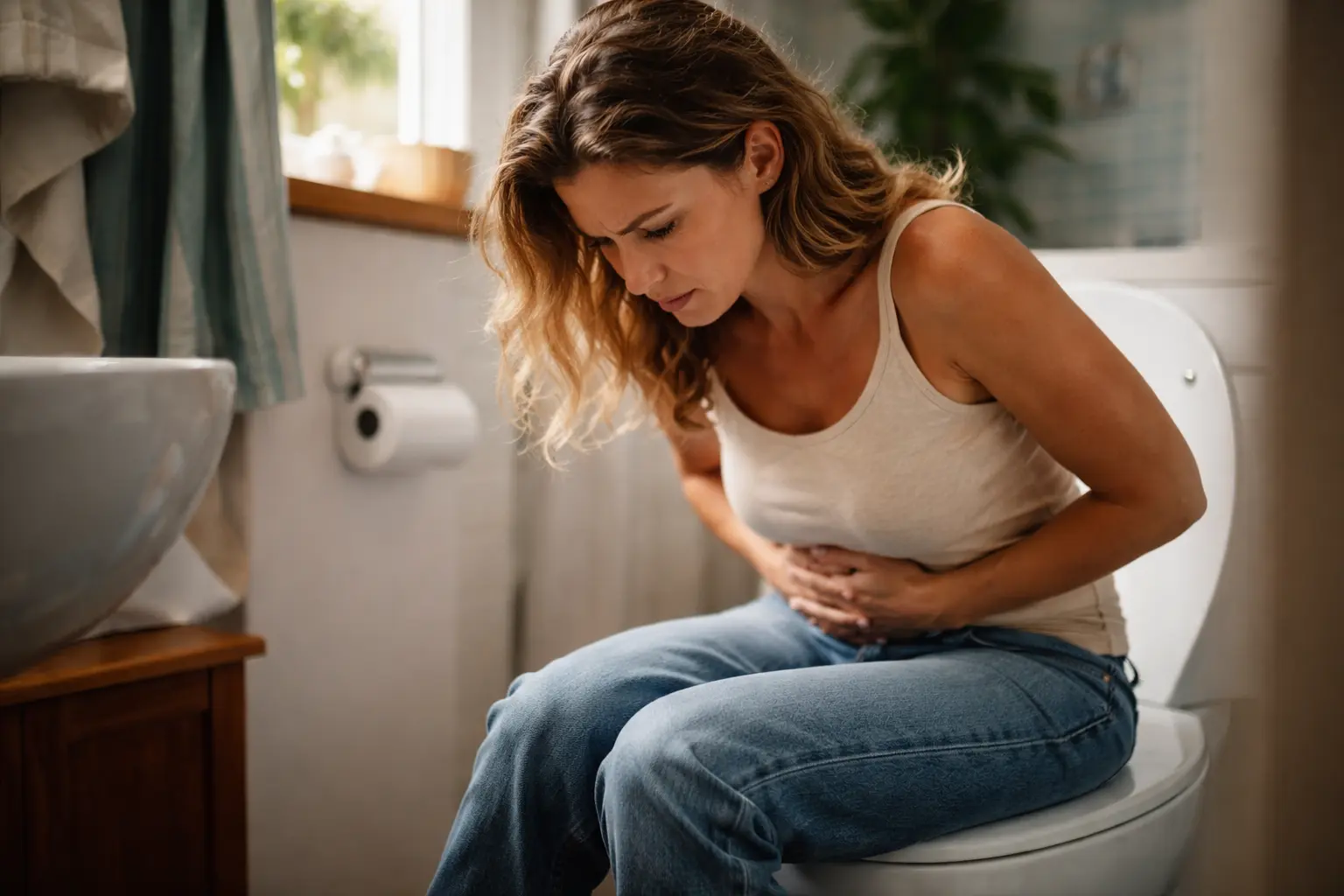
Stuck running to the bathroom at the worst possible moments, feeling bloated and exhausted, wondering what on earth triggered this mess – diarrhea causes explained so you can finally get your life back.
Understanding the causes of diarrhea
Diarrhea doesn’t just happen randomly. It’s your body’s way of signaling that something needs attention, and pinpointing the trigger is genuinely the first step toward relief. For women specifically, causes can range from infections picked up from contaminated food or water to hormonal shifts during your menstrual cycle, medication side effects, food intolerances like lactose or gluten sensitivity, stress responses, or even changes in your gut bacteria. Consider a scenario: you had sushi last Friday, and by Saturday morning you’re dealing with urgent bathroom trips. That’s likely foodborne bacteria. Or perhaps you recently started a new antibiotic, and suddenly your digestion is completely off balance. That’s a medication reaction. Some women notice diarrhea flares up right before their period due to hormonal fluctuations affecting gut motility. The key is connecting the dots between timing, dietary changes, stress levels, and your symptoms to identify your specific trigger.
- Track the timing of your symptoms and note any recent changes in diet, medications, or stress levels to identify patterns.
- Consider hormonal cycles, recent travel, or exposure to new foods or water sources as potential contributors.
- Document what you ate in the 24 hours before symptoms started to spot food-related triggers.
- Reach out to a healthcare provider if symptoms persist beyond two days or are accompanied by fever, blood, or severe cramping.
Managing diarrhea with diet
What you eat during a diarrhea episode directly impacts how quickly you recover. The BRAT diet (bananas, rice, applesauce, and toast) remains a trusted approach because these foods are bland, easy to digest, and help firm up stool without overwhelming your system. Beyond BRAT basics, consider adding plain chicken broth, crackers, boiled potatoes, or plain oatmeal to your rotation. Think of it this way: your digestive system is temporarily stressed and needs gentle, predictable foods it can process without effort. Avoid anything spicy, greasy, or high in fiber for now, as these trigger more cramping and urgency. Skip dairy if you suspect lactose sensitivity, and stay away from high-fat foods that accelerate intestinal movement. Many women find that eating smaller, frequent meals rather than three large ones helps reduce symptoms. For example, instead of a full breakfast, try a banana with toast every two hours. This approach keeps your system calm while still providing nutrients. As symptoms improve over a few days, gradually reintroduce normal foods one at a time to identify any remaining sensitivities.
📘 Fix your day in under 2 minuteschoose where to begin:
Hydration and rest
Diarrhea drains your body of fluids and electrolytes faster than you realize, which is why hydration becomes your top priority. Water alone isn’t always enough. Sip on oral rehydration solutions, coconut water, clear broths, or herbal teas like ginger or chamomile, which also soothe inflammation. Aim for small, frequent sips rather than gulping large amounts, which can trigger more urgency. A practical example: keep a water bottle within arm’s reach and take a few sips every 15 minutes rather than drinking a full glass at once. Your body also needs rest to recover. This means giving yourself permission to slow down, cancel non-essential plans, and let your body focus energy on healing rather than pushing through your day. Many women underestimate how much rest matters because they’re used to powering through. But diarrhea is your body’s signal that it needs a break. Lie down, avoid strenuous activity, and allow your immune system to do its job. Combine hydration with genuine rest, and you’ll typically see improvement within 24 to 48 hours.
When to seek medical help
Most diarrhea resolves on its own within a few days, but certain red flags warrant immediate medical attention. If you experience severe dehydration signs like extreme thirst, dizziness, dark urine, or dry mouth that doesn’t improve with fluids, contact a healthcare provider. Bloody or black stools, severe abdominal pain, persistent high fever, or diarrhea lasting longer than two weeks all require professional evaluation. For women, also note if diarrhea coincides with unusual vaginal symptoms, as this might indicate a broader infection. A practical guideline: if you’re unsure whether to call, err on the side of caution. Your doctor would rather hear from you than have you suffer unnecessarily or risk complications. Certain populations, including pregnant women, those with compromised immune systems, or women taking immunosuppressant medications, should contact a provider sooner rather than later. Don’t assume you need to tough it out alone. Healthcare providers have seen this countless times and can quickly determine whether you need treatment, testing, or simply reassurance that your symptoms are normal and will pass.
Preventing future episodes
Prevention is genuinely easier than managing active diarrhea, and most prevention strategies are simple habit shifts. Start with hand hygiene: wash your hands thoroughly before eating and after using the bathroom, especially after traveling or handling raw foods. Food safety matters too. Cook meats to proper temperatures, refrigerate leftovers promptly, and avoid eating from street vendors or restaurants with questionable hygiene practices when traveling. If you’re prone to traveler’s diarrhea, research water safety at your destination and stick to bottled water if needed. Beyond food and hygiene, stress management plays a surprising role. Women who practice regular stress reduction, whether through exercise, meditation, yoga, or simply carving out quiet time, experience fewer diarrhea episodes. Keep a symptom diary to identify your personal triggers. Maybe you notice diarrhea flares after eating certain foods, during high-stress work periods, or around specific times in your cycle. Once you recognize patterns, you can take preventive action. For example, if you know spicy food triggers your symptoms, you can make intentional choices to avoid it or prepare your gut beforehand. Small, consistent habits compound into long-term digestive health.
Diarrhea in women stems from identifiable causes ranging from infections and food intolerances to stress and hormonal shifts. Managing symptoms effectively involves adopting a bland diet like BRAT, prioritizing hydration with electrolyte solutions, and allowing your body genuine rest. Knowing when to seek medical help protects you from complications, while prevention through hygiene, food safety, stress management, and personal trigger awareness keeps future episodes at bay. By understanding your body’s signals and responding thoughtfully, you can regain control and confidence in your digestive health.
Can stress cause diarrhea?
Yes, stress directly impacts your gut-brain axis, triggering changes in bowel motility and sensitivity. Women under high stress often experience diarrhea as their body’s physical response to anxiety or emotional strain.
Is diarrhea contagious?
Diarrhea itself isn’t contagious, but certain causes like bacterial or viral infections are. Practice diligent hand washing, avoid sharing utensils or personal items, and stay home until symptoms resolve to prevent spreading infections to others.
Others also read:
Disclaimer: This article is for informational purposes only and is not a substitute for professional medical advice. Always consult a healthcare professional for personal guidance.
This guide has been prepared and reviewed by the GlobalHealthBeacon editorial team and reflects current medical research as of 2026. It provides structured, evidence-based information to support informed health decisions.

