You’re tired, thirsty all the time, and your doctor keeps mentioning your blood sugar, but nobody’s really explained what an A1C test actually does or why it matters so much for you right now.
What is an A1C test?
An A1C test measures your average blood sugar levels over the past two to three months, giving you and your doctor a clear picture of how well your body has been managing glucose day in and day out. Think of it like a report card for your blood sugar. Instead of checking your glucose once with a finger prick, the A1C shows the whole story. When glucose stays in your bloodstream too long, it attaches to hemoglobin, a protein in your red blood cells. By measuring how much glucose has attached, doctors can see your average levels without needing daily tests. For seniors, this is particularly valuable because it doesn’t require fasting or special preparation. You can eat breakfast, take your medications, and head to your appointment without worry. The test itself takes just minutes, and the results come back within days, giving you reliable data to make informed decisions about your diet, exercise, and medications.
- Regular monitoring of A1C levels can help you and your healthcare provider make informed decisions about your diabetes management.
- The test does not require fasting, making it convenient for seniors who may have dietary restrictions or preferences.
- An A1C test is a reliable indicator of long-term blood sugar control, giving a comprehensive picture of your health status.
Interpreting A1C results
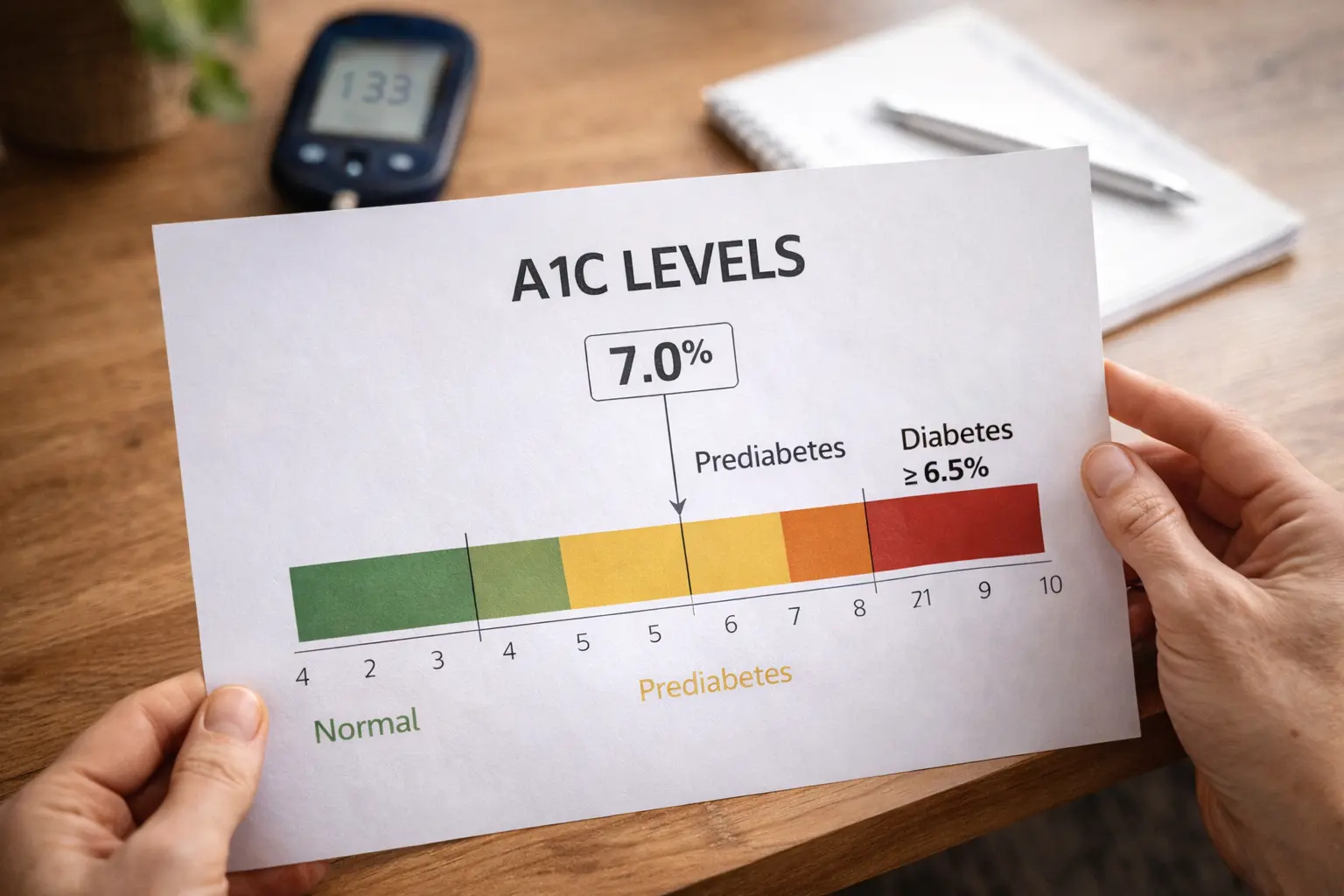
Your A1C results fall into clear categories that tell you exactly where you stand. A normal A1C level is below 5.7%, meaning your blood sugar has been well controlled. If your result comes back between 5.7% and 6.4%, you’re in the prediabetes range, which is a signal to pay closer attention but not a diagnosis of diabetes itself. An A1C of 6.5% or higher indicates diabetes. For example, if you’re 68 years old and your A1C comes back at 6.2%, that’s prediabetes territory. This doesn’t mean you’ve failed or that diabetes is inevitable. It means your body is showing early signs that blood sugar management needs attention. Many seniors in this range successfully prevent or delay diabetes by making modest changes to diet and activity. Understanding these numbers removes the guesswork. Instead of wondering if your lifestyle changes are working, you have concrete data. Your doctor can use these results to adjust your medications if needed, or to confirm that your current approach is effective.
📘 Fix your day in under 2 minuteschoose where to begin:
Benefits of regular A1C testing
Regular A1C testing transforms how you manage your health by giving you measurable progress to track. Imagine checking your A1C every three months and watching it drop from 7.8% to 7.2% to 6.9% as you stick with your exercise routine and dietary changes. That concrete feedback keeps you motivated in ways that vague advice never could. You see exactly how your choices matter. Testing also catches problems early before they become serious. High A1C levels increase your risk of heart disease, kidney damage, nerve damage, and vision problems. By monitoring regularly, you can adjust your medications, diet, or activity levels before complications develop. Many seniors find that knowing their A1C number makes them more engaged in their own care. Instead of passively following doctor’s orders, you become an active partner in your health management. You notice how certain foods affect your energy, how walking after meals helps, and how stress impacts your numbers. This awareness naturally leads to better decisions throughout your day.
Considerations for seniors
Seniors face unique challenges with blood sugar management that make A1C testing even more important. Your metabolism changes with age, medications interact in complex ways, and you may have other health conditions that complicate diabetes management. A1C testing helps your doctor see the full picture. For instance, a 72-year-old senior taking blood pressure medication and dealing with arthritis needs careful monitoring because these conditions and their treatments can affect blood sugar. Regular A1C testing allows your healthcare provider to spot trends and adjust your care plan accordingly. Seniors also benefit from knowing their A1C because it helps prevent falls and cognitive issues. High blood sugar can affect balance and mental clarity, which increases fall risk. By keeping your A1C in a healthy range, you maintain better physical stability and mental sharpness. Additionally, discussing your A1C results with your doctor creates an opportunity to review all your medications and lifestyle factors together. This conversation often leads to a personalized care plan that fits your specific situation, your goals, and your daily life.
Conclusion: Empower your health with A1C testing
A1C testing is one of the most straightforward tools available to you for understanding and managing your health. It requires no special preparation, provides clear results, and gives you actionable information you can use immediately. By prioritizing regular A1C tests, you take control of your well-being rather than waiting for problems to develop. You move from feeling uncertain about your blood sugar to having concrete data that guides your decisions. Working with your healthcare team to monitor your A1C levels isn’t just about preventing diabetes or complications. It’s about maintaining your independence, your energy, and your quality of life as you age. Schedule your next A1C test, review your results with your doctor, and use that information to make small, sustainable changes that add up over time. That’s how you stay healthy and active for the years ahead.
Regular A1C testing is essential for monitoring blood sugar levels and managing diabetes effectively. Understanding your A1C results empowers you to make informed decisions about your health and take proactive steps to prevent complications.
Is an A1C test painful?
An A1C test is a simple blood test that involves minimal discomfort. A healthcare provider will use a small needle to draw a blood sample from your arm, similar to standard blood tests.
How often should seniors get an A1C test?
Seniors with diabetes or prediabetes should typically have an A1C test every three months to monitor their blood sugar levels effectively. Your healthcare provider can recommend a testing schedule based on your individual health needs.
Others also read:
Disclaimer: This article is for informational purposes only and is not a substitute for professional medical advice. Always consult a healthcare professional for personal guidance.
This guide has been prepared and reviewed by the GlobalHealthBeacon editorial team and reflects current medical research as of 2026. It provides structured, evidence-based information to support informed health decisions.
