Part of: Metabolic & Hormonal Health
The A1C test and fasting glucose test are two fundamental blood glucose measurements used to screen, diagnose, and monitor diabetes and prediabetes. While both tests measure blood sugar levels, they operate on different principles and timescales, providing distinct but complementary information about glucose control. Understanding the differences between these tests is essential for individuals seeking to comprehend their own health status, interpret their results accurately, and engage meaningfully with healthcare providers about diabetes management and prevention.
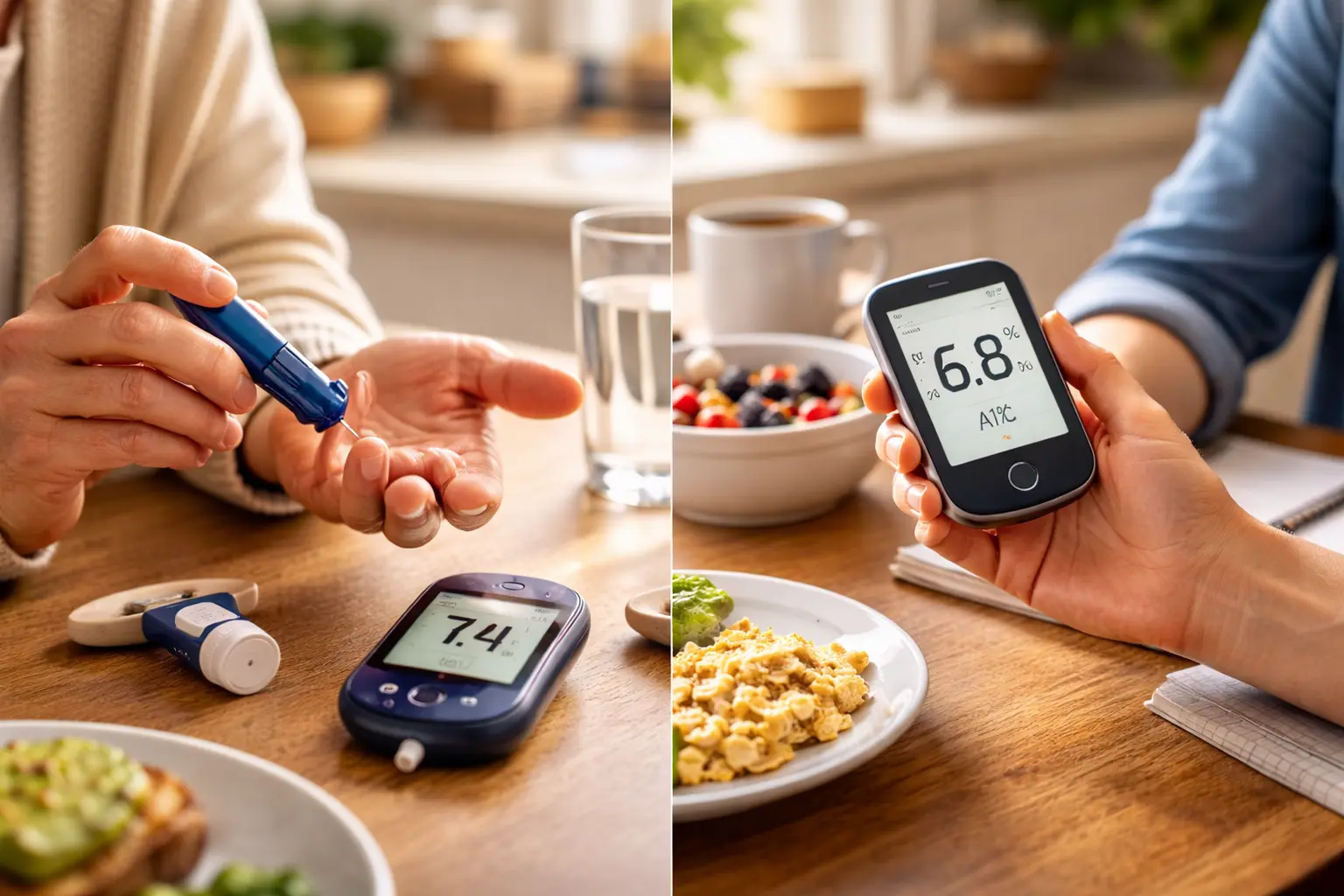
The fasting glucose test, also known as fasting plasma glucose (FPG), measures blood sugar after a minimum of eight hours without food or caloric beverages. This snapshot measurement reflects glucose levels at a single point in time and is often among the first tests ordered during diabetes screening. In contrast, the A1C test does not require fasting and instead measures average blood glucose concentration over the preceding two to three months, offering a longer-term view of glucose patterns and control. This fundamental difference in methodology means each test serves distinct purposes and may yield different diagnostic outcomes in the same individual.
Diagnostic thresholds for diabetes and prediabetes differ between the two tests, and results may sometimes appear contradictory—for example, an individual might have a normal A1C but an elevated fasting glucose, or vice versa. These discrepancies reflect the tests’ different mechanisms and highlight why healthcare providers may recommend both tests for comprehensive assessment. The choice between or combination of these tests depends on clinical context, individual health circumstances, and the specific questions a healthcare provider seeks to answer.
This collection of resources explores A1C and fasting glucose testing from multiple evidence-based perspectives, including the scientific foundations of each test, practical applications across different demographic groups, interpretation of results, and strategies for managing and using these measurements effectively. Whether seeking to understand the basics, learn from real-world experiences, or apply research-backed approaches to blood glucose management, the following articles provide comprehensive guidance tailored to diverse informational needs and life stages.
The CDC explains what A1C and fasting blood glucose tests measure, how they are used to diagnose diabetes and prediabetes, and the threshold values for normal, prediabetes, and diabetes categories. → Click here