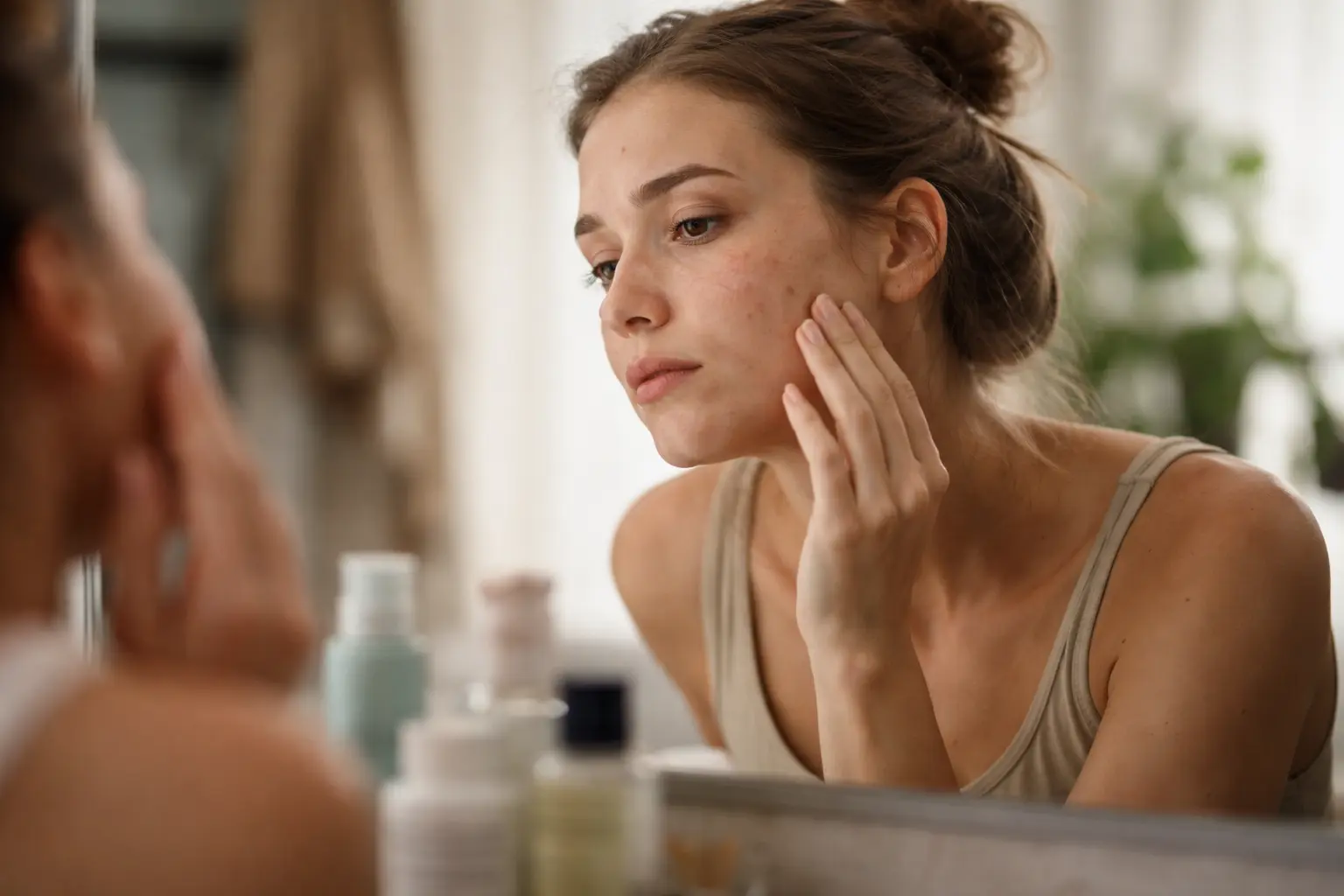
You thought acne was behind you decades ago, but here it is again, showing up on your face like an unwelcome guest, and this acne treatment guide is going to help you finally get rid of it for good.
Understanding acne in seniors
Acne in your senior years catches many people off guard. Unlike the teenage breakouts you may remember, adult acne in later life often stems from different sources. Hormonal fluctuations, particularly during menopause or andropause, can trigger oil production changes in your skin. Stress and anxiety, which tend to accumulate over decades, directly impact your skin through cortisol release. Underlying health conditions like polycystic ovary syndrome, thyroid imbalances, or medication side effects from blood pressure drugs or steroids can all contribute. Consider a 68-year-old woman who suddenly developed chin acne after starting a new arthritis medication, or a 72-year-old man whose breakouts worsened during a stressful period of caregiving. Understanding your specific trigger is the first step toward effective management. A dermatologist can help identify whether your acne is hormonal, bacterial, or related to skin sensitivity and product buildup.
- Consult with a dermatologist to diagnose your specific type of acne
- Maintain a healthy diet and stay hydrated to support your skin health
- Avoid smoking and excessive sun exposure as they can worsen acne
Skincare routine for seniors with acne
Your skin at 60, 70, or beyond needs a different approach than it did at 25. The key is gentleness without sacrificing effectiveness. Start by cleansing twice daily with a non-stripping, fragrance-free cleanser that removes oil and bacteria without disrupting your skin barrier. Pat your face dry gently, never scrub. Apply a lightweight, non-comedogenic moisturizer while your skin is still slightly damp to lock in hydration. Many seniors make the mistake of over-treating acne with harsh products, which backfires by drying skin excessively and triggering more oil production. A practical routine might look like this: morning cleanse, apply a vitamin C serum if your skin tolerates it, moisturize, and use sunscreen. At night, cleanse again, apply any prescribed acne treatment, then moisturize. Avoid products with fragrance, alcohol, or heavy oils. If you use multiple products, introduce them one at a time, waiting two weeks between additions to spot any irritation.
📘 Fix your day in under 2 minuteschoose where to begin:
Healthy lifestyle habits for clear skin
Your skin reflects what happens inside your body and mind. Regular physical activity, even gentle walking for 30 minutes most days, improves circulation and helps flush toxins through sweat. Stress-reduction practices like meditation, tai chi, or simply spending time in nature directly lower cortisol levels that fuel acne. Sleep quality matters profoundly; aim for seven to nine hours nightly, as your skin repairs itself during deep sleep cycles. A 65-year-old retiree who started a daily morning walk and joined a meditation group noticed her acne improved within six weeks, even before any topical treatments kicked in. Diet plays a supporting role too. While not everyone is sensitive to specific foods, reducing refined sugars and processed foods may help some seniors. Staying hydrated by drinking adequate water throughout the day supports skin elasticity and helps your body eliminate waste. Managing underlying stress through hobbies, social connection, or professional counseling can be as powerful as any cream.
Medical treatment options for senior acne
When home care and lifestyle changes are not enough, prescription treatments offer reliable results. Topical retinoids like tretinoin or adapalene increase cell turnover and unclog pores, though they require patience and sun protection. Topical antibiotics combined with benzoyl peroxide reduce bacteria and inflammation. Oral antibiotics like doxycycline work systemically but are typically used short-term due to resistance concerns. For hormonal acne in women, low-dose birth control or spironolactone can be effective options. A 70-year-old man with persistent chest acne found success with a combination of topical clindamycin and benzoyl peroxide applied nightly. Important considerations for seniors include potential interactions with existing medications, sensitivity to side effects, and the need for regular monitoring. Always report any burning, peeling, redness, or systemic symptoms to your dermatologist. Some medications increase sun sensitivity, requiring strict sunscreen use. Your doctor may start with lower doses and increase gradually to minimize irritation while your skin adapts.
Natural remedies and home treatments
Many seniors prefer exploring gentler, plant-based options before or alongside medical treatments. Tea tree oil has antimicrobial properties but must be diluted and patch-tested first, as concentrated forms can irritate sensitive skin. Aloe vera soothes inflammation and supports healing without harsh chemicals. Green tea, applied as a cooled brew or used in products, offers antioxidant benefits. Honey, particularly raw or medical-grade honey, has natural antibacterial properties and can be applied as a mask. However, natural does not automatically mean safe or effective for everyone. A 73-year-old woman who applied undiluted tea tree oil directly to her face experienced severe irritation and redness. The safer approach is to start with one remedy at a time, use it consistently for at least four weeks, and watch for adverse reactions. Consult your healthcare provider before combining natural remedies with prescription medications, as some interactions are possible. Natural treatments often work more slowly than medical options, so patience and realistic expectations are essential.
Acne in your senior years is manageable when you understand its root cause, whether hormonal, stress-related, or medication-triggered. A gentle, consistent skincare routine using non-comedogenic products forms your foundation. Lifestyle changes including exercise, stress management, and quality sleep support clear skin from within. Medical treatments from a dermatologist provide reliable options when over-the-counter approaches fall short. Natural remedies can complement your plan but require careful testing and professional guidance. The combination of understanding, routine, lifestyle, and appropriate treatment gives you the best chance of achieving clearer, healthier skin in your later years.
What lifestyle changes can help improve acne in seniors?
Regular physical activity like walking, stress-reduction practices such as meditation or tai chi, seven to nine hours of quality sleep nightly, staying well-hydrated, and reducing refined sugars can all support clearer skin. These changes work by lowering stress hormones, improving circulation, and supporting your body’s natural healing processes.
Are natural remedies safe for seniors with acne?
Natural remedies like tea tree oil, aloe vera, and green tea can be safe for seniors, but they require careful use. Always dilute concentrated oils, patch-test new products on a small area first, and consult your healthcare provider before use, especially if you take other medications. Natural does not mean risk-free, and some remedies work more slowly than medical options.
Others also read:
Disclaimer: This article is for informational purposes only and is not a substitute for professional medical advice. Always consult a healthcare professional for personal guidance.
This guide has been prepared and reviewed by the GlobalHealthBeacon editorial team and reflects current medical research as of 2026. It provides structured, evidence-based information to support informed health decisions.
