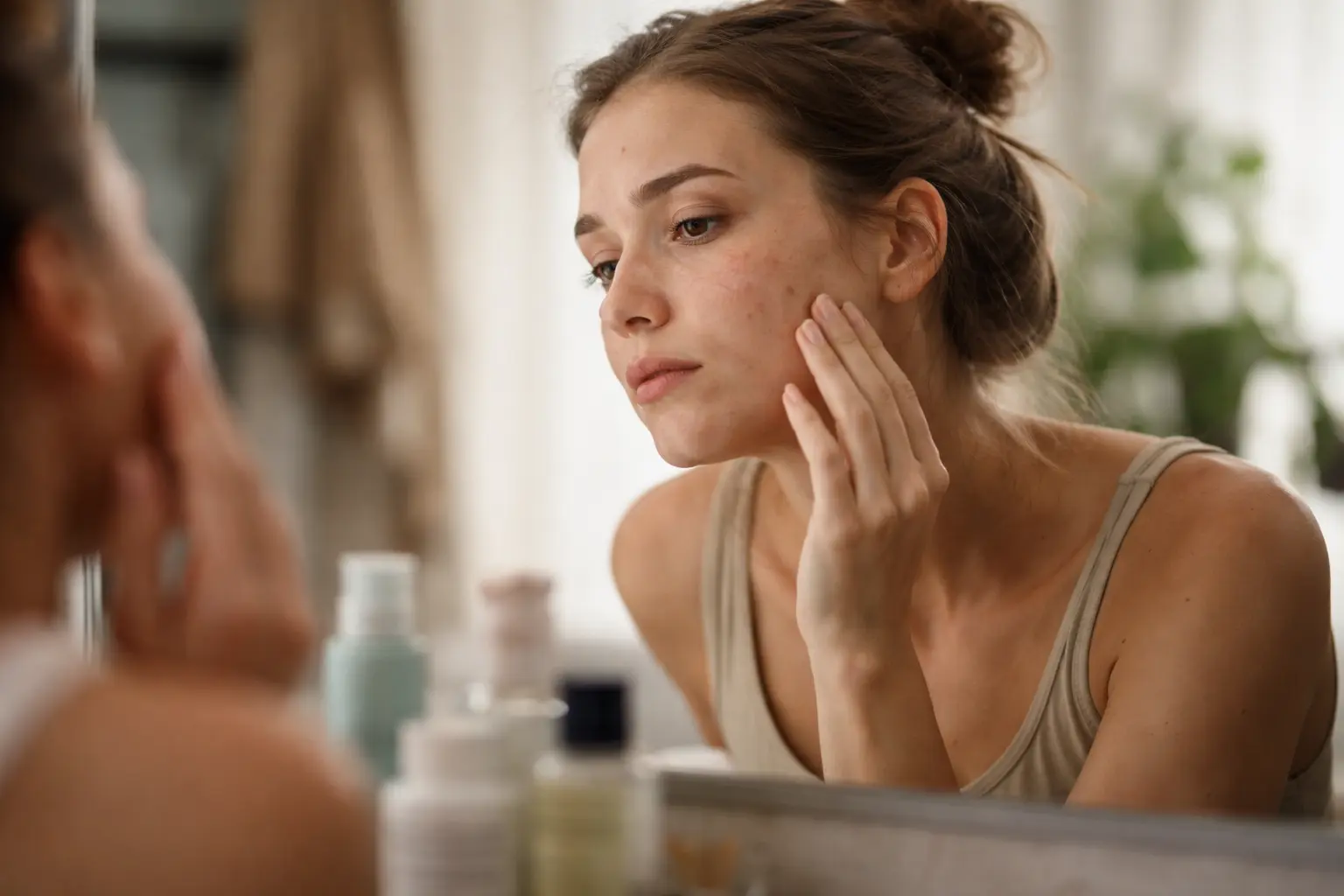
You wake up, look in the mirror, and there it is again—another breakout right before an important day—and honestly, you’re tired of feeling like your skin is working against you, but here’s the thing: understanding the actual science behind acne treatment can transform how you approach it.
The biology of acne: causes and triggers
Acne starts with a surprisingly simple biological process, yet it involves multiple systems working together. Hair follicles on your skin naturally produce sebum, an oily substance that protects and moisturizes skin. When these follicles become clogged with excess oil and dead skin cells, they create an ideal environment for bacteria called Cutibacterium acnes to thrive. This bacterial growth triggers inflammation, leading to the visible lesions you see. The process isn’t random. Hormonal fluctuations, particularly androgens during puberty and menstrual cycles, increase sebum production. Genetics also play a significant role; if your parents struggled with acne, your skin is more likely to follow the same pattern. Beyond biology, lifestyle factors like stress, sleep deprivation, and certain dietary choices can amplify these underlying mechanisms. Think of acne as a perfect storm where biology, hormones, and environment collide on your skin.
Types of acne: a breakdown
Not all acne looks or behaves the same way, and understanding the differences matters because treatment varies significantly. Blackheads and whiteheads are non-inflammatory lesions caused by clogged pores; blackheads appear dark because the trapped material oxidizes when exposed to air, while whiteheads remain closed beneath the skin surface. Papules are small, red, inflamed bumps without a visible center, often tender to the touch. Pustules look similar but contain visible pus at the center, indicating active bacterial infection. When acne becomes more severe, nodules develop deeper in the skin as large, painful, solid lesions that can persist for weeks. Cysts are the most severe form, appearing as large, fluid-filled pockets deep beneath the skin surface that often leave scars. A young adult with mild blackheads and occasional whiteheads requires a completely different approach than someone experiencing cystic acne. Dermatologists classify acne severity based on lesion type and distribution, which directly determines whether topical treatments alone will suffice or if oral medications become necessary.
Effective acne treatments:
Treatment options exist across a spectrum, and choosing the right one depends on your specific acne type and severity. Topical treatments include benzoyl peroxide, which kills bacteria and reduces inflammation; salicylic acid, which exfoliates and unclogs pores; and retinoids, which increase cell turnover and prevent follicle blockage. These work best for mild to moderate acne and require consistent application over weeks to show results. Oral medications enter the picture when topical treatments fall short. Antibiotics like doxycycline reduce bacterial populations and calm inflammation, though they work best when combined with topical treatments. For severe, scarring acne, isotretinoin represents a powerful option that can potentially clear acne permanently, though it requires careful medical monitoring due to potential side effects. Beyond medications, lifestyle adjustments amplify treatment effectiveness. A balanced diet rich in whole grains, lean proteins, and vegetables supports skin health. Stress management through exercise, meditation, or adequate sleep reduces hormonal triggers. Consistent skincare routines tailored to your skin type, including gentle cleansing and appropriate moisturizing, prevent irritation that can worsen acne. Many young adults see the best results by combining medical treatment with these lifestyle modifications.
- Follow a consistent skincare routine tailored to your skin type, cleansing twice daily with a gentle, non-comedogenic cleanser and applying treatments as directed.
- Consult a dermatologist for personalized treatment recommendations based on your specific acne type, severity, and skin characteristics rather than relying on over-the-counter solutions alone.
- Monitor your diet and lifestyle habits for potential acne triggers, keeping a simple journal to identify patterns between what you eat, stress levels, sleep quality, and breakout timing.
🔬 Science-backed benefits in 2 minuteschoose where to begin:
Managing acne scars: prevention and treatment
Severe acne often leaves behind reminders long after the active breakouts resolve. Post-inflammatory hyperpigmentation appears as dark or red marks where acne lesions once were; these typically fade over months to years as skin naturally heals. Atrophic scars, which appear as small depressions or pitting in the skin, result from collagen loss during severe inflammation and don’t fade naturally. Rolling scars create a wavy appearance, while boxcar scars appear as distinct indentations with sharp edges. Icepick scars are narrow and deep, resembling puncture wounds. Prevention starts during active acne by treating severe lesions promptly and avoiding picking or squeezing, which deepens inflammation and increases scarring risk. Once scars form, several treatments can improve appearance. Chemical peels remove superficial layers of skin, improving texture and reducing mild scarring. Microneedling creates controlled micro-injuries that stimulate collagen remodeling, gradually filling in atrophic scars. Laser therapy targets scar tissue specifically, promoting healing and remodeling. Many young adults benefit from combination approaches, using multiple treatments over several months for optimal results.
Natural remedies vs. medical treatments
The appeal of natural remedies is understandable. Tea tree oil has antimicrobial properties and may reduce mild inflammation. Honey contains enzymes and compounds that support skin healing. Aloe vera soothes irritated skin. These substances offer real biological activity, and many people report temporary relief or improvement with consistent use. However, the scientific evidence supporting natural remedies for acne treatment remains limited compared to medical interventions. Benzoyl peroxide, for instance, has decades of clinical research demonstrating its effectiveness at killing acne bacteria and reducing lesions. Retinoids have extensive evidence showing they prevent future breakouts by normalizing skin cell turnover. Oral antibiotics have proven track records in clinical trials. The distinction matters because mild acne might respond adequately to natural approaches, but moderate to severe acne typically requires evidence-based medical treatment to prevent permanent scarring. Many dermatologists recommend a hybrid approach: using natural remedies for gentle daily care while relying on proven medical treatments for active acne management. Consulting a healthcare professional before trying new treatments ensures you’re not delaying effective care while pursuing unproven options.
Future perspectives: advances in acne research
Acne research continues evolving, with scientists exploring new therapeutic angles beyond traditional approaches. Researchers are investigating anti-inflammatory agents that target the immune response underlying acne rather than just killing bacteria, potentially offering treatments with fewer side effects. Innovative topical formulations are being developed to improve penetration and stability, allowing active ingredients to work more effectively at lower concentrations. Microbiome research is revealing that the balance of bacteria on your skin matters as much as the presence of acne-causing species, opening doors to probiotic skincare approaches. Genetic studies are identifying individuals at higher risk for severe acne, potentially enabling preventive strategies before breakouts occur. Hormone-targeted therapies are becoming more refined, offering options beyond traditional birth control for hormonally-driven acne. Staying informed about these advancements helps young adults make educated decisions about their skin health, understanding that today’s cutting-edge research may become tomorrow’s standard treatment.
Acne isn’t simply a cosmetic issue; it’s a complex biological process involving hormones, bacteria, genetics, and inflammation. By understanding the science behind your breakouts, you gain power over how you respond to them. The treatment landscape offers genuine options, from topical solutions for mild cases to oral medications for severe acne, alongside lifestyle modifications that amplify any treatment’s effectiveness. Scars don’t have to be permanent, and numerous therapies can improve their appearance. While natural remedies have a place in gentle skincare routines, evidence-based medical treatments remain the most reliable path to clear skin. As research advances, new approaches continue emerging that may offer even better outcomes. The key is moving beyond frustration into informed action, working with dermatologists to develop a personalized strategy that addresses your specific situation rather than chasing generic solutions.
Can diet affect acne development?
Research suggests certain foods may influence acne in susceptible individuals. High-glycemic foods like white bread and sugary snacks can spike insulin levels, potentially triggering hormonal changes that increase sebum production. Some studies indicate dairy consumption correlates with acne in certain people, possibly due to hormones naturally present in milk. However, diet’s effect varies significantly between individuals; what triggers breakouts for one person may have no effect on another. Maintaining a balanced diet rich in fruits, vegetables, whole grains, and omega-3 fatty acids supports overall skin health and may reduce inflammation, but dietary changes alone rarely clear moderate to severe acne without additional treatment.
Is stress a significant trigger for acne?
Stress absolutely influences acne through multiple biological pathways. When you experience stress, your body releases cortisol and other hormones that increase sebum production and trigger inflammatory responses in skin. Stress also impairs your immune system’s ability to fight acne bacteria effectively. Many young adults notice clear patterns where high-stress periods coincide with breakout flare-ups. Managing stress through regular exercise, adequate sleep, meditation, or other relaxation techniques can reduce these hormonal fluctuations and help prevent stress-related acne. However, stress management works best as part of a comprehensive approach alongside medical treatment rather than as a standalone solution for active acne.
Others also read:
Disclaimer: This article is for informational purposes only and is not a substitute for professional medical advice. Always consult a healthcare professional for personal guidance.
This article has been prepared and reviewed by the GlobalHealthBeacon editorial team and is based on current medical research and published scientific literature available in 2026. It provides structured, evidence-based information to support informed health decisions.
