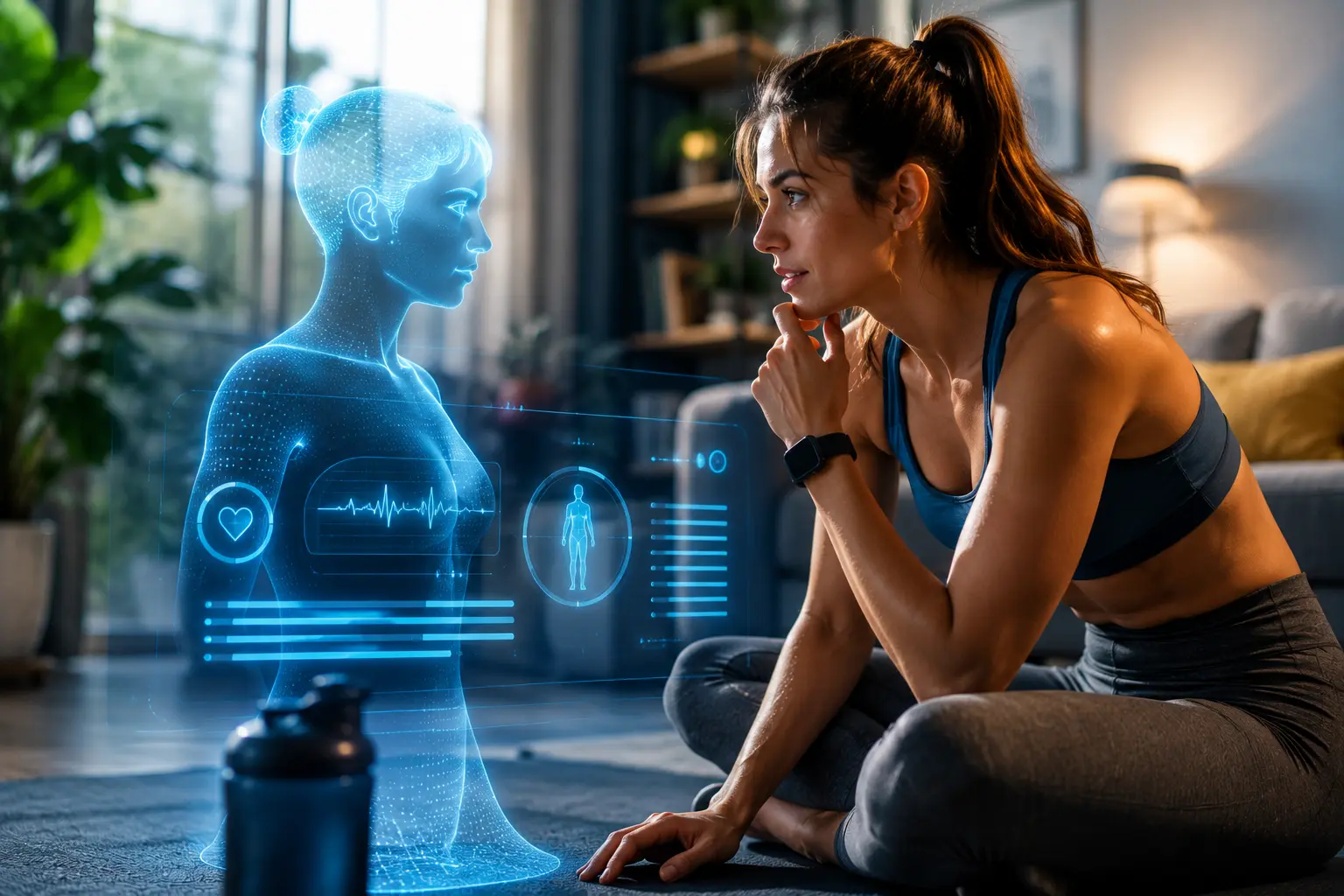
Tired of feeling lost navigating your health goals alone, scrolling through conflicting advice, and wishing someone actually understood your specific situation? An ai health coach explained here might be the missing piece that finally makes sense of your wellness journey.
Understanding AI health coaches
AI health coaches are intelligent virtual assistants built to understand your unique health situation and guide you through personalized recommendations. Think of them as a tireless companion that learns from your daily habits, tracks your patterns, and adjusts advice based on what actually works for you. Unlike generic health apps that give one-size-fits-all tips, these coaches use sophisticated algorithms to analyze your medical history, lifestyle choices, activity levels, and even your responses to previous recommendations. For seniors especially, this means the coach adapts as your needs change. For example, if you mention joint pain affecting your morning walks, the coach might suggest low-impact alternatives and track whether those changes improve your mobility. The technology continuously learns from thousands of data points you provide, making suggestions increasingly relevant over time. This personalization extends to medication reminders, appointment scheduling, nutrition guidance tailored to your dietary restrictions, and fitness routines matched to your current fitness level. The coach operates 24/7, meaning you can ask questions at 3 AM if you wake up concerned about a symptom, without waiting for office hours.
- Access to round-the-clock support and guidance whenever you need it
- Tailored recommendations based on your unique health data and personal history
- Opportunities for continuous monitoring and adjustments as your health evolves
Pros and cons of AI coaching
The advantages of AI health coaching are substantial, particularly for seniors managing multiple health conditions. Convenience ranks first: you avoid transportation challenges, long wait times, and scheduling conflicts that often prevent seniors from getting consistent health support. The cost is typically lower than hiring a personal trainer or health coach. You receive data-driven insights that help you understand patterns in your health you might otherwise miss. However, real limitations exist. AI coaches cannot replace the human judgment of a doctor diagnosing complex symptoms or the emotional reassurance of a compassionate healthcare provider who listens and truly knows you. A common mistake seniors make is treating AI advice as medical diagnosis rather than supportive guidance. For instance, if an AI coach flags unusual heart rate patterns, that signals you to contact your cardiologist, not to self-treat. Some seniors also struggle with the technology interface itself, finding apps confusing or frustrating to navigate. The emotional connection matters too: many people find motivation through human relationships, not algorithms. Additionally, AI coaches work best when you actively engage with them daily, which requires discipline and consistent technology use. Privacy concerns also arise since these systems collect sensitive health information.
📘 Fix your day in under 2 minuteschoose where to begin:
Choosing the right AI coach
Selecting an AI health coach requires careful evaluation of several factors specific to your situation. Start by clarifying your primary health goal: are you managing diabetes, losing weight, improving fitness, tracking medication compliance, or addressing sleep issues? Different coaches excel in different areas. Next, test the user interface yourself before committing. Many platforms offer free trials specifically so you can determine if the app feels intuitive or frustrating. For seniors, look for coaches with larger text options, voice command features, and straightforward navigation without excessive menus. Check compatibility with your devices: does it work on your smartphone, tablet, or computer? Some coaches integrate with fitness trackers or smartwatches, which can automate data collection so you do not have to manually log everything. Read reviews from other seniors, not just general users, since your needs differ from younger adults. Verify that the coach allows you to share data with your doctor if you wish, creating a bridge between AI support and professional medical care. Consider whether the coach offers human support options like chat with a nurse or dietitian, since some situations require human expertise. Finally, evaluate the cost structure: some are subscription-based, others are one-time purchases, and some are covered by Medicare or insurance plans.
Maintaining motivation with AI coaching
Motivation is where many people, especially seniors, struggle with AI coaching. The novelty wears off after a few weeks, and without the accountability of a human coach checking in, it becomes easy to skip days or abandon the program entirely. Combat this by setting realistic, specific goals rather than vague intentions. Instead of ‘get healthier,’ commit to ‘walk 20 minutes, three times per week’ or ‘reduce salt intake at dinner.’ Break larger goals into smaller milestones and celebrate each one. The AI coach should provide progress tracking visuals that show your improvements over weeks and months, creating a sense of accomplishment. Many seniors find that sharing their goals with family members adds accountability: tell your daughter about your commitment to the program, and ask her to check in weekly. Establish a routine by using the coach at the same time daily, like after breakfast or before bed, so it becomes habit rather than something you remember sporadically. When motivation dips, revisit why you started: perhaps you wanted to have more energy to play with grandchildren or reduce medication dependence. That emotional anchor often reignites commitment. Be honest with the coach about barriers you face. If you skip workouts because of pain, tell the system so it can adjust recommendations. The AI coach is fundamentally a tool supporting your wellness journey, but your consistent effort, honest feedback, and willingness to adapt are what actually drive results.
The future of AI coaching
AI health coaching technology is advancing rapidly, and the implications for seniors are significant. Emerging developments include more sophisticated natural language processing, meaning you can have conversations with your coach using everyday language rather than navigating menus. Voice interaction is improving dramatically, which benefits seniors who prefer speaking to typing. Integration with wearable technology is becoming seamless, allowing coaches to monitor vital signs like blood pressure, heart rate variability, and sleep quality in real time without requiring manual input. Predictive analytics are advancing too, meaning future coaches may alert you to potential health issues before symptoms become serious, similar to how a doctor might notice subtle patterns during a physical exam. Some researchers are developing AI coaches that recognize emotional distress in your voice or text, offering mental health support alongside physical health guidance. Regulatory frameworks are also evolving, with more oversight ensuring these tools meet safety and efficacy standards. The integration of AI coaches with electronic health records means your doctor can access insights from your AI coach, creating a more complete picture of your health. However, experts emphasize that AI will enhance rather than replace human healthcare. The future likely involves hybrid models where AI handles routine monitoring and personalized guidance, freeing your doctor to focus on complex medical decisions and the human relationship that matters so much in healthcare.
AI health coaches offer seniors personalized support, continuous monitoring, and convenient access to health guidance based on data analysis, but they work best as complements to professional medical care rather than replacements. Choosing a coach aligned with your specific health goals, maintaining consistent engagement, and understanding both the capabilities and limitations of AI technology are essential for maximizing benefits. As technology evolves, these tools will become more sophisticated and integrated with traditional healthcare.
Can AI health coaches provide accurate health advice?
AI health coaches use advanced algorithms to analyze your health data and offer tailored recommendations based on patterns and evidence. While they can provide valuable, personalized guidance for lifestyle management, medication reminders, and wellness tracking, they cannot diagnose medical conditions or replace professional medical judgment. Always consult your doctor for complex symptoms, medication changes, or health concerns that require clinical expertise.
Are AI health coaches suitable for seniors?
AI health coaches can be highly beneficial for seniors by offering personalized support, continuous monitoring, and convenient access to health guidance without transportation challenges. However, seniors should choose coaches with user-friendly interfaces, larger text options, and voice features if needed. It is important to select a coach that aligns with your specific health goals, and ensure you remain connected with your healthcare provider for comprehensive care.
Others also read:
Disclaimer: This article is for informational purposes only and is not a substitute for professional medical advice. Always consult a healthcare professional for personal guidance.
This guide has been prepared and reviewed by the GlobalHealthBeacon editorial team and reflects current medical research as of 2026. It provides structured, evidence-based information to support informed health decisions.
