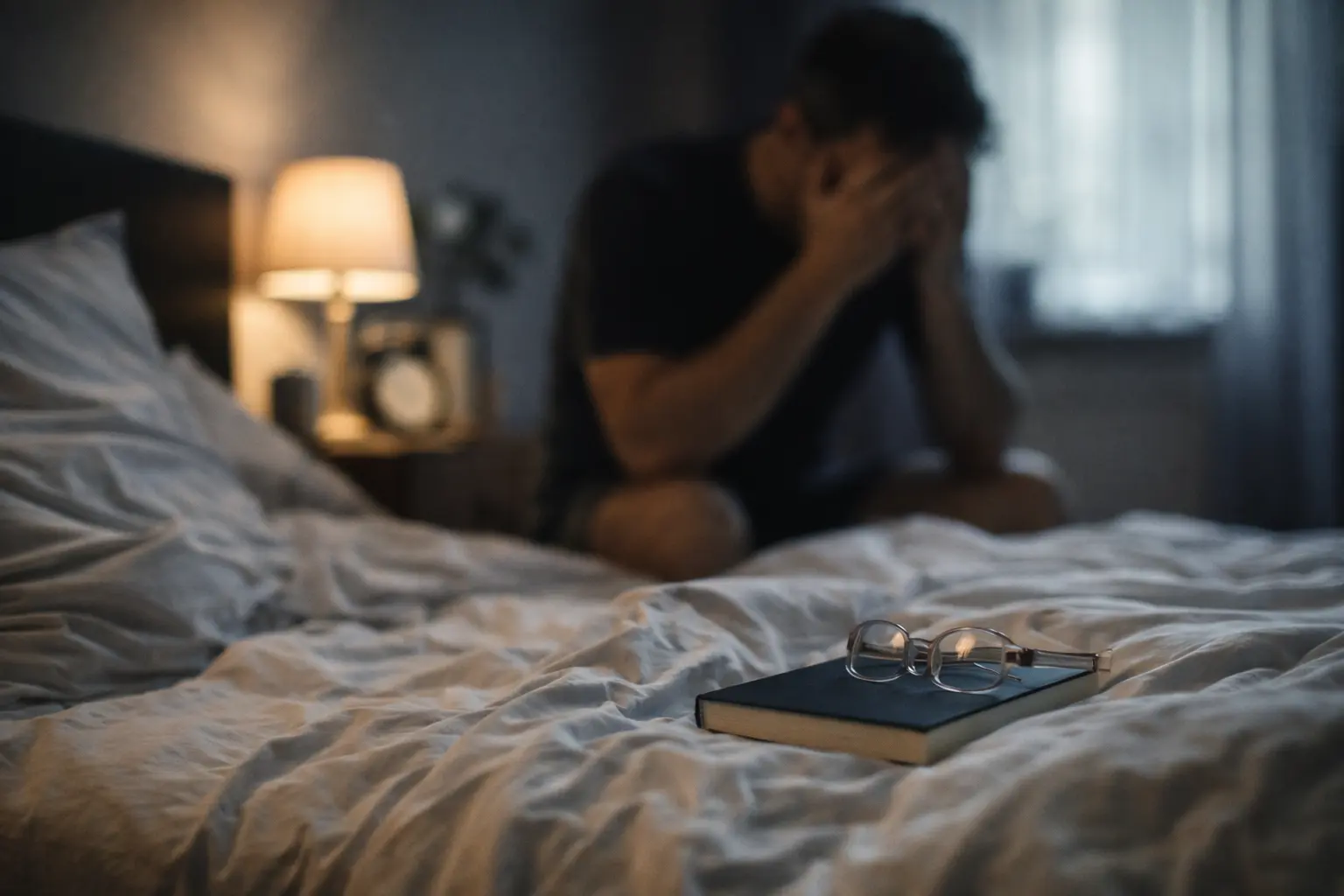
Your heart races for no reason, your mind won’t stop spinning, and you feel like something terrible is about to happen, even though logically you know it won’t – this is what anxiety disorder symptoms explained really means, and you’re not alone in experiencing it.
The neuroscience of anxiety disorders
Anxiety disorders don’t just happen in your head as a character flaw or weakness. They stem from measurable changes in how your brain processes fear and threat. The limbic system, a collection of structures deep in your brain, controls your emotional responses and memories. At the center of this system sits the amygdala, a small almond-shaped region that acts like your brain’s alarm bell. In people with anxiety disorders, this alarm becomes oversensitive. A harmless situation like a crowded grocery store or a phone call from an unknown number can trigger the amygdala to sound the alarm as if you’re facing genuine danger. Your body then floods with stress hormones like cortisol and adrenaline, preparing you to fight, flee, or freeze. Over time, this constant activation wears on your nervous system. The prefrontal cortex, which normally helps regulate fear responses and rational thinking, becomes less effective at calming the alarm. Understanding this biological reality helps explain why anxiety feels so real and physical, even when there’s no actual threat present.
Types of anxiety disorders
Anxiety disorders come in several distinct forms, each with its own pattern of symptoms and triggers. Generalized Anxiety Disorder, or GAD, is characterized by persistent worry that lasts for months and touches nearly every area of life. Someone with GAD might worry constantly about health, finances, family, or work, even when there’s no immediate reason. Panic Disorder involves sudden, intense episodes of fear that strike without warning, often accompanied by physical symptoms like chest pain, shortness of breath, or dizziness. Social Anxiety Disorder centers on intense fear of social situations and being judged by others, making simple activities like eating in public or attending gatherings feel unbearable. Specific phobias involve overwhelming fear of particular objects or situations, such as heights, flying, or animals. Each type manifests differently. A person with GAD might lie awake at night cataloging worries, while someone with Panic Disorder might avoid driving after experiencing an attack on the highway. Recognizing which type of anxiety disorder you or a loved one experiences is the first step toward finding appropriate support and management strategies tailored to that specific pattern.
Risk factors and triggers
Aging brings natural changes to your body and brain that can increase vulnerability to anxiety. Hormonal shifts, particularly in women navigating menopause, can intensify anxiety symptoms. Chronic health conditions like heart disease, diabetes, or arthritis create ongoing physical stress that your nervous system interprets as threat. Medication side effects, sleep problems, and reduced physical activity all compound the risk. Beyond biology, life circumstances matter tremendously. The loss of a spouse, retirement, or declining independence can trigger profound anxiety in seniors who’ve built their identity around roles or relationships that have changed. Health scares, even minor ones, can spiral into catastrophic thinking patterns. A diagnosis of high blood pressure might become, in an anxious mind, a sign of impending stroke. Financial worries, isolation, or feeling like a burden to family members create emotional soil where anxiety takes root. Consider Margaret, a 72-year-old widow who developed severe anxiety after her husband’s death. Her worry shifted from grief to obsessive health monitoring, convinced every ache meant cancer. Understanding her specific triggers helped her therapist develop targeted strategies rather than generic advice.
- Stay connected with loved ones and engage in social activities to combat loneliness and isolation.
- Practice relaxation techniques like deep breathing, meditation, or gentle exercise to reduce anxiety.
- Consult a healthcare provider for a comprehensive assessment and tailored treatment plan.
🔬 Science-backed benefits in 2 minuteschoose where to begin:
Symptoms and diagnostic criteria
Anxiety manifests in three interconnected ways: thoughts, physical sensations, and behaviors. Mentally, you experience excessive worry that feels difficult to control, racing thoughts, difficulty concentrating, and catastrophic thinking patterns where your mind jumps to worst-case scenarios. Physically, anxiety produces real sensations: muscle tension especially in the neck and shoulders, a racing or pounding heart, shortness of breath, sweating, trembling, and gastrointestinal distress. Sleep becomes fragmented as your mind won’t quiet down at night. Behaviorally, anxiety drives avoidance of situations that trigger worry, restlessness, irritability, and hypervigilance where you’re constantly scanning for danger. A healthcare professional diagnoses anxiety disorders using the DSM-5, a standardized manual that specifies how long symptoms must persist, how severe they must be, and how much they must interfere with daily functioning. For GAD, worry must be present more days than not for at least six months. The key distinction is that anxiety disorder symptoms go beyond normal worry. Everyone feels anxious sometimes, but clinical anxiety is persistent, intense, and significantly disrupts work, relationships, or self-care.
Treatment approaches
Multiple evidence-based treatments exist for anxiety disorders, and the most effective approach often combines several methods. Cognitive Behavioral Therapy, or CBT, helps you identify thought patterns that fuel anxiety and gradually change them through practice. You learn to recognize when your mind is catastrophizing, then develop realistic alternative thoughts. Exposure therapy, often used for specific phobias or panic disorder, involves gradually facing feared situations in a safe, controlled way until your nervous system learns the threat isn’t real. Medication, particularly selective serotonin reuptake inhibitors or SSRIs, helps regulate neurotransmitters involved in mood and anxiety. These medications don’t work overnight but typically show benefits within two to four weeks. Lifestyle modifications matter enormously. Regular physical activity, even gentle walking, reduces anxiety by lowering stress hormones and improving sleep. Limiting caffeine and alcohol, which can trigger or worsen anxiety, provides noticeable relief. Mindfulness and meditation practices train your attention away from anxious thoughts. Some seniors benefit from complementary approaches like acupuncture or tai chi. The key is working with a healthcare provider to create a personalized plan rather than trying everything at once or relying on a single approach.
Prognosis and outlook
The good news is that anxiety disorders in seniors respond well to treatment when addressed early. People who seek help and engage with their treatment plan typically experience significant symptom reduction within weeks to months. Some people achieve complete remission, meaning anxiety no longer interferes with their life. Others learn to manage symptoms effectively so anxiety becomes a minor background concern rather than a dominant force. Recovery isn’t always linear. You might have good weeks followed by setbacks, particularly during stressful periods or health changes. This is normal and doesn’t mean treatment has failed. Long-term success depends on ongoing support, regular check-ins with healthcare providers, consistent self-care practices, and maintaining social connections. Many seniors find that understanding their anxiety through education reduces shame and increases motivation to stick with treatment. Building a support network of family, friends, or support groups provides both practical help and emotional validation. The trajectory for most seniors with anxiety disorders is genuinely hopeful. Age is not a barrier to recovery; in fact, life experience and wisdom often help older adults develop effective coping strategies once they understand what’s happening in their brain and body.
Understanding the neuroscience, types, triggers, symptoms, and treatment approaches of anxiety disorders is essential for seniors to effectively manage these conditions and improve their overall well-being.
Can anxiety disorders develop later in life?
Yes, anxiety disorders can manifest in seniors due to age-related changes, health conditions, or environmental stressors. Seeking professional help is crucial for accurate diagnosis and personalized treatment.
Are there natural remedies for anxiety disorders?
While lifestyle modifications like regular exercise, mindfulness practices, and a balanced diet can help alleviate anxiety symptoms, it’s essential to consult with a healthcare provider for a comprehensive treatment plan tailored to individual needs.
Others also read:
Disclaimer: This article is for informational purposes only and is not a substitute for professional medical advice. Always consult a healthcare professional for personal guidance.
This article has been prepared and reviewed by the GlobalHealthBeacon editorial team and is based on current medical research and published scientific literature available in 2026. It provides structured, evidence-based information to support informed health decisions.
← Back to the Main page on: anxiety disorder symptoms explained
