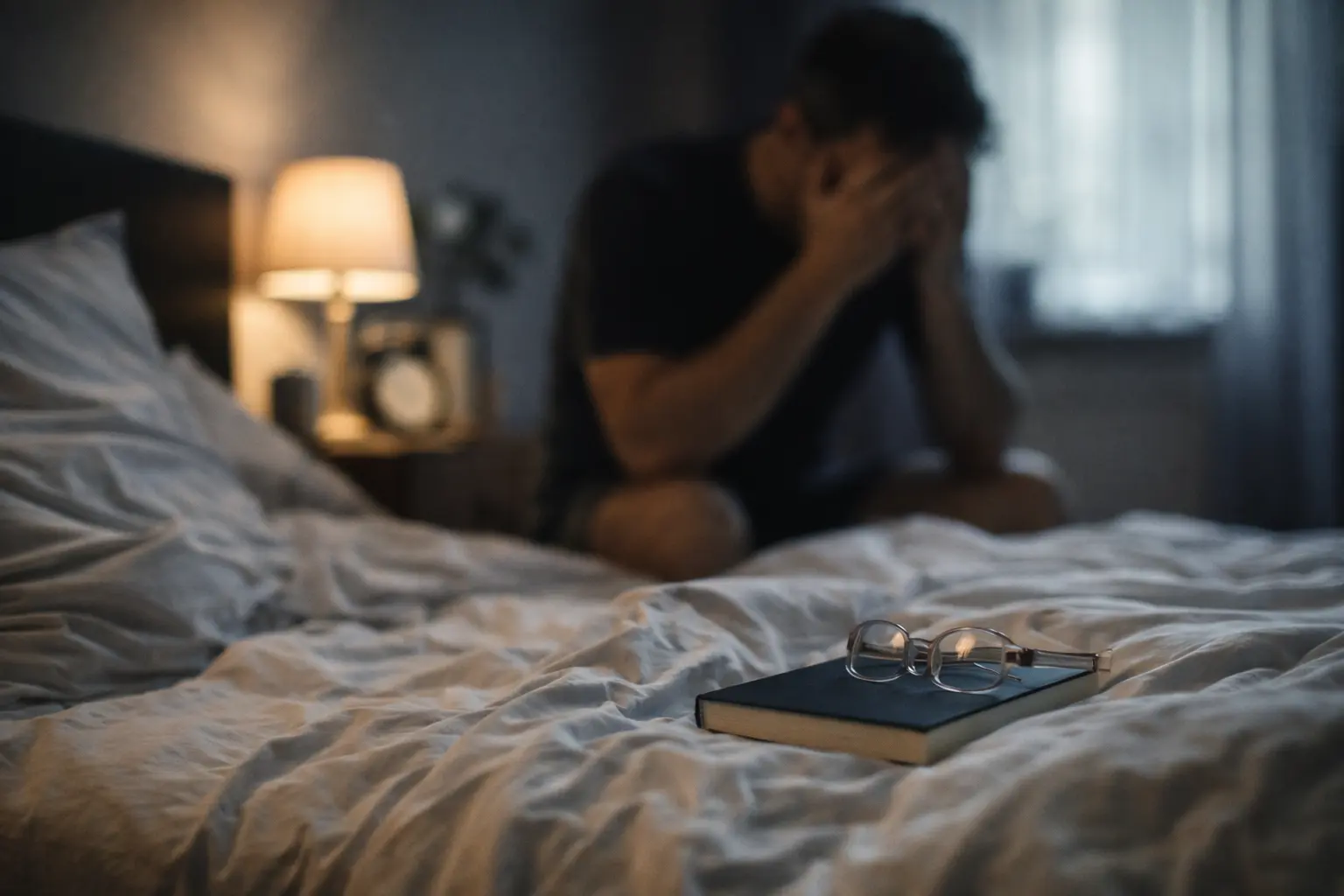
Your heart races for no reason, your mind won’t shut off at 2am, and suddenly crowded rooms feel suffocating – anxiety disorder symptoms explained means recognizing that what you’re experiencing isn’t weakness, it’s a signal that your nervous system needs real support, and this guide gives you the exact tools to take back control.
Understanding anxiety disorder symptoms
Anxiety disorder symptoms go far beyond the occasional stress of a work deadline or relationship tension. When you’re dealing with an actual anxiety disorder, your body and mind are caught in a pattern that feels relentless. Picture this: you wake up with a knot in your stomach, and it stays there throughout the day. Your thoughts spiral into worst-case scenarios even when things are objectively fine. These aren’t character flaws or signs of weakness. They’re your nervous system getting stuck in overdrive. The key is learning to distinguish between normal worry and clinical anxiety. Normal worry responds to reassurance and fades when the stressor passes. Anxiety disorder symptoms persist, intensify, and often expand to new situations without clear triggers. You might notice your body constantly scanning for danger, your muscles staying tense, and your sleep disrupted. Understanding what’s actually happening in your brain and body helps you stop blaming yourself and start taking targeted action.
- Physical symptoms like rapid heartbeat, sweating, trembling, chest tightness, and digestive issues can accompany anxiety and often feel alarming even though they’re your body’s stress response.
- Psychological symptoms may include excessive fear of particular situations, intrusive thoughts, intense feelings of impending doom, and difficulty controlling worry that feels impossible to turn off.
- Behavioral signs such as avoiding triggers, developing rituals to alleviate anxiety, withdrawing from social situations, and procrastination can gradually shrink your world and impact daily functioning.
Navigating anxiety triggers
Your anxiety doesn’t appear randomly. It has patterns, and finding those patterns is your superpower. Start by keeping a simple journal. When anxiety hits, write down what you were doing, what you were thinking, and what happened right before. Maybe you notice anxiety spikes every time you have to speak up in meetings, or when you’re alone at night, or when you check your phone and see social media. A young adult might discover that their anxiety escalates on Sunday evenings before the work week, or after scrolling through news for more than ten minutes. Once you spot these patterns, you’re no longer a victim of random panic. You’re someone with information. You can plan around triggers, prepare your coping strategies in advance, and sometimes even avoid unnecessary exposure. Understanding triggers also helps you communicate with friends, family, or a therapist about what you’re dealing with. Instead of saying ‘I’m just anxious,’ you can say ‘I get anxious when I have to make phone calls,’ which opens the door to real solutions.
📘 Fix your day in under 2 minuteschoose where to begin:
Building a coping toolkit
A coping toolkit is your personal emergency kit for anxiety moments. It’s not one-size-fits-all, which is why building your own matters. Start with the basics: deep breathing. When anxiety hits, your breathing becomes shallow and rapid, which signals danger to your brain. Slow, intentional breathing reverses that signal. Try the 4-7-8 technique: breathe in for four counts, hold for seven, exhale for eight. Next, add movement. A 10-minute walk, stretching, or even dancing to a song can discharge the physical tension anxiety builds up. Then layer in mindfulness or grounding techniques. The 5-4-3-2-1 method works well: name five things you see, four you can touch, three you hear, two you smell, one you taste. This pulls your mind out of anxious thoughts and into the present moment. Include self-care practices that genuinely help you: a warm shower, time with a pet, journaling, or time in nature. Your toolkit should have options for different situations. At work, you might use breathing. At home, you might journal. Late at night, you might listen to a guided meditation. The goal is having multiple tools so you’re never stuck without options.
Seeking professional support
There’s a moment when many young adults realize they can’t manage anxiety alone, and that moment is actually a breakthrough, not a failure. Professional support comes in several forms. Therapy, particularly cognitive behavioral therapy or CBT, teaches you to identify and change thought patterns that fuel anxiety. A therapist helps you understand why your brain defaults to worry and gives you concrete techniques to interrupt that cycle. Some people benefit from medication, which can reduce the intensity of physical and mental symptoms enough to make therapy more effective. Others find that a combination approach works best. A psychiatrist can evaluate whether medication makes sense for you. Counselors and psychologists offer different expertise, and finding the right fit might take trying a few people. What matters is taking that first step. You can start by talking to your primary care doctor, searching for therapists through your insurance, or using platforms that connect you with mental health professionals. Many young adults feel relief just knowing they have professional backup, even if they don’t use it immediately.
Creating a personalized action plan
Your action plan is where everything comes together. Start by writing down the anxiety disorder symptoms you experience most often. Next, list the triggers you’ve identified. Then, match each trigger or symptom to a specific coping strategy from your toolkit. For example: ‘When I feel my heart racing before a presentation, I’ll do the 4-7-8 breathing technique for two minutes, then remind myself that my body is just in overdrive, not in actual danger.’ Make your plan specific and realistic. Don’t aim for perfection. Aim for progress. Set a weekly check-in with yourself. What worked? What didn’t? Did you notice any patterns? Adjust as you go. Managing anxiety isn’t linear. Some weeks you’ll feel in control. Other weeks, anxiety will spike and feel like you’re starting over. That’s normal. What matters is having a plan to return to when things get hard. Share your plan with someone you trust, whether that’s a friend, family member, or therapist. Accountability and support make a real difference. Remember, this is a journey, not a destination. You’re building skills that will serve you for life.
Understanding anxiety disorder symptoms, identifying triggers, building coping skills, seeking professional help, and creating a personalized action plan are key steps in managing anxiety effectively.
How can I distinguish normal worry from anxiety disorder symptoms?
Normal worry tends to be temporary and related to a specific event, while anxiety symptoms persist, intensify, and impact daily functioning. Consulting a mental health professional can help differentiate between the two.
Is it possible to manage anxiety disorder symptoms without medication?
While medication can be part of an effective treatment plan, therapy, lifestyle changes, and self-care practices can also significantly reduce anxiety. It’s essential to work with a healthcare provider to determine the best approach for your individual needs.
Others also read:
Disclaimer: This article is for informational purposes only and is not a substitute for professional medical advice. Always consult a healthcare professional for personal guidance.
This guide has been prepared and reviewed by the GlobalHealthBeacon editorial team and reflects current medical research as of 2026. It provides structured, evidence-based information to support informed health decisions.
