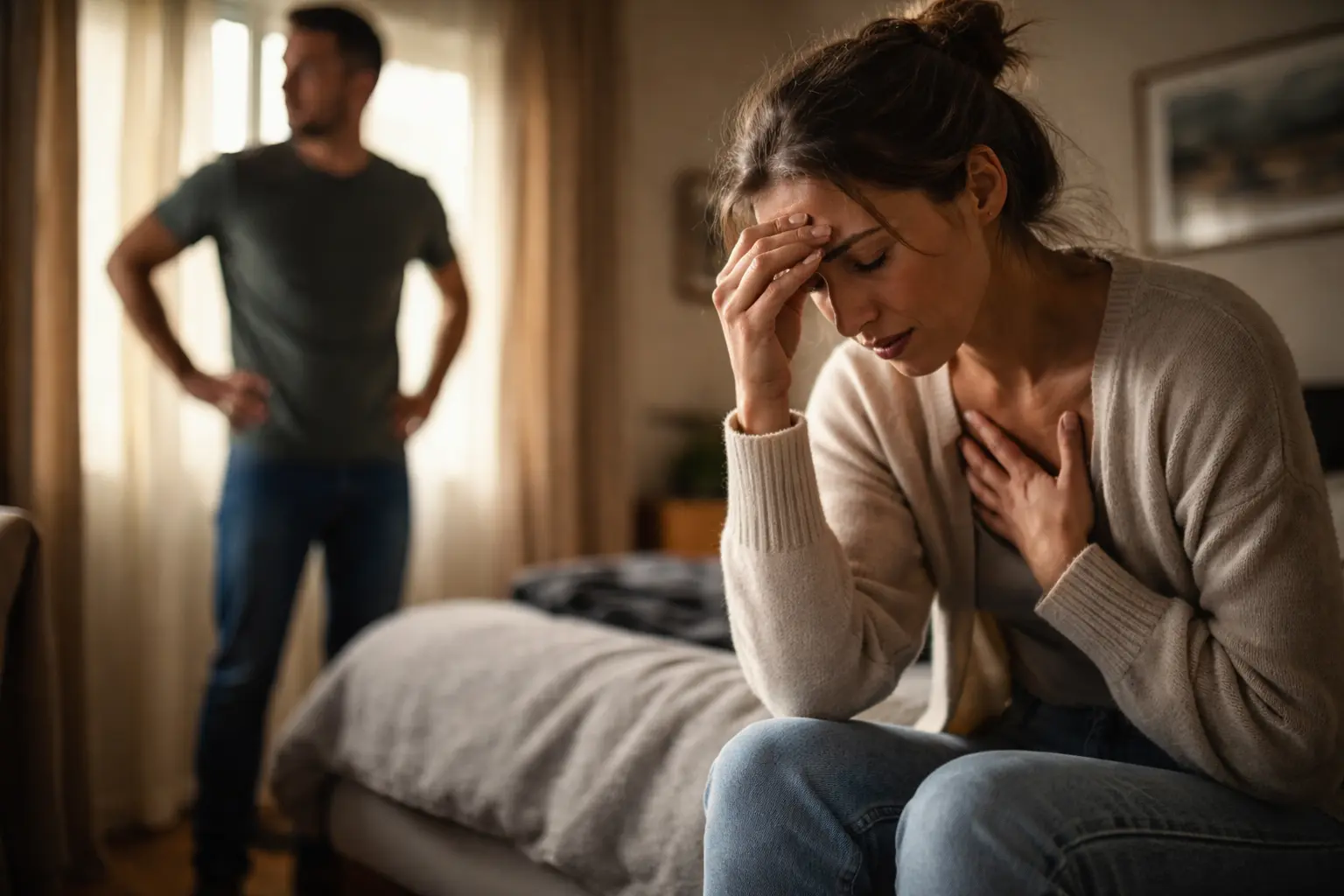
Your heart races, your mind spins, and you can’t tell if you’re having a panic attack or just spiraling into anxiety, and honestly, that confusion alone is making everything worse.
Understanding anxiety
Anxiety is your body’s natural alarm system responding to perceived threat or stress, but for many women, this protective mechanism gets stuck in overdrive. Imagine Sarah, a 45-year-old project manager, who finds herself worrying about upcoming deadlines weeks in advance. Her mind races through worst-case scenarios, her shoulders tense, and she struggles to focus on the present moment. This persistent, low-grade tension is anxiety. Research shows women experience anxiety disorders at roughly twice the rate of men, largely due to hormonal fluctuations that influence neurotransmitters like serotonin and gamma-aminobutyric acid (GABA). During menstrual cycles, perimenopause, and times of hormonal change, these brain chemicals shift, making anxiety more likely to emerge. Unlike panic attacks, anxiety builds gradually and can linger for hours or days, coloring how you experience the world around you.
The biology of panic attacks
Panic attacks are fundamentally different from anxiety. They arrive suddenly, like a lightning strike, flooding your body with intense fear and physical symptoms that feel genuinely dangerous. Your heart pounds, you might feel dizzy or numb, your breathing becomes shallow, and a sense of impending doom overwhelms you. Women report panic attacks more frequently than men, possibly because their nervous systems respond more sensitively to stress hormones like adrenaline and cortisol. Consider Jennifer, who experienced her first panic attack at the grocery store. Within seconds, her body shifted into fight-or-flight mode, her chest tightened, and she felt certain she was having a heart attack. The attack peaked within minutes, then gradually subsided, leaving her exhausted and confused. This acute, intense surge distinguishes panic from the chronic worry of anxiety. The physical symptoms are real and measurable, involving actual changes in heart rate, blood pressure, and breathing patterns.
Triggers and coping mechanisms
Understanding what sparks your anxiety or panic is like learning to read your own body’s language. Triggers vary widely among women. For some, it’s work stress or relationship conflict. For others, it’s caffeine, lack of sleep, or hormonal shifts. Keeping a detailed journal helps you spot patterns. Write down what you were doing, thinking, and feeling when symptoms emerged. Over time, you’ll notice connections. Maybe anxiety spikes on days you skip exercise, or panic attacks happen when you’re sleep-deprived. Once you identify your triggers, you can develop targeted strategies. Some women find that regular aerobic exercise reduces anxiety significantly by regulating neurotransmitter levels. Others benefit from structured breathing techniques like the 4-7-8 method, where you inhale for four counts, hold for seven, and exhale for eight. Cognitive behavioral therapy helps rewire thought patterns that fuel anxiety. Medication, prescribed by a healthcare provider, can also stabilize brain chemistry. The key is experimenting to discover what works for your unique biology and lifestyle.
- Identify your triggers by keeping a journal of your thoughts, emotions, and physical sensations for at least two weeks, noting patterns in timing and circumstances.
- Seek professional help from a therapist, psychiatrist, or counselor who specializes in anxiety and panic disorders to receive personalized assessment and evidence-based treatment options.
- Practice self-care activities like regular exercise, meditation, adequate sleep, and engaging hobbies to reduce overall stress levels and build resilience.
🔬 Science-backed benefits in 2 minuteschoose where to begin:
Gender differences in symptoms
Women and men often experience anxiety and panic differently, and recognizing these gender-specific patterns helps you understand your own experience. During panic attacks, men frequently report chest pain and intense fear of dying, while women more commonly experience numbness or tingling in their hands and feet, along with overwhelming worry about losing control. Women also tend to experience more anticipatory anxiety, spending days or weeks dreading an upcoming event. Men are more likely to experience anxiety as irritability or restlessness. Additionally, women report more somatic symptoms like headaches, digestive issues, and muscle tension accompanying their anxiety. These differences partly reflect biological factors like hormonal influences on the nervous system, but also social conditioning around how emotions are expressed and interpreted. Understanding that your experience is not unusual for women can reduce the shame or confusion you might feel, helping you seek appropriate support more readily.
Social and environmental factors
Beyond biology, the world you navigate shapes your anxiety and panic risk. Women often juggle multiple roles: professional, caregiver, partner, parent. This constant balancing act creates chronic low-level stress that primes your nervous system for anxiety. Societal expectations to appear calm, composed, and accommodating can also suppress healthy emotional expression, causing stress to accumulate internally. Consider how many women suppress frustration at work to avoid being labeled difficult, or minimize their own needs to prioritize family. This emotional suppression taxes your nervous system. Additionally, experiences of discrimination, harassment, or inequality create legitimate stress that compounds mental health challenges. Economic pressures, lack of work flexibility, and unequal household responsibilities disproportionately affect women. Environmental factors like poor sleep due to caregiving responsibilities, inadequate nutrition, or lack of physical activity further destabilize mood regulation. Recognizing these external pressures as real contributors to your anxiety, not personal failings, is an important step toward addressing them.
Seeking support and empowerment
Managing anxiety and panic effectively requires building a personalized support system. Start by identifying trustworthy people in your life who listen without judgment. Sharing your experience with friends or family members who understand reduces isolation and often reveals that others struggle similarly. Professional support from a therapist or counselor provides evidence-based strategies tailored to your situation. Many women benefit from cognitive behavioral therapy, which teaches you to identify and challenge anxious thought patterns. Others find relief through medication prescribed by a psychiatrist, which can rebalance neurotransmitters. Some combine therapy and medication for optimal results. Support groups, whether in-person or online, connect you with women facing similar challenges, normalizing your experience. Empowerment comes from understanding that anxiety and panic are manageable conditions, not character flaws. By taking action, whether through professional help, lifestyle changes, or building community, you reclaim agency over your mental health and well-being.
Understanding the biological and social reasons why women experience anxiety versus panic attacks differently empowers you to recognize your own symptoms, identify what triggers them, and seek appropriate support. The science shows that hormonal fluctuations, brain chemistry, and gender-specific stress factors all play roles in how these conditions manifest in women. By learning to distinguish between persistent worry and sudden panic, keeping track of your triggers, and building a support network, you can develop effective strategies for managing your mental health and improving your quality of life.
How can I differentiate between anxiety and panic attacks?
Anxiety typically develops gradually and persists for hours or days, characterized by persistent worry, restlessness, and physical tension like tight shoulders or stomach discomfort. Panic attacks arrive suddenly without warning, peak within minutes, and involve intense physical symptoms like heart palpitations, shortness of breath, dizziness, or numbness. Anxiety feels like a constant background hum of worry, while panic feels like an acute emergency. A healthcare provider can help you distinguish between the two and rule out other medical conditions.
Are there specific risk factors for women in developing anxiety disorders?
Yes, women face several interconnected risk factors. Hormonal fluctuations during menstrual cycles, pregnancy, and menopause significantly influence anxiety risk. Genetic predisposition plays a role, so family history matters. Societal pressures to balance multiple roles, gender-based discrimination, and unequal caregiving responsibilities create chronic stress. Sleep deprivation, inadequate physical activity, and poor nutrition also increase vulnerability. Early life trauma or adverse experiences compound risk. Seeking early intervention through therapy, lifestyle modifications, or medication when needed can effectively manage these conditions.
Others also read:
Disclaimer: This article is for informational purposes only and is not a substitute for professional medical advice. Always consult a healthcare professional for personal guidance.
This article has been prepared and reviewed by the GlobalHealthBeacon editorial team and is based on current medical research and published scientific literature available in 2026. It provides structured, evidence-based information to support informed health decisions.

