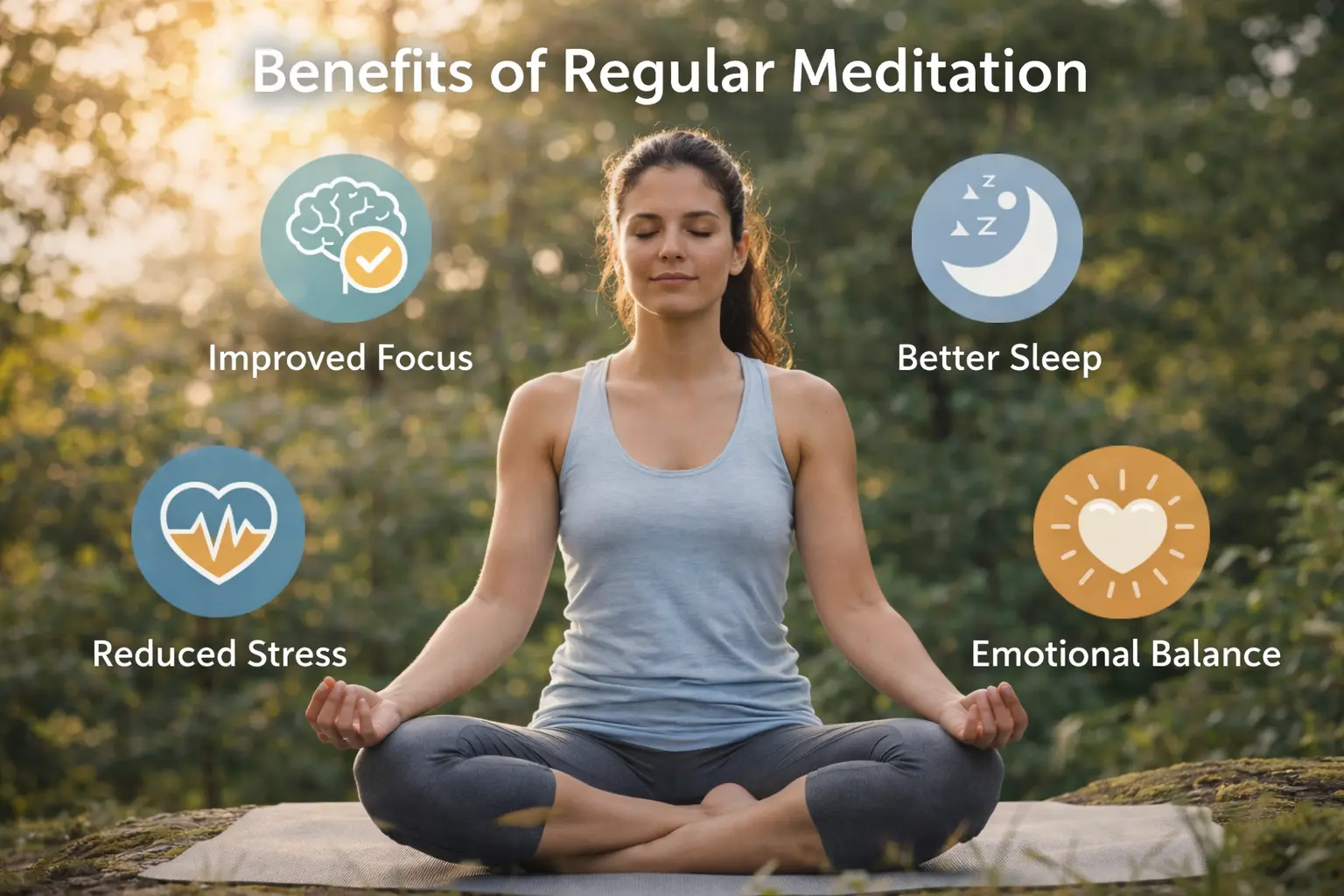
Your mind races at night, your shoulders stay tense, and nothing seems to quiet the constant hum of worry anymore – but the benefits of regular meditation can change that, and you don’t need to be a monk or spend hours sitting cross-legged to feel the shift.
Understanding the power of meditation
Meditation is a practice that dates back centuries, and for good reason. When you sit quietly and focus your mind, something remarkable happens: the constant chatter slows down, your nervous system gets the signal to relax, and your body begins to heal itself. Think of it like turning down the volume on a radio that’s been playing too loud for too long. For seniors, this practice becomes even more valuable. You might notice that after just a few weeks of regular meditation, your mind feels clearer when you’re reading the newspaper or having a conversation with grandchildren. Your ability to remember details improves. The anxiety that used to spike during doctor appointments or family gatherings softens. Research shows that meditation actually changes how your brain processes stress, creating new neural pathways that favor calm over reactivity. It’s not magic, but it’s close.
- Enhances mental clarity and concentration
- Reduces stress and anxiety levels
- Promotes emotional stability and overall well-being
Creating a serene meditation space
Your meditation space doesn’t need to be fancy or large. It just needs to be yours. Find a quiet corner in your home, perhaps near a window where you can see trees or sky. This becomes your anchor point, a place your mind learns to associate with calm. Add soft lighting, maybe a table lamp instead of harsh overhead lights, or open the curtains to natural light. Choose a comfortable chair with good back support, or use cushions on the floor if that feels better for your knees and hips. Some seniors find that a small side table for a cup of tea or water helps them feel settled. You might add a plant, a candle, or a simple piece of art that brings you peace. The key is removing distractions: silence your phone, let family members know not to interrupt, and close the door. Even a small effort to create this space signals to your mind and body that something important is about to happen.
📘 Fix your day in under 2 minuteschoose where to begin:
Starting with short sessions
Many seniors hesitate because they think meditation requires sitting still for an hour. It doesn’t. Start with just five minutes. Set a gentle timer on your phone so you’re not watching the clock. Sit comfortably, close your eyes if that feels right, and simply notice your breath. When your mind wanders, which it will, gently bring it back. That’s the whole practice. After a week or two of five-minute sessions, you might extend to seven or eight minutes. By month two, ten to fifteen minutes becomes natural. The secret isn’t duration, it’s consistency. Five minutes every single day works better than thirty minutes once a week. Your brain needs the repetition to build new habits. Many seniors report that after three weeks of daily practice, they notice they’re less irritable, sleep a bit better, and feel more patient with themselves and others. The changes are subtle at first, then unmistakable.
Exploring guided meditation
If sitting in silence feels overwhelming or your mind feels too busy to settle, guided meditation is your answer. Apps like Insight Timer, Calm, or Headspace offer recordings specifically designed for seniors. A calm voice walks you through each step: how to position your body, how to breathe, what to focus on. Some recordings use nature sounds, others use gentle music. You simply follow along. This removes the pressure of doing it right. Many seniors find that guided meditations for sleep, body scan relaxation, or loving-kindness practice resonate deeply. A body scan meditation, for example, guides you to notice sensations from your toes all the way to the top of your head, releasing tension as you go. This is especially helpful if you carry stress in your shoulders or jaw. Try different guides and styles until you find voices and approaches that feel natural to you. There’s no single correct way, only what works for your ears and your nervous system.
Embracing mindfulness in everyday life
Meditation doesn’t end when you stand up from your chair. The real transformation happens when you bring that calm awareness into your daily life. Mindfulness means paying full attention to what you’re doing right now. When you’re drinking your morning coffee, actually taste it instead of thinking about your to-do list. When you’re walking to the mailbox, feel your feet on the ground and notice the air on your skin. When you’re with a grandchild, put your phone away and truly listen. These small moments of presence add up. Seniors who practice mindfulness report feeling more grateful, less rushed, and more connected to the people around them. You might notice colors more vividly, enjoy meals more fully, or feel genuine warmth during conversations. This isn’t about forcing positivity. It’s about stepping out of autopilot and actually living the life you’re in, moment by moment.
Meditation offers a powerful tool for seniors to enhance mental clarity, reduce stress, and promote emotional well-being. By creating a serene space, starting with short sessions, exploring guided meditation, and embracing mindfulness in daily life, seniors can experience profound benefits from this ancient practice.
How long should seniors meditate each day?
Seniors can start with just 5-10 minutes of meditation daily and gradually increase the duration as they become more comfortable with the practice. Consistency is more important than length.
Can meditation help seniors with sleep issues?
Meditation has been shown to improve sleep quality by reducing stress and promoting relaxation. Seniors may find that a calming meditation practice before bedtime can help them unwind and achieve better sleep.
Others also read:
Disclaimer: This article is for informational purposes only and is not a substitute for professional medical advice. Always consult a healthcare professional for personal guidance.
This guide has been prepared and reviewed by the GlobalHealthBeacon editorial team and reflects current medical research as of 2026. It provides structured, evidence-based information to support informed health decisions.
