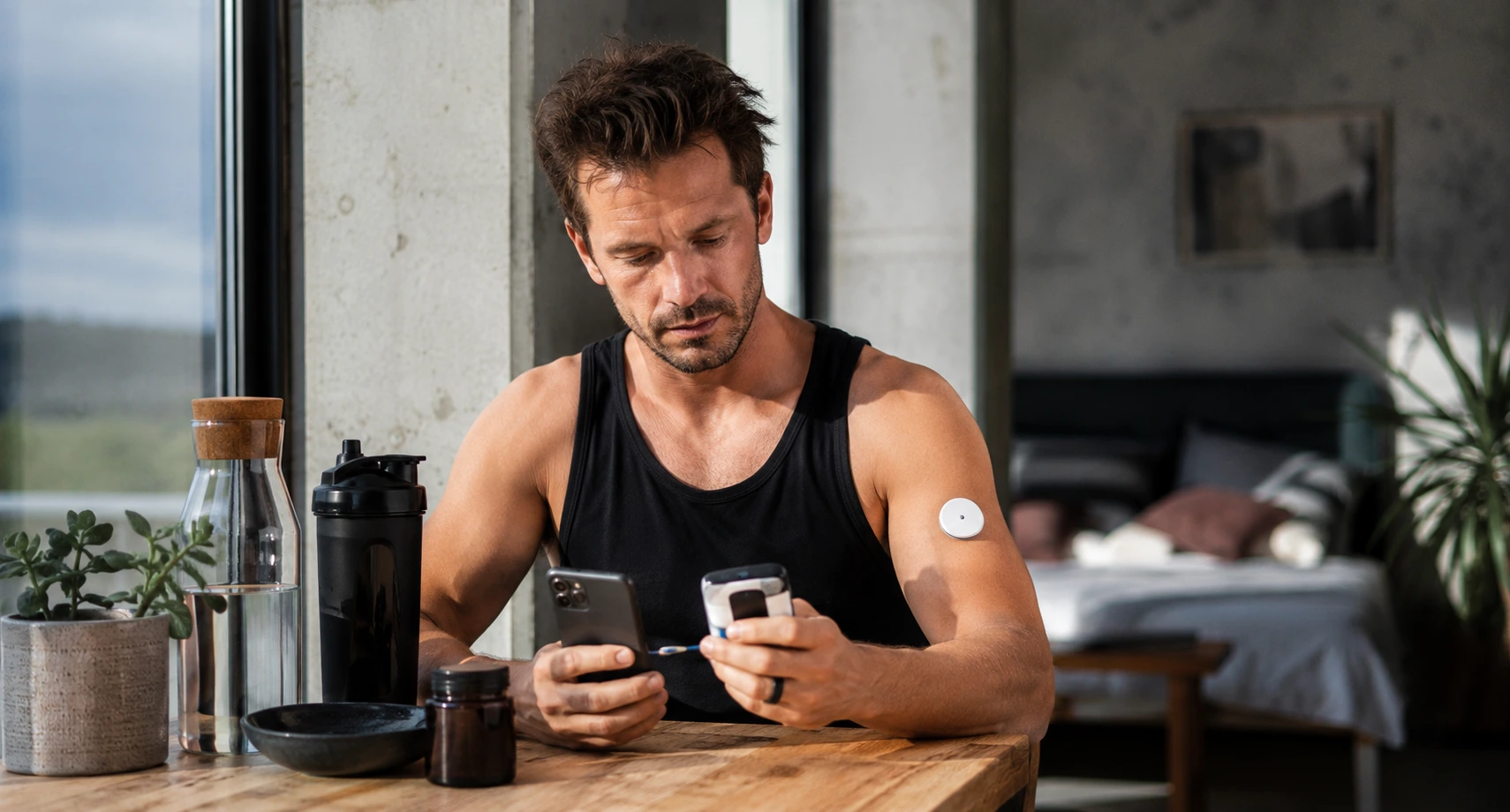
You wake up tired, your mind feels foggy, and despite doing everything right, you still don’t have the energy or mental clarity you had years ago, so you start wondering if there’s a smarter way to optimize your body through a biohacking daily routine.
The science behind biohacking
Biohacking represents a deliberate approach to understanding and modifying how your body functions at a biological level. Rather than accepting age-related decline as inevitable, biohacking examines the mechanisms that drive energy, cognition, sleep, and cellular health. The concept rests on measurable biological principles: your circadian rhythm influences hormone production, your nutrition directly affects neurotransmitter synthesis, and physical stress triggers adaptive responses that build resilience. Consider a typical scenario: a 68-year-old notices afternoon energy crashes around 3 PM. Instead of accepting this as normal aging, biohacking would investigate the underlying causes, such as blood sugar fluctuations, dehydration, or circadian misalignment. By adjusting meal timing, light exposure, or movement patterns, the biological system can be nudged toward better performance. This isn’t wishful thinking, it’s applied physiology. The approach combines lifestyle modifications with technology and evidence-based practices to optimize your body’s natural functions for sustained well-being.
Understanding the benefits of biohacking
The potential benefits of biohacking extend across multiple dimensions of health that matter most to seniors: sustained energy throughout the day, sharper mental focus during important tasks, deeper restorative sleep, and improved emotional resilience. Imagine being able to read a book for two hours without losing concentration, or waking naturally before your alarm feeling genuinely rested. These outcomes aren’t random, they result from deliberate optimization of biological systems. Research shows that sleep quality improvements alone can enhance memory consolidation, immune function, and metabolic health. Better energy management reduces reliance on stimulants and supports cardiovascular stability. Improved focus allows you to engage more fully in hobbies, relationships, and intellectual pursuits that give life meaning. The psychological benefit is equally important: taking an active, informed role in your health creates a sense of agency and control. Rather than passively accepting age-related changes, you become a participant in your own optimization, which itself has measurable effects on mood and motivation.
Key steps to implement biohacking daily routine
Building a functional biohacking daily routine requires a structured approach that respects your individual biology rather than following generic prescriptions. Start by establishing a clear baseline: track your current sleep duration and quality, energy patterns throughout the day, cognitive performance, and mood for two weeks without making changes. This creates a reference point against which you can measure future adjustments. Next, identify one or two specific areas where you notice the greatest friction, such as afternoon fatigue or difficulty falling asleep. Attempting to overhaul everything simultaneously typically fails because the nervous system resists dramatic change. Instead, select one biohacking technique that addresses your priority area, implement it consistently for three to four weeks, then assess the results. For example, if sleep is your focus, you might adjust bedroom temperature to 65-68 degrees Fahrenheit and eliminate screens one hour before bed. Once this becomes automatic, layer in another practice. Document your observations in a simple log, noting what you changed and how you felt. This methodical approach builds sustainable habits while generating personal data that proves what works specifically for your physiology.
- Establish a two-week baseline of your current sleep, energy, focus, and mood patterns
- Identify one or two priority areas where you experience the greatest health friction
- Select a single biohacking technique aligned with your priority and implement it consistently
- Track observations in a simple log for three to four weeks before adding new practices
- Assess results and layer in additional techniques only after the first becomes automatic
🔬 Science-backed benefits in 2 minuteschoose where to begin:
Measuring the impact of biohacking
Without measurement, you’re essentially guessing whether your efforts are working. Fortunately, seniors today have access to simple, affordable tools that provide objective data about biological changes. Heart rate variability, measured through wearable devices or smartphone apps, reflects your nervous system’s capacity to adapt and recover, with higher variability generally indicating better resilience. Sleep tracking apps monitor duration and sleep stage distribution, revealing whether you’re actually spending sufficient time in deep and REM sleep where memory consolidation and emotional regulation occur. Cognitive function can be tracked through simple tests like timed reading comprehension or recall exercises done weekly. Mood and energy can be logged on a simple 1-10 scale each evening. A 72-year-old implementing consistent morning light exposure and evening wind-down routines might notice within four weeks that her sleep quality score improves from 5 to 7, her morning energy shifts from sluggish to alert, and her afternoon focus extends an additional hour. These measurable shifts provide concrete evidence that your biohacking approach is working, which strengthens motivation and guides refinement of your strategy.
Exploring biohacking tools and resources
The biohacking toolkit available to seniors ranges from low-tech behavioral practices to sophisticated wearable technology. Low-cost, high-impact tools include a simple notebook for sleep and energy logging, a basic thermometer to optimize bedroom temperature, and a timer for structured work and rest intervals. Wearable devices like smartwatches track heart rate variability, sleep stages, and daily movement patterns, providing data that reveals patterns invisible to subjective observation. Light therapy lamps help regulate circadian rhythm, particularly valuable during winter months when natural light exposure diminishes. Nutritional approaches might include tracking macronutrient intake through apps or consulting resources on nutrient timing around exercise. Cold water exposure, practiced as brief cold showers or ice baths, triggers adaptive stress responses that research suggests may improve circulation and mood. Breathing techniques, meditation apps, and structured movement practices like tai chi or resistance training represent evidence-based biohacking approaches. The key is avoiding the trap of accumulating tools without clear purpose. Each tool should address a specific biological goal you’ve identified. Start simple, measure results, then expand your toolkit only if initial practices prove beneficial.
The future of biohacking for seniors
As biohacking evolves from a fringe interest into mainstream health practice, the field is increasingly tailoring approaches specifically for older adults whose biological needs differ from younger populations. Emerging research focuses on how biohacking can address age-related concerns like muscle loss, cognitive decline, metabolic slowdown, and sleep fragmentation. Personalized medicine, enabled by genetic testing and advanced biomarkers, will allow seniors to receive biohacking recommendations based on their unique genetic predispositions and current health status rather than one-size-fits-all protocols. Wearable technology continues advancing, offering more accurate and non-invasive monitoring of relevant health markers. The integration of artificial intelligence with personal health data may soon provide real-time recommendations, alerting you when your sleep patterns shift or your activity level drops. However, the most important future development is the normalization of seniors taking an active, informed role in their health optimization. Rather than viewing aging as a passive decline, biohacking positions later life as a period where deliberate, evidence-based choices can meaningfully enhance quality of life, independence, and engagement.
Biohacking offers seniors a science-grounded framework for understanding and optimizing their biology through deliberate lifestyle modifications and technology. By establishing a clear baseline, identifying priority health areas, implementing changes systematically, and measuring results objectively, seniors can determine what actually works for their individual physiology. The approach respects the complexity of aging while providing practical tools and strategies that support sustained energy, mental clarity, restorative sleep, and emotional resilience. Rather than accepting age-related changes as inevitable, biohacking empowers informed decision-making and active participation in your own health trajectory.
Is biohacking safe for seniors?
Biohacking can be safe for seniors when approached thoughtfully and with awareness of individual health conditions. Most biohacking practices, such as optimizing sleep environment, adjusting meal timing, or increasing movement, carry minimal risk. However, certain interventions like cold exposure, fasting, or supplement use warrant consultation with your healthcare provider, particularly if you take medications or have existing health conditions. The safest approach involves starting with low-risk behavioral modifications, tracking your response carefully, and discussing any significant changes with your doctor before implementing them.
What are some common biohacking techniques for seniors?
Effective biohacking techniques for seniors include optimizing sleep hygiene through consistent bedtime routines and cool, dark sleeping environments; managing light exposure to regulate circadian rhythm; adopting nutrient-dense eating patterns with attention to meal timing; engaging in regular physical activity combining strength and cardiovascular work; practicing stress management through breathing techniques or meditation; maintaining social connection and cognitive engagement; and using simple tracking methods to monitor energy, sleep, and mood patterns. These evidence-based practices address common age-related concerns while remaining accessible and sustainable.
Others also read:
Disclaimer: This article is for informational purposes only and is not a substitute for professional medical advice. Always consult a healthcare professional for personal guidance.
This article has been prepared and reviewed by the GlobalHealthBeacon editorial team and is based on current medical research and published scientific literature available in 2026. It provides structured, evidence-based information to support informed health decisions.
