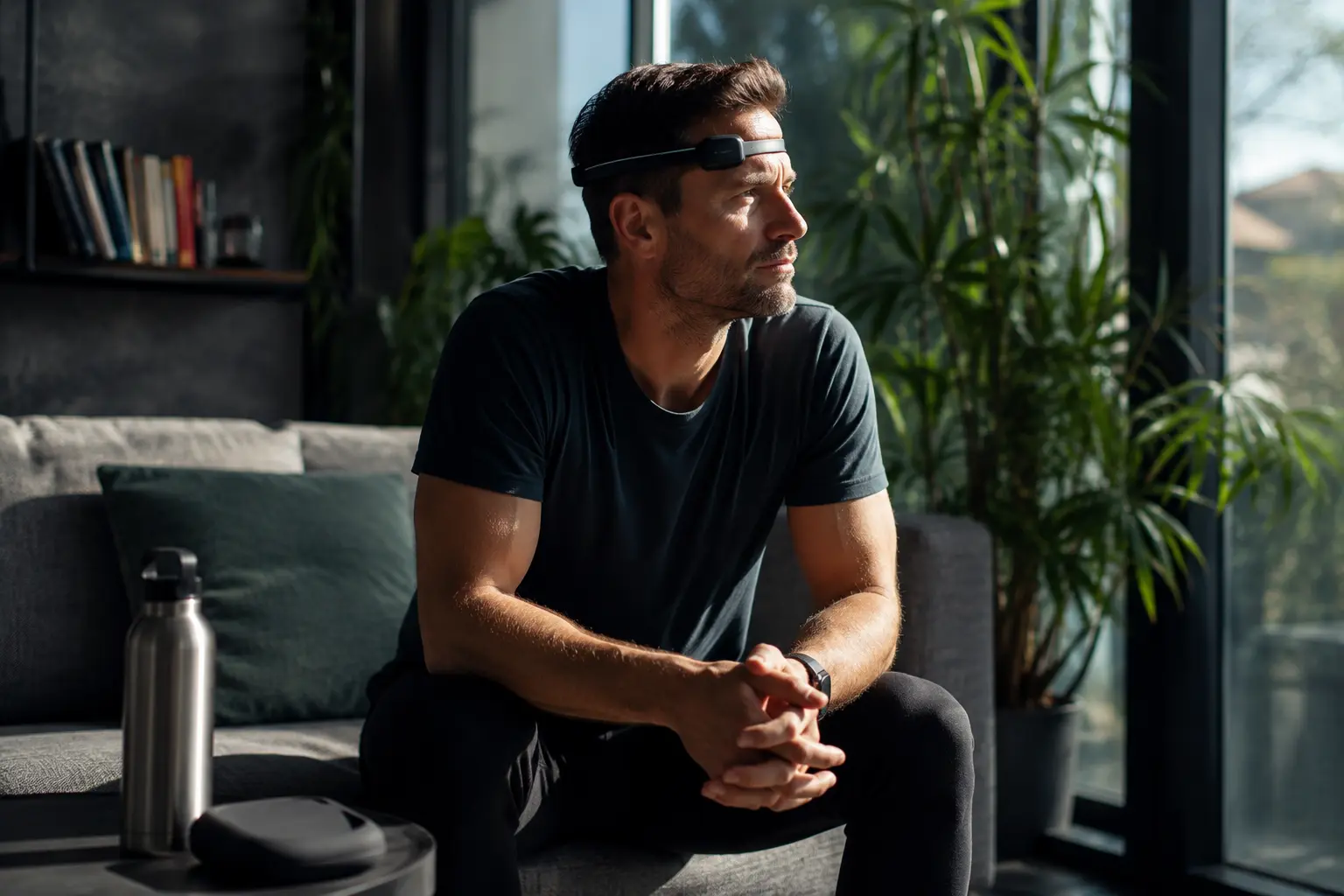
Your chest tightens during another back-to-back meeting, your mind won’t shut off at night, and that constant buzz of anxiety has become your baseline – but biohacking stress recovery is the practical reset your nervous system desperately needs.
Understanding biohacking for stress recovery
Biohacking stress recovery sounds intimidating, but it’s really just about making intentional tweaks to your daily life that compound into real relief. Think of it like debugging your own system. Maybe you’re a young professional stuck in a cycle where stress keeps piling up, and nothing seems to stick. That’s where small, strategic practices come in. Deep breathing exercises aren’t just feel-good fluff – they literally signal to your nervous system that you’re safe, shifting you from fight-or-flight into rest-and-digest mode. A friend of mine started with just five minutes of box breathing before work and noticed her shoulders weren’t perpetually glued to her ears anymore. Meditation doesn’t require sitting in silence for an hour; even three minutes of focused attention on your breath rewires how your brain processes stress. Restorative yoga, gentle stretching, or even a short walk outside can reset your nervous system when tension builds. The key is consistency over intensity.
- Practice deep breathing exercises daily, even just five minutes can shift your nervous system state.
- Incorporate short mindfulness sessions into your routine, starting with just three minutes if that feels manageable.
- Try a restorative yoga class to release tension, or use a free app if getting to a studio feels overwhelming.
Creating a supportive environment
Stress thrives in isolation, but recovery flourishes in community. Surrounding yourself with people who actually get what you’re going through makes an enormous difference. You know that feeling when you vent to someone and they just listen without judgment? That’s healing happening. Building a network doesn’t mean you need a huge friend group – even one or two people who understand your stress journey can anchor you. Maybe it’s a roommate who’s also trying to manage anxiety, a coworker navigating similar pressures, or an online community of people working on their mental health. When you’re surrounded by others prioritizing their own recovery, it becomes normalized, less lonely, and way more sustainable. You start sharing strategies that actually work, celebrating small wins together, and holding each other accountable without judgment. Real talk: knowing someone else is struggling with the same 3 AM racing thoughts makes you feel less broken.
💬 Ready to feel better in 2 minutes?choose where to begin:
Optimizing your sleep routine
Quality sleep is where the real magic happens for stress recovery, yet most young adults are running on fumes. Your body can’t actually heal from stress when you’re averaging five hours of fragmented sleep. Start by creating a wind-down ritual that signals to your brain it’s time to shift gears – maybe that’s a warm drink, journaling, or gentle stretching about an hour before bed. The screens are the sneaky culprit here; blue light from your phone tricks your brain into thinking it’s still daytime, keeping cortisol elevated when it should be dropping. One small change like putting your phone in another room thirty minutes before sleep can transform your nights. Your sleep environment matters too – cool, dark, and quiet is the sweet spot. Even blackout curtains or a white noise machine can be game-changers if you’re sensitive to light or sound. Consistency is crucial; your body loves routine, so aiming for the same bedtime and wake time, even on weekends, helps regulate your entire stress response system.
Fueling your body with nourishing foods
What you eat directly impacts how your body handles stress, yet it’s easy to default to whatever’s quickest when you’re overwhelmed. Your nervous system needs real fuel to function properly. Leafy greens, whole grains, and lean proteins aren’t just buzzwords – they’re literally the building blocks your brain uses to produce neurotransmitters that regulate mood and stress. When you’re running on coffee and processed snacks, your blood sugar spikes and crashes, amplifying anxiety and brain fog. Hydration is underrated too; even mild dehydration can intensify stress symptoms and make you feel more scattered. That said, don’t spiral into perfectionism about eating clean. One person I know started by swapping her afternoon energy drink for herbal tea and noticed a real difference in her evening anxiety levels. Limiting excessive caffeine and sugar doesn’t mean eliminating them entirely – it means being intentional. Notice how you feel after different foods and drinks. Your body will tell you what actually helps you recover.
Biohacking stress recovery is about building small, sustainable practices into your daily life that add up to real peace. From mindfulness and breathing techniques that reset your nervous system to creating supportive relationships, optimizing your sleep, and nourishing your body with real food – each piece matters. You don’t need to overhaul everything at once. Pick one practice that resonates with you, stick with it for a few weeks, then layer in another. Your future self will thank you for starting now.
How long does it take to see results from biohacking stress recovery?
Results vary depending on the individual and the consistency of their efforts. Some may experience benefits within a few weeks, while others may take longer. Patience and persistence are key.
Can biohacking stress recovery replace professional therapy or treatment?
While biohacking strategies can complement professional care, they are not meant to replace therapy or medical treatment for stress-related conditions. Consult with a healthcare provider for personalized guidance.
Others also read:
Disclaimer: This article is for informational purposes only and is not a substitute for professional medical advice. Always consult a healthcare professional for personal guidance.
This article presents an experience-based perspective and has been reviewed by the GlobalHealthBeacon editorial team in 2026. It provides structured, evidence-based information to support informed health decisions.

