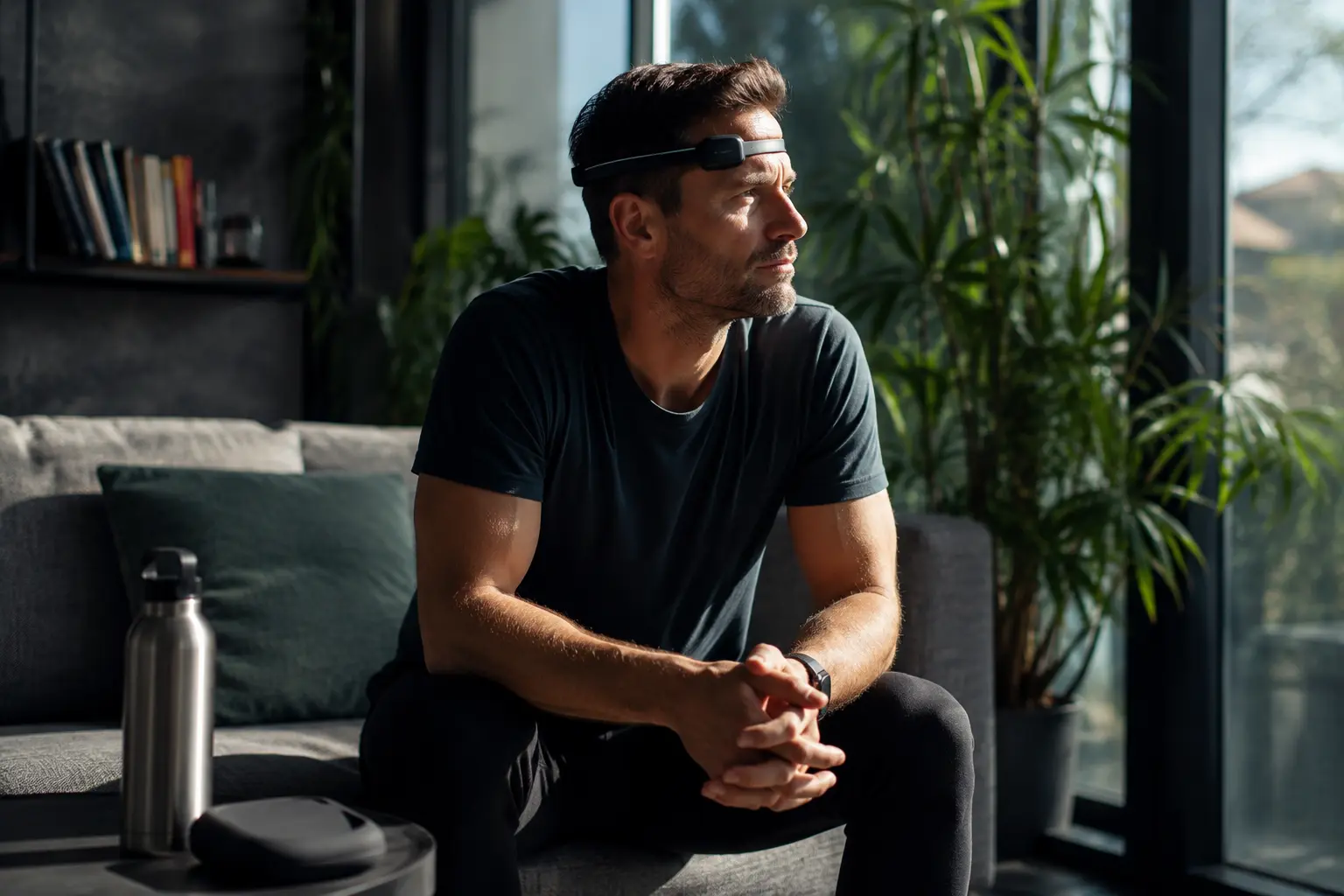
Your nervous system is constantly firing on all cylinders, your shoulders live somewhere near your ears, and you cannot remember the last time you felt genuinely calm, so it’s time to learn biohacking stress recovery and actually take back control of your body’s response to chaos.
Understanding stress biohacking
Stress biohacking starts with recognizing that your body operates like a finely tuned instrument that has been playing the same tense note for far too long. Instead of white-knuckling through stress, biohacking means you deliberately reprogram how your nervous system responds to pressure. Think of Sarah, a 38-year-old marketing director who realized her constant jaw clenching and afternoon crashes weren’t just personality traits but signals her body was stuck in fight-or-flight mode. She began by tracking her stress triggers for one week, noticing patterns: back-to-back meetings without breaks, skipping lunch, and doom-scrolling before bed. Once she identified these patterns, she could intervene. Biohacking stress means layering small, strategic changes into your daily routine. You might start your morning with five minutes of breathwork instead of immediately checking email. You could swap your afternoon coffee for herbal tea and a ten-minute walk. These aren’t dramatic overhauls but precise adjustments that signal safety to your nervous system. The key is understanding that stress management isn’t about eliminating all pressure, it’s about teaching your body when to activate and when to recover.
- Identify stress triggers in your life
- Incorporate stress-reducing activities like yoga and meditation
- Prioritize quality sleep for better stress management
Nutrition strategies for stress relief
What you eat directly influences your cortisol levels and emotional resilience during stressful periods. When stress hits, many women reach for refined carbs or caffeine to push through, which actually deepens the stress response. Instead, think of food as medicine that stabilizes your blood sugar and supports neurotransmitter production. Leafy greens like spinach and kale contain magnesium, a mineral that calms your nervous system and is often depleted during chronic stress. Fatty fish rich in omega-3s reduce inflammation and support brain health. Berries provide antioxidants that protect against stress-induced cellular damage. Consider Jennifer’s experience: she switched from her usual 3 PM candy bar and coffee to a snack of almonds and blueberries. Within two weeks, she noticed her afternoon anxiety spikes had flattened. The shift wasn’t about deprivation but about choosing foods that work with her body’s chemistry rather than against it. Dark chocolate with at least 70 percent cacao, whole grains, and foods rich in B vitamins also support stress recovery. The practical approach is simple: before each meal or snack, ask yourself if this choice will stabilize or destabilize your nervous system.
📘 Fix your day in under 2 minuteschoose where to begin:
Physical activity and its impact on stress
Exercise is one of the most underrated stress recovery tools available to you, yet many women approach it as punishment rather than medicine. Movement doesn’t have to mean punishing gym sessions. It means finding activities that feel good in your body while triggering the release of endorphins and reducing cortisol. Dancing to your favorite playlist for twenty minutes can be as effective as a structured workout if it feels joyful rather than obligatory. Hiking outdoors combines movement with nature exposure, which independently reduces stress hormones. Strength training builds resilience both physically and mentally, creating a sense of control and capability that transfers to other areas of life. Maya, a 42-year-old teacher, discovered that her daily thirty-minute walks while listening to podcasts became her reset button. She wasn’t training for anything, just moving her body in a way that felt sustainable and grounding. The common mistake is choosing exercise you think you should do rather than what you actually enjoy. Consistency matters far more than intensity. A moderate activity you’ll actually do three times weekly beats a grueling routine you quit after two weeks. Your nervous system responds to regular, manageable movement as a signal that you’re safe and capable.
Mindfulness and stress reduction techniques
Mindfulness isn’t about achieving perfect zen or clearing your mind of all thoughts, it’s about training your attention to notice what’s happening without judgment. When stress strikes, your mind often spirals into worst-case scenarios while your body tenses in preparation for danger that isn’t actually present. Mindfulness interrupts this pattern. Deep breathing exercises work because they activate your parasympathetic nervous system, the part responsible for rest and recovery. Try the 4-7-8 technique: inhale for four counts, hold for seven, exhale for eight. This simple practice can shift your physiology within minutes. Progressive muscle relaxation involves systematically tensing and releasing muscle groups, which teaches your body what genuine relaxation feels like. Visualization allows you to mentally rehearse calm scenarios, priming your brain to respond more peacefully to actual stressors. Rachel, a 35-year-old accountant, started with just two minutes of guided breathing during her lunch break. Over time, she expanded to five minutes of meditation using a simple app. She noticed that on days she practiced, her stress responses were slower and less intense. The key is consistency over perfection. Even two minutes daily rewires your nervous system more effectively than occasional hour-long sessions.
The power of social support networks
Isolation amplifies stress while connection buffers it. Your nervous system is designed to regulate through relationships, a concept called co-regulation. When you’re with someone who feels calm and present, your own nervous system naturally downshifts. Yet many women minimize their need for support, viewing it as weakness rather than wisdom. Building your stress recovery network means identifying people who energize rather than drain you, then actually spending time with them. This might be a weekly coffee with a friend, a monthly dinner group, or even online communities where you feel genuinely seen. Teresa, a 40-year-old single mother, felt isolated until she joined a women’s hiking group. The combination of movement, nature, and conversation with others navigating similar challenges transformed her stress recovery. She wasn’t in therapy, just connecting with people who understood. Support groups, whether formal or informal, normalize your experience and remind you that stress is a shared human condition, not a personal failure. Don’t underestimate the power of simply telling someone you’re struggling. Vulnerability creates connection, and connection creates resilience. Your social network is as vital to stress recovery as sleep and nutrition, yet it’s often the first thing women sacrifice when life gets busy.
Explored a comprehensive 5-step stress recovery biohacking protocol. Learn vital strategies around nutrition, physical activity, mindfulness, and the importance of social support networks.
How long does it take to see results from stress biohacking?
Results from stress biohacking can vary depending on individual circumstances. Consistent implementation of stress-reducing strategies may lead to noticeable improvements in a few weeks.
Can stress recovery biohacking work for everyone?
While stress recovery biohacking techniques are generally beneficial, individual responses may vary. It’s essential to tailor strategies to suit your unique needs and seek professional guidance if needed.
Others also read:
Disclaimer: This article is for informational purposes only and is not a substitute for professional medical advice. Always consult a healthcare professional for personal guidance.
This guide has been prepared and reviewed by the GlobalHealthBeacon editorial team and reflects current medical research as of 2026. It provides structured, evidence-based information to support informed health decisions.

