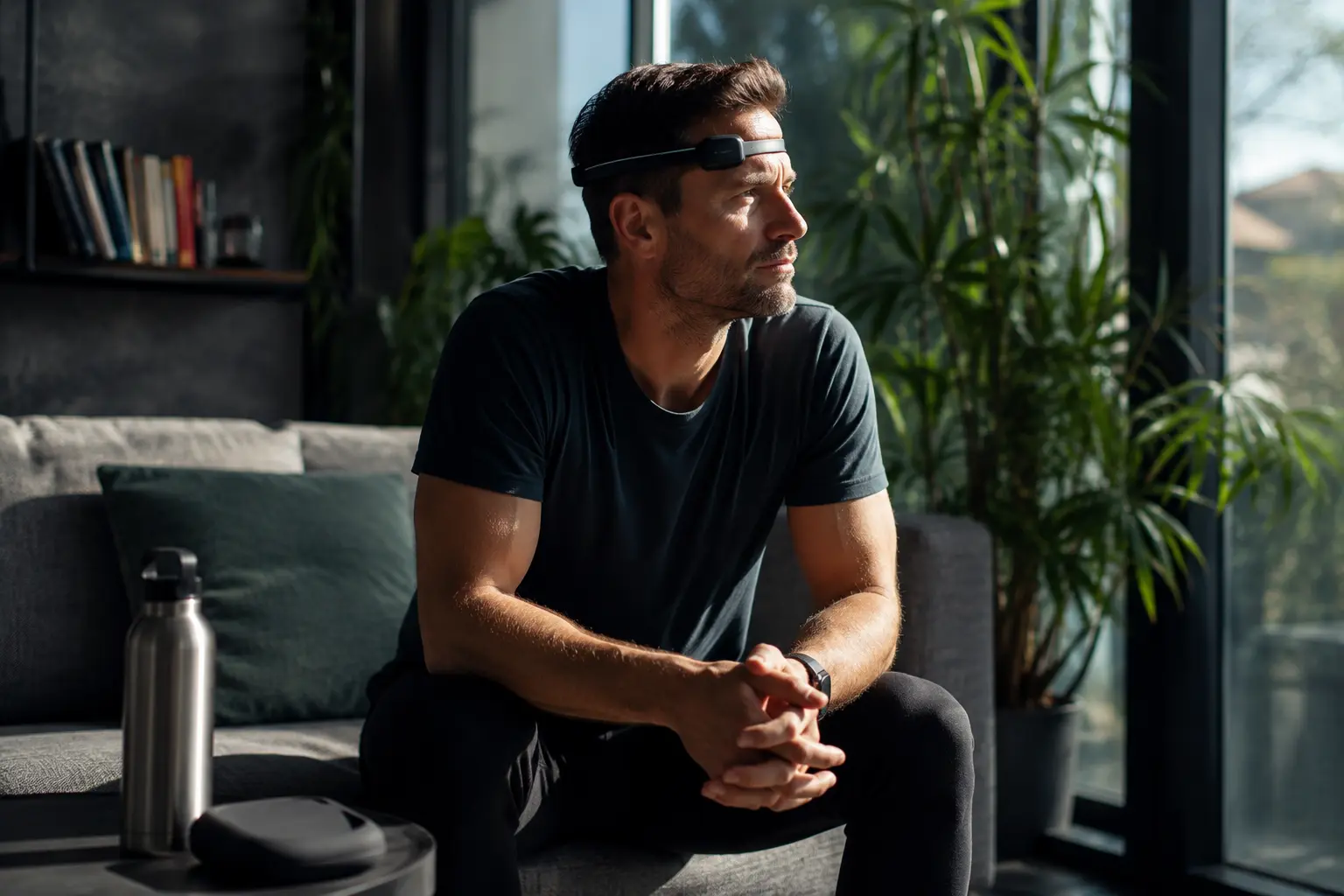
Your chest tightens, your mind races at 3 AM, and you feel like stress is running your life instead of the other way around, so you start wondering if biohacking stress recovery could actually be the answer you’ve been searching for.
Understanding stress biohacking
Biohacking stress recovery represents a systematic approach to understanding how your body responds to pressure and then using targeted interventions to optimize that response. Rather than accepting stress as an inevitable part of aging, biohackers examine the biological mechanisms at play. This involves looking at how your nervous system reacts to daily challenges, analyzing your sleep architecture, reviewing your dietary patterns, and even considering genetic predispositions to stress sensitivity. Think of it like becoming a researcher of your own body. A 68-year-old retired teacher might notice that her cortisol levels spike after morning coffee, or a 72-year-old former executive might discover that his sleep quality directly impacts his afternoon anxiety. By collecting this personal data through observation and sometimes through wearable devices or simple tracking methods, you gain insight into what actually triggers your stress response and what calms it down. This knowledge-based approach transforms stress management from guesswork into informed decision-making tailored specifically to your unique physiology.
Key techniques for biohacking stress recovery
Several evidence-based techniques have emerged as particularly effective for stress regulation in older adults. Meditation and mindfulness practices work by activating your parasympathetic nervous system, the part responsible for rest and recovery, which naturally counteracts the stress-driven sympathetic response. Controlled breathing exercises like box breathing or diaphragmatic breathing provide immediate nervous system regulation that you can practice anywhere. Adaptogenic herbs such as ashwagandha, rhodiola, and holy basil have been studied for their potential to help your body adapt to stress without causing drowsiness or dependency. Cold exposure, whether through brief cold showers or immersion, triggers a controlled stress response that actually builds resilience over time. Nature exposure, even a 20-minute walk in a park, has measurable effects on cortisol reduction and heart rate variability. For instance, a 70-year-old grandmother might find that her afternoon anxiety dissolves after a gentle walk through her neighborhood garden, while her husband discovers that five minutes of focused breathing before breakfast prevents his morning tension headaches. The key is understanding that these techniques work through different biological pathways, so combining several approaches often yields better results than relying on just one method.
Evaluating the effectiveness
Determining what actually works for you requires a thoughtful, gradual approach rather than overhauling your entire life overnight. Start by establishing a baseline of your current stress levels and how they manifest in your body. Some people experience stress as physical tension, others as racing thoughts, and still others as digestive issues or sleep disruption. Once you understand your personal stress signature, introduce one new technique at a time and observe carefully over two to three weeks before adding another. This methodical approach prevents overwhelming yourself and makes it clear which specific practices benefit you most. A common mistake is expecting immediate results or abandoning a technique after just a few days when the body often needs time to adapt. Another pitfall is trying everything at once, which makes it impossible to know what’s actually helping. Consider keeping a simple journal noting which practices you tried, how you felt before and after, and any changes in your sleep, energy, or mood. This becomes your personal evidence base. Some seniors find that their stress response improves noticeably within a week, while others require consistent practice for four to six weeks before meaningful changes emerge. The important thing is honest observation without judgment, treating yourself as a curious scientist rather than someone seeking quick fixes.
- Start with a daily mindfulness or meditation practice, beginning with just five minutes and gradually extending to ten or fifteen minutes as comfort increases.
- Incorporate light physical activities like yoga, walking, or tai chi, aiming for at least three sessions per week to establish a consistent rhythm.
- Introduce adaptogenic herbs or supplements gradually to observe any changes, starting with one at a time and waiting at least two weeks before adding another.
- Experiment with cold showers or exposure to nature for stress relief, noting how your body responds and adjusting frequency based on your comfort level.
- Track your progress and make adjustments based on your body’s feedback, using a simple journal or notes app to record patterns and improvements over time.
🔬 Science-backed benefits in 2 minuteschoose where to begin:
The role of nutrition in stress recovery
What you eat directly influences your body’s ability to manage stress, yet this connection is often overlooked. Your nervous system relies on specific nutrients to produce neurotransmitters like serotonin and GABA, which promote calm and emotional stability. A diet rich in leafy greens, colorful vegetables, whole grains, and healthy fats provides the building blocks your brain needs to maintain emotional resilience. Omega-3 fatty acids from fish, flaxseeds, or walnuts have demonstrated effects on mood regulation and inflammation reduction. B vitamins, particularly B6, B12, and folate, support nervous system function and stress hormone metabolism. Conversely, excessive caffeine can amplify anxiety and disrupt sleep, while refined sugars create blood sugar swings that intensify mood fluctuations and stress sensitivity. Consider a practical example: a 75-year-old man who switches from his usual afternoon coffee and pastry to herbal tea and a handful of almonds might notice his 3 PM anxiety disappears within days. Similarly, a woman who adds more magnesium-rich foods like pumpkin seeds and dark leafy greens often reports better sleep and less muscle tension. The relationship between nutrition and stress is bidirectional, too, since stress itself can trigger poor eating choices, creating a cycle that either worsens or improves depending on your dietary decisions.
Sleep and stress relief
Quality sleep serves as the foundation for stress recovery, yet many seniors struggle with sleep disruption, which paradoxically increases stress sensitivity. Your body uses sleep to consolidate memories, regulate hormones, repair tissues, and reset your nervous system for the next day. Without adequate sleep, your stress threshold lowers significantly, meaning minor annoyances feel overwhelming. Establishing a consistent sleep schedule, even on weekends, helps regulate your circadian rhythm and improves sleep quality. Your sleeping environment matters tremendously: a cool, dark, quiet room with comfortable bedding supports deeper sleep than a bright, warm, noisy space. Relaxation techniques before bed, such as progressive muscle relaxation, gentle stretching, or guided meditation, signal to your body that it’s time to transition from wakefulness to rest. Many seniors find that avoiding screens for at least an hour before bed, limiting evening fluids to prevent nighttime bathroom trips, and maintaining a light evening meal improve their sleep architecture. A 70-year-old woman who implements these changes might find that her sleep deepens from five interrupted hours to six or seven continuous hours, and her daytime stress levels drop noticeably. The relationship is clear: better sleep means better stress resilience, which means less anxiety, which means better sleep, creating a positive upward spiral.
Monitoring progress and seeking professional guidance
Tracking your stress levels and observing how different biohacking methods impact your overall well-being provides valuable feedback for refining your approach. Simple monitoring might involve rating your stress on a scale of one to ten each morning and evening, noting your sleep quality, energy levels, and mood. Over weeks and months, patterns emerge that reveal which practices genuinely help you and which don’t. Some people benefit from using wearable devices that track heart rate variability, sleep stages, or activity levels, providing objective data alongside subjective observations. However, it’s equally valid to simply pay attention to how you feel, how well you sleep, and how you respond to daily challenges. The critical point is recognizing when stress persists despite your efforts or when new symptoms develop. If you experience ongoing anxiety, depression, sleep problems that don’t improve, or physical symptoms like chest pain or persistent headaches, consulting a healthcare professional is essential. Certain biohacking practices or supplements can interact with medications you may be taking, and some health conditions require professional oversight. A healthcare provider can help you distinguish between normal stress and clinical anxiety, rule out underlying medical causes, and ensure your chosen methods complement rather than conflict with your existing health management. Think of professional guidance not as a sign of failure but as smart, responsible self-care that honors your health and safety.
Exploring biohacking stress recovery methods involves understanding techniques like meditation, nutrition, sleep optimization, and nature exposure as interconnected tools for managing stress. Seniors can benefit from these practices by gradually incorporating them into daily routines, carefully observing what works for their unique physiology, and seeking professional guidance when needed. The approach emphasizes personal experimentation, honest tracking, and patience, recognizing that stress recovery is a process rather than a quick fix.
Can biohacking stress recovery methods be harmful for seniors?
While most biohacking methods are safe, seniors should consult their healthcare provider before making significant changes to their routine. Some supplements or practices may interact with existing medications. For example, certain adaptogens can affect blood pressure or interact with blood thinners, and cold exposure may not be appropriate for those with heart conditions. Professional guidance ensures your chosen methods are safe and beneficial for your specific health situation.
How long does it take to notice the effects of biohacking stress recovery methods?
The timeline for experiencing benefits from biohacking stress recovery methods varies among individuals based on age, overall health, consistency, and which techniques you choose. Some people notice improvements in sleep or anxiety within days of starting meditation or adjusting their caffeine intake. Others require weeks of consistent practice before meaningful changes emerge. Breathing exercises often provide immediate relief, while dietary changes and sleep optimization typically show results over two to four weeks. The key is maintaining consistency and giving your body adequate time to adapt.
Others also read:
Disclaimer: This article is for informational purposes only and is not a substitute for professional medical advice. Always consult a healthcare professional for personal guidance.
This article has been prepared and reviewed by the GlobalHealthBeacon editorial team and is based on current medical research and published scientific literature available in 2026. It provides structured, evidence-based information to support informed health decisions.
